China Top Insulators Types for Electrical Applications Explained?
In the realm of electrical applications, insulators play a critical role. They ensure the safe and efficient transmission of electricity. Dr. Li Wei, an expert in the field, once remarked, "The choice of insulators defines the reliability of electrical systems." This underscores the importance of selecting suitable materials.
Insulators come in various types, each with specific properties and applications. From porcelain to composite materials, understanding these options is essential for engineers and manufacturers alike. The nuances in performance and durability can greatly impact system effectiveness and safety.
Exploring the top insulator types in China reveals a thriving market. Industry advancements are ongoing, yet challenges remain. As technologies evolve, the demand for innovative insulator solutions grows. Continuous research and development efforts must address these needs and enhance performance standards. Thus, awareness of insulator characteristics remains crucial for industry professionals.
Overview of Insulators in Electrical Applications in China
In the realm of electrical applications in China, insulators play a pivotal role. These components ensure safety and efficiency in power transmission. Key types include ceramic, glass, and polymer insulators. Each type has unique properties that dictate its use in various environments. According to reports from the China Electrical Equipment Industry Association, ceramic insulators dominate the market, accounting for over 50% of the total demand.
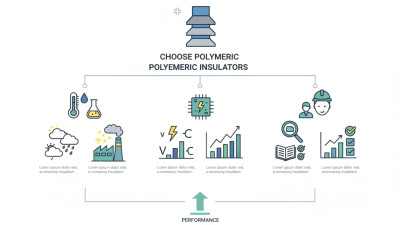
The electrical insulator market in China is projected to grow steadily. The demand for lightweight and high-performance materials is driving innovation. Polymer insulators have gained traction due to their superior resistance to environmental factors. They weigh less than traditional materials, easing installation challenges. However, concerns regarding their longevity and performance under extreme conditions remain unresolved.
Tips: When selecting insulators, consider factors like climate and application. Conduct thorough research to identify the best fit. Regular maintenance of insulators can prevent costly outages and ensure safety. Additionally, monitoring advancements in technology can provide insights into emerging materials that may enhance efficiency.
Types of Electrical Insulators Commonly Used in China
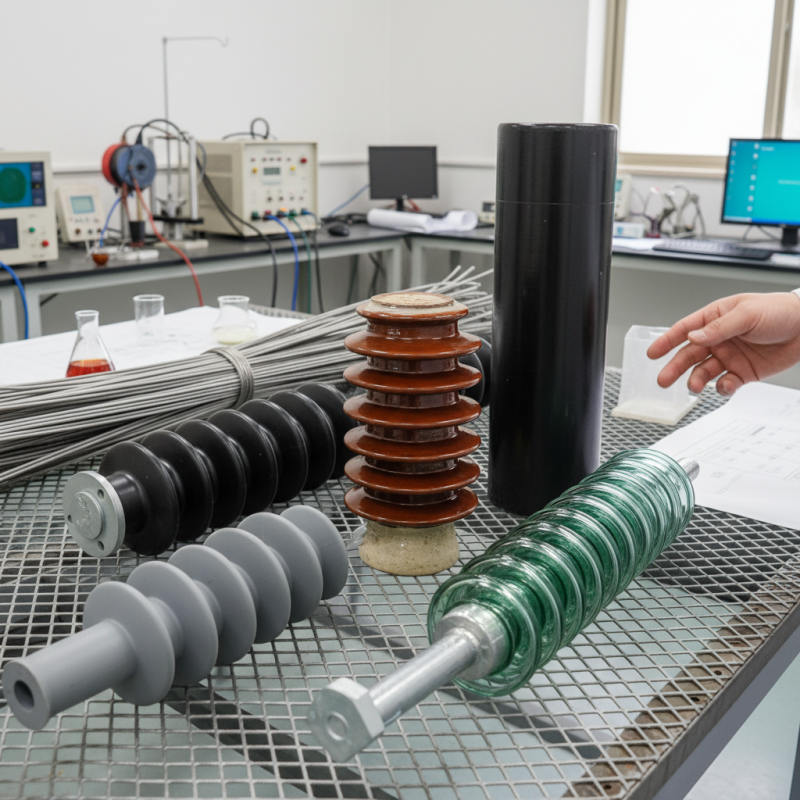
Electrical insulators play a critical role in ensuring the safety and efficiency of power systems in China. Commonly used types include ceramic, glass, and polymer insulators. According to a report from the China Electric Power Research Institute, ceramic insulators hold a significant market share due to their durability and high mechanical strength.
Ceramic insulators are widely preferred for high-voltage applications. They can withstand extreme weather conditions and resist electrical discharge. However, they are heavier and less flexible than their polymer counterparts. On the other hand, polymer insulators have gained popularity because of their lightweight and ease of installation. They exhibit excellent hydrophobic properties, which help reduce the risk of flashover during rainy conditions. As per recent data, the usage of polymer insulators has increased by around 15% over the last five years.
In many cases, challenges arise in selecting the right insulator material. For example, while ceramic insulators are strong, they can crack under mechanical stress. Polymer insulators, though lighter, may face issues with UV degradation over time. Therefore, choosing the appropriate type involves careful consideration of environmental factors and application requirements. The ongoing research in material science aims to address these shortcomings, pushing the industry toward better, more reliable insulator solutions.
Material Composition of China's Top Insulators
In China, the top insulators used for electrical applications come from various materials, each with unique properties.
Ceramic insulators are widely recognized for their durability
and resistance to weather conditions. They are crafted from clay and other natural materials, offering excellent electrical insulation.
However, their weight can be a drawback in certain installations, limiting flexibility.
Another common type is glass insulators. Made from silica and soda-lime, they provide high dielectric strength.
Their transparency allows easy visual inspections for flaws or damage. Yet, glass insulators can be brittle, raising concerns during installation
and transportation. This could lead to increased costs due to breakage.
Polymeric insulators are gaining popularity, made from composite materials like
silicone rubber. These materials are lightweight and flexible, making installation easier. However, they may suffer from lower thermal stability
compared to ceramics and glass. This could potentially hinder their long-term effectiveness. Manufacturers must continuously evaluate the trade-offs
between these materials to ensure optimal performance in various environments.
Applications and Benefits of Each Insulator Type
In the realm of electrical applications, selecting the right insulator is crucial. Different types of insulators serve specific functions and environments.
Porcelain insulators are robust and handle high voltage effectively. They are ideal for overhead lines, providing excellent weather resistance.
Fiberglass insulators, on the other hand, are lightweight and durable, perfect for locations with significant weight restrictions.
Glass insulators offer transparency to electrical observations. They're less affected by atmospheric conditions, which can be beneficial for maintenance checks. Each insulator type has unique benefits, suitable for various electrical infrastructure. Their use not only ensures safety but enhances operational efficiency.
Tips: Always consider the environmental conditions when choosing an insulator. Moisture can affect performance. Also, remember that the correct installation is vital. Improper handling can lead to unexpected failures. Regular inspections can prevent issues and extend the life of your insulators. It’s essential to stay updated on advancements in insulating materials and technologies for optimal performance.
Future Trends in China's Electrical Insulation Technology
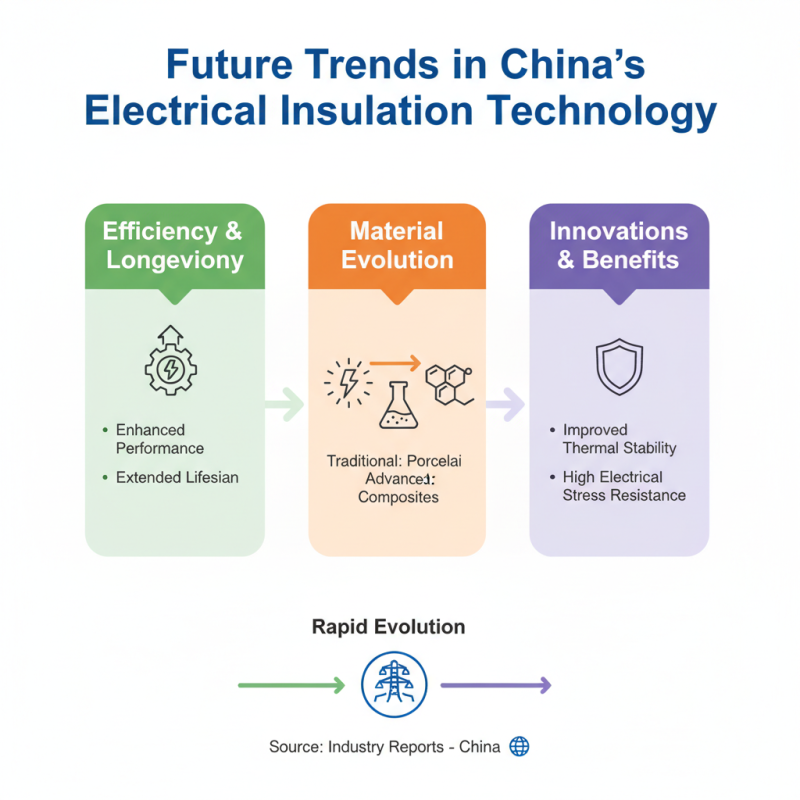
China's electrical insulation technology is evolving rapidly. Industry reports indicate a significant shift towards materials that enhance efficiency and longevity. Traditional materials like porcelain and glass are now supplemented by advanced polymer composites. These innovations provide improved thermal stability and resistance to electrical stress.
According to a recent study, the demand for high-performance insulators is projected to grow by 6.5% annually through 2028. This growth reflects a broader shift in China's power sector, driven by renewable energy sources. As solar and wind infrastructures expand, the need for reliable insulation technology becomes more critical. Yet, some manufacturers struggle to keep pace with these changes. Equity in technology adoption remains uneven across regions.
Research also highlights emerging technologies in nanomaterials. These materials promise to enhance electrical insulation properties. However, integrating them into mass production processes remains a challenge. Addressing these hurdles will require collaboration among manufacturers, researchers, and policymakers. As China's electrical infrastructure modernizes, staying abreast of these trends is vital for all stakeholders.


 Send Email
 Phone
Phone whatsapp
 Wechat
 Whatsapp