2026 Best Brace Bolt Types for Your Projects and Applications?
In the construction industry, selecting the right hardware is crucial. Brace bolts stand out for their strength and versatility. Experts emphasize their importance in structural integrity. Renowned engineer James Whitaker once noted, "The right brace bolt can make or break a project."
Different types of brace bolts cater to various applications. Understanding the unique properties of each type ensures reliability in your projects. Some projects may not benefit from common options. Thus, assessing your specific needs is vital.
It is essential to reflect on past choices as well. Some builders overlook the significance of brace bolts. This can lead to design flaws or compromises in safety. Investing time in learning about these fasteners enhances overall project quality. Today's exploration of brace bolt types will help inform better decisions for your future projects.
Types of Brace Bolts: An Overview of Key Variants
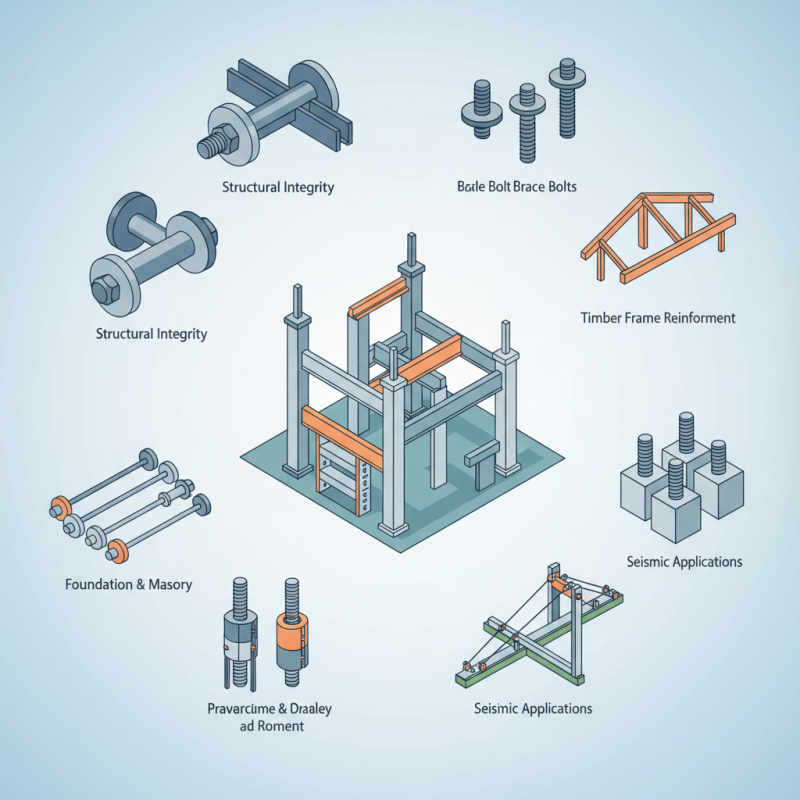
When it comes to construction and engineering projects, choosing the right brace bolt type is crucial. Brace bolts are essential for ensuring structural integrity and stability. The most common types include high-strength bolts, lag bolts, and eye bolts. Each type serves a different purpose depending on the application.
High-strength bolts are often made from hardened steel. They excel in tension and shear applications, which is critical in construction. According to industry statistics, around 40% of failures in structural assemblies result from the use of inappropriate bolts.
On the other hand, lag bolts, with their sharp edges, provide excellent grip in wood. They deliver strong holding power, particularly in framing. Eye bolts are specialized fasteners, ideal for lifting and rigging applications. Their loop allows for secure connections to ropes or chains.
Tips: When selecting brace bolts, consider load capacity carefully. Always consult structural engineering guidelines. Testing a sample in real conditions can prevent future issues. Every application has unique demands. Assessing the environment and material compatibility is key. Remember, a small oversight can lead to significant structural failures.
Material Considerations: Choosing the Right Metal for Brace Bolts
When selecting the right metal for brace bolts, it’s crucial to consider functionality and application requirements. Common materials include stainless steel, carbon steel, and even aluminum. Each option has unique qualities that influence strength and durability.
For instance, stainless steel offers excellent corrosion resistance, making it ideal for outdoor use. However, it may not be the strongest choice for heavy loads.
In contrast, carbon steel provides superior tensile strength, but it is prone to rusting. Aluminum bolts are lightweight and resistant to corrosion, yet they might not handle high-stress situations well. It's essential to reflect on the specific needs of your project before finalizing your material selection.
While each type of metal has its pros and cons, choosing the wrong one can lead to failure. Weight, environmental factors, and load requirements can complicate your decision. Understanding the specific conditions your brace bolts will face can significantly impact their performance. Keeping these factors in mind ensures your project’s success.
Applications of Brace Bolts in Construction and Engineering Projects
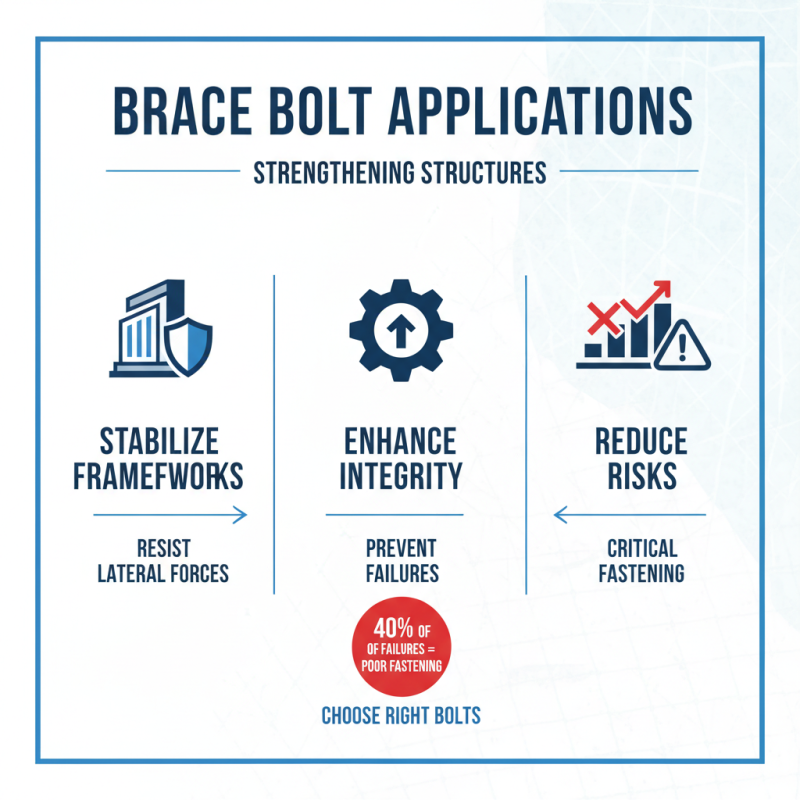
Brace bolts play a critical role in construction and engineering projects. Their primary function is to stabilize structural frameworks. They resist lateral forces and enhance the overall integrity of buildings. According to a recent industry report, nearly 40% of structural failures are attributed to inadequate fastening methods. This statistic highlights the importance of selecting the right type of brace bolt.
These bolts are widely used in various applications, from bridges to high-rise buildings. Each application requires specific bolt characteristics. For instance, projects in seismic zones often require high-strength steel bolts. In contrast, non-seismic applications may opt for standard bolts. Approximately 25% of construction professionals report using advanced materials for enhanced performance. This shows a shift towards innovation in fastening technologies.
However, challenges still exist. Many engineers face difficulties in selecting the appropriate bolt type for unique applications. Miscommunication between design teams and construction workers can lead to improper installations. Such errors can compromise structural integrity. Continuous education and updated resources are essential for mitigating these risks, ensuring reliable and effective use of brace bolts in critical projects.
Factors Influencing the Selection of Brace Bolts in Design
When selecting brace bolts for your projects, various factors come into play. One crucial aspect is the load requirements. Different applications demand different load capacities. For instance, structural supports require robust bolts, while lighter installations may not. Understanding the specific needs of your project helps in choosing the right bolts.
Material choice is another key factor. Common options include steel and stainless steel. Steel offers strength but may corrode over time. Stainless steel resists corrosion but can be more expensive. Meditate on the environmental conditions where your bolts will be installed. This can significantly influence your material selection.
Tips: Always consider the installation location. Harsh environments may necessitate superior resistance features. Checking for industry standards can guide your choices and ensure safety during construction. Remember, the right selection not only enhances stability but also longevity in your structures. Perform regular maintenance checks, as even the best bolts can experience wear over time.
Best Practices for Installation and Maintenance of Brace Bolts
When installing brace bolts, proper practices are essential for ensuring safety and durability. Begin by selecting the right type of bolt for your specific application. Different projects require different materials and strengths. Always consult technical specifications relevant to your project's scope. Misjudging this can lead to failures.
Before installation, inspect all components thoroughly. Look for signs of wear or damage. Preparation is key. Clean surfaces to ensure a secure fit. Use the manufacturer’s recommended torque settings during fastening. Applying the correct tension prevents loosening over time. Remember, over-tightening can lead to stripped threads.
After installation, conduct regular maintenance checks. Inspect the bolts for rust, corrosion, or any signs of fatigue. Document any noticed issues. Over time, environmental factors can affect these fasteners. It's easy to overlook these details, but neglect can result in costly repairs. Regular vigilance can enhance the lifespan of your project. Ensure that safety remains a priority when working with brace bolts.




 Send Email
 Phone
Phone whatsapp
 Wechat
 Whatsapp