How to Choose the Right Polymertic Insulator for Your Project?
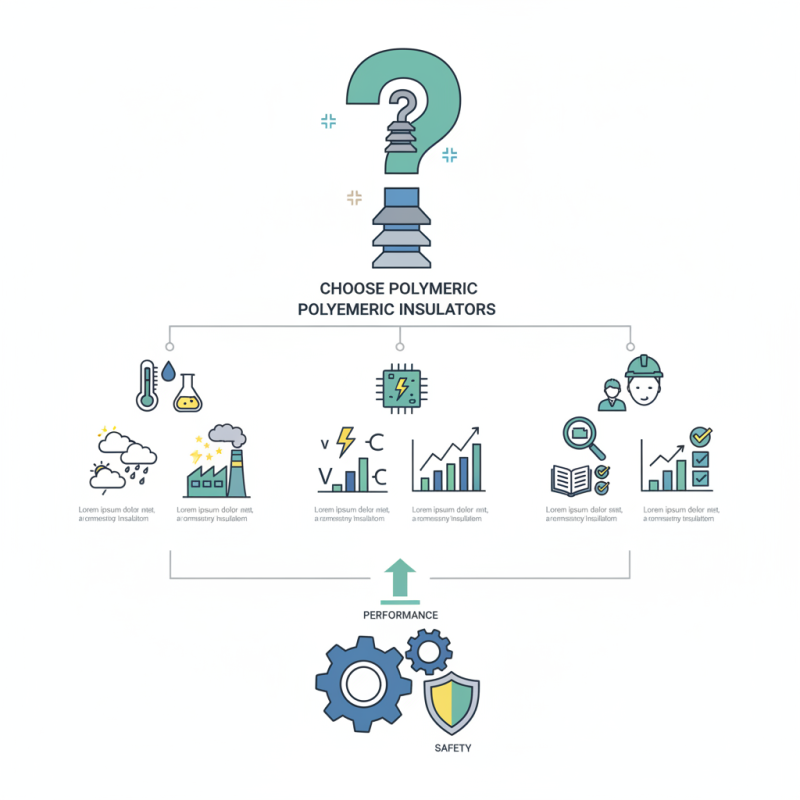
Choosing the right Polymertic Insulator for your project is crucial. This decision can significantly impact performance and safety. Polymertic Insulators are popular in various industries. They offer reliable electrical insulation and can withstand harsh environments.
When selecting a Polymertic Insulator, consider the specific requirements of your project. Environmental factors such as temperature, humidity, and exposure to chemicals play a vital role. You must assess the electrical requirements too. Not every insulator fits every project.
It can be overwhelming to navigate the options available. Many products make bold claims but lack real-world performance. Research is key to uncovering reliable options. Consult experts and review case studies. Real experiences often reveal insights that specifications cannot. A thoughtful approach will ensure your project benefits from the right Polymertic Insulator.
Understanding Polymetric Insulators and Their Applications
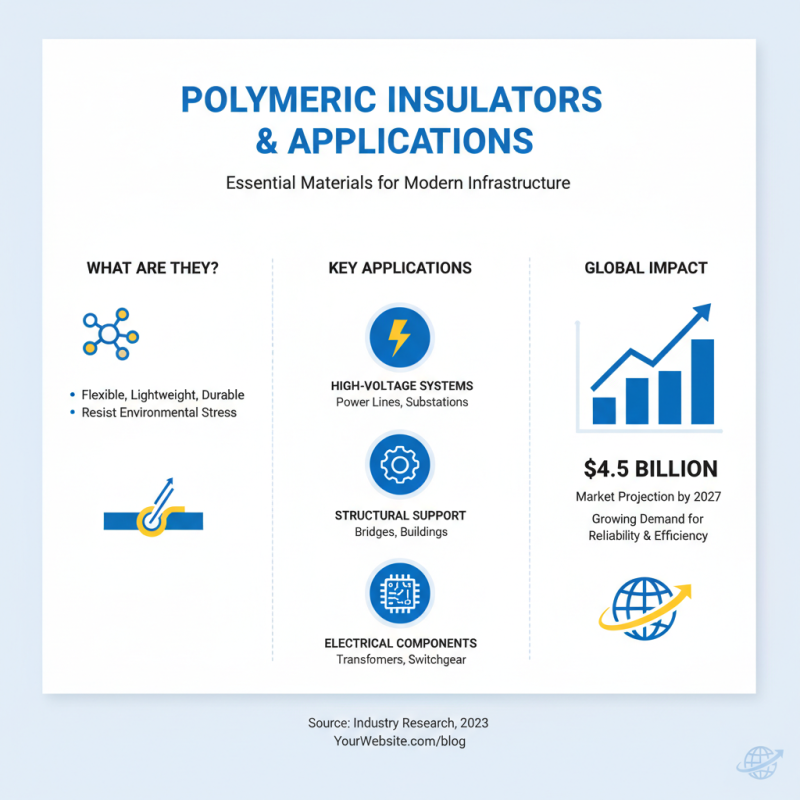
Polymetric insulators play a crucial role in various applications, from electrical components to structural support systems. These materials are designed for specific uses, such as insulation in high-voltage systems or protection against environmental stresses. Research indicates that the global market for polymer insulators is projected to reach $4.5 billion by 2027, highlighting their growing importance.
When selecting a polymetric insulator, consider the application's environmental conditions. Temperature fluctuations, humidity levels, and exposure to chemicals can significantly impact performance. For example, silicone-based insulators perform well in extreme temperatures, while polycarbonate may be suitable for general use.
**Tip:** Assess the mechanical properties of the insulator, such as tensile strength and impact resistance. These factors will influence the durability and longevity of the material.
Understanding the specific requirements of your project is essential. Not all polymer insulators are created equal. Some materials may excel in electrical resistance but lack physical durability. In contrast, those with high mechanical strength may not offer optimal electrical performance.
**Tip:** Consult with material experts before finalizing your choice. It’s important to weigh the pros and cons carefully. This reflective approach ensures that the selected insulator meets all functional criteria and can withstand the intended application challenges.
Evaluating the Key Properties of Polymetric Insulators
When selecting polymetric insulators for a project, understanding their key properties is vital. These insulators exhibit remarkable dielectric strength, typically ranging from 20 to 35 kV/mm. This property is crucial in preventing electrical breakdown. A higher dielectric strength indicates better performance in high-voltage applications. However, it might not be sufficient in all circumstances. Real-world conditions can challenge even the best materials, leading to premature failure.
Thermal stability is another critical factor. Many polymetric insulators can withstand temperatures from -50°C to 150°C. Some specialized formulations can endure even higher limits. However, prolonged exposure to extreme temperatures can lead to degradation. This raises concerns about reliability under fluctuating environmental conditions. Data suggests that about 30% of insulation failures can be traced back to thermal stress.
Another important property is moisture resistance. Most polymetric insulators are hydrophobic, reducing water absorption. But it's essential to test these materials under various humidity levels. In particular, high humidity can compromise insulating properties, leading to electrical failures. Some studies indicate moisture ingress can halve the lifespan of insulators. Thus, conducting thorough evaluations and selecting the right material for specific environmental conditions is imperative.
Identifying the Right Type of Polymetric Insulator for Your Needs
Choosing the right type of polymetric insulator can make a significant impact on your project. When identifying the best fit, consider factors like temperature resistance, electrical properties, and mechanical strength. Polymetric materials come in various forms, and each has unique characteristics. Some are designed for high voltage applications, while others excel in thermal insulation. Knowing your environment and application needs is crucial.
It helps to assess the specific requirements of your project. For instance, if your project involves high humidity or exposure to chemicals, choose an insulator that offers chemical resistance. Some polymetric insulators can degrade over time due to environmental factors, which can lead to failures. Evaluating the durability of materials ensures long-term reliability in your application.
Another factor to reflect on is compatibility. Different materials interact in diverse ways. Conducting tests can reveal potential complications between insulators and other components. The wrong choice may lead to inefficiencies or safety hazards. Engaging with industry experts can provide insights that enhance your decision-making process. This way, you're less likely to face unforeseen challenges down the line.
Polymetric Insulator Selection: Key Properties Comparison
This bar chart illustrates the key property ratings of various polymetric insulators, helping you to visually compare their effectiveness in thermal resistance, dielectric strength, mechanical strength, and chemical resistance. Choosing the right insulator involves understanding these critical properties to meet your specific project requirements.
Considerations for Environmental Factors in Insulator Selection
Selecting the right polymeric insulator involves careful consideration of environmental factors. Understanding these can significantly impact the performance and longevity of the insulator. Factors such as temperature extremes, humidity levels, and pollution should not be overlooked. For example, a study from the IEEE suggests that insulators in coastal areas face greater risks of corrosion due to salt and humidity. These conditions can reduce their lifespan by up to 25%.
Pollution is another critical element. Insulators exposed to acid rain or industrial pollution can accumulate conductive deposits, leading to premature failure. A report from the International Electrotechnical Commission states that polluted environments can increase insulation leakage currents, adversely affecting system reliability. It's vital to assess the local atmospheric conditions when choosing insulators for any project.
Material selection should align with environmental challenges. For instance, polymer materials often provide better resistance to UV radiation compared to traditional options. However, not all polymers are created equal, and some may degrade faster in harsh environments. Consulting the latest industry studies can help identify suitable materials. Engaging with experts ensures that the chosen insulator will perform reliably under specific environmental stresses.
Best Practices for Installing and Maintaining Polymetric Insulators
Installing polymetric insulators requires attention to detail. First, ensure the surface is clean and dry. Debris can affect adhesion. Use a suitable primer if necessary. This step enhances the bond between the insulator and its surface, ensuring durability.
During installation, avoid overstretching the materials. Overstretching can lead to premature failure. Apply consistent pressure while placing the insulator. This ensures a proper fit and avoids air pockets. Regular inspections after installation are crucial. Check for signs of wear or degradation. Early detection can prevent major issues later on.
Maintenance is key. Regularly clean the insulators to remove any contaminants. Accumulation of dirt can compromise their effectiveness. Keep an eye on environmental conditions, as temperature shifts can impact performance. A proactive approach minimizes risks and enhances longevity. Reflect on these practices to improve your installation methods consistently.
How to Choose the Right Polymertic Insulator for Your Project? - Best Practices for Installing and Maintaining Polymetric Insulators
| Criteria |
Description |
Best Practices |
| Material Type |
Consider whether to use thermoplastic or thermosetting polymers based on application |
Evaluate insulation properties and mechanical strength |
| Temperature Range |
Account for the operating temperature of your project |
Choose materials that remain stable within expected temperatures |
| Moisture Resistance |
Evaluate the environment to determine moisture levels |
Use insulators with high resistance to moisture absorption |
| Electrical Properties |
Determine the voltage levels and dielectric strength needed |
Select materials with suitable dielectric constant and strength |
| UV Resistance |
Assess exposure to sunlight and UV radiation |
Opt for UV-stabilized polymers for outdoor applications |
| Cost Efficiency |
Analyze budget constraints while ensuring quality |
Balance between initial costs and long-term performance |



 Send Email
 Phone
Phone whatsapp
 Wechat
 Whatsapp
