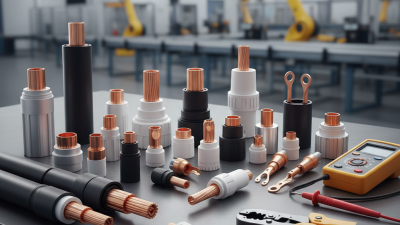
The demand for advanced materials in the electrical insulation sector is growing rapidly. Among these, Polymertic Insulators stand out for their unique properties. These insulators combine polymeric materials with enhanced thermal stability and electrical performance.
In 2026, the impact of Polymertic Insulator technology could reshape various industries. From renewable energy to telecommunications, these insulators offer solutions that may improve efficiency and safety. As innovations occur, we must reflect on their reliability and applicability. Balancing performance with environmental safety remains a challenge.
Despite the advancements, not all Polymertic Insulators may perform equally. Variation in material quality and manufacturing processes can lead to inconsistencies. To foster trust, a focus on rigorous testing and standards is necessary. Stakeholders should engage in continuous evaluation to improve these technologies and their applications.
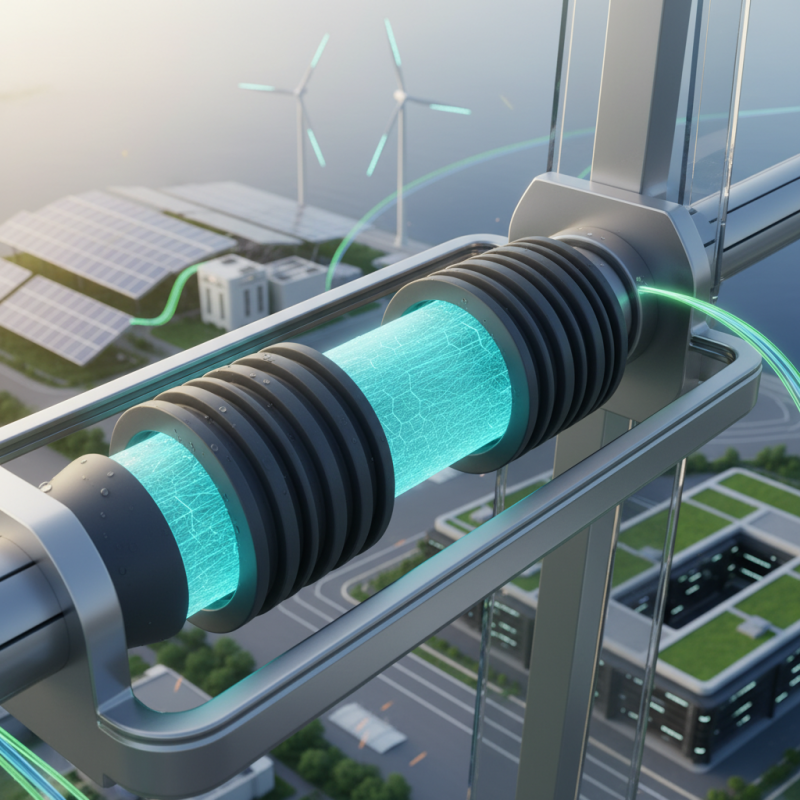
The world of polymetric insulator materials is undergoing transformative changes as we approach 2026. Manufacturers are focusing on developing materials that offer enhanced dielectric properties. This is crucial for high-performance electrical applications. The need for lightweight yet durable insulators is more significant than ever. New formulations are emerging, aiming to resist environmental stressors like UV radiation and moisture.
A key trend involves bio-based and recycled materials. These options are appealing as they reduce environmental impact. However, performance can sometimes suffer in extreme conditions. Manufacturers must balance sustainability with functional requirements. Ongoing research is essential to overcome these challenges.
Furthermore, the integration of smart technology is gaining traction. Polymetric insulators embedded with sensors promise real-time monitoring. This innovation addresses potential issues before they lead to failures. Nonetheless, it poses questions about reliability and security. The landscape is evolving, but careful considerations are necessary to ensure robust solutions that meet diverse industry needs.
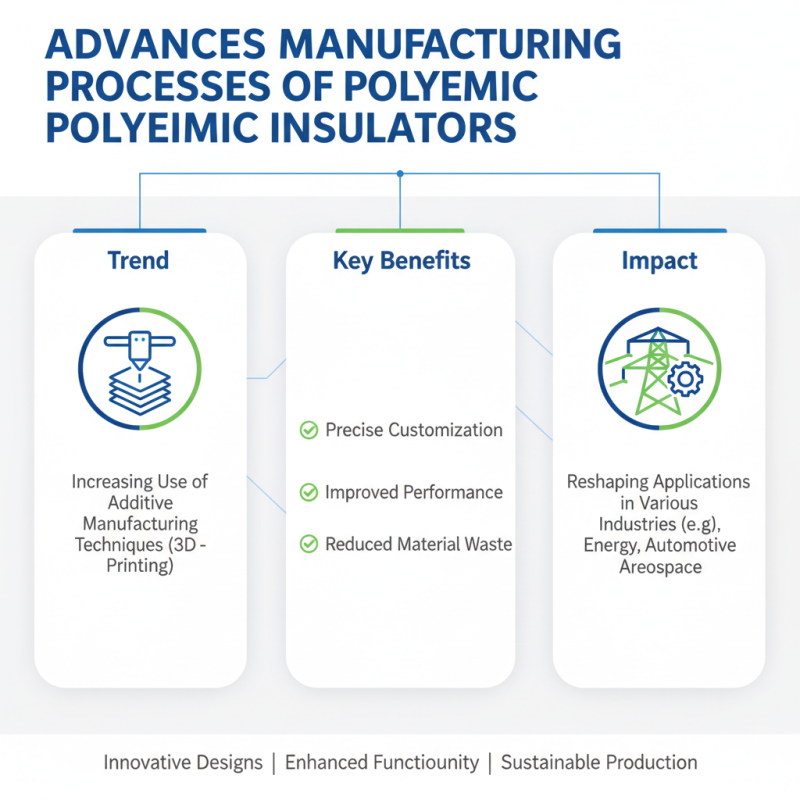
The advancements in manufacturing processes of polymertic insulators are reshaping their applications in various industries. One significant trend is the increasing use of additive manufacturing techniques. This method allows for precise customization, improving performance and reducing material waste. With 3D printing, manufacturers can create intricate designs that were impossible with traditional methods.
Another notable innovation is in composite materials. Integrating advanced polymers with fillers enhances the electrical and thermal properties of insulators. This blend improves durability and resistance to environmental stress. Moreover, the ongoing research into biodegradable options shows promise. It aligns with the push for sustainable materials in engineering.
Tips: Consider utilizing simulation software for design validation. This can prevent costly mistakes during production. Stay updated on industry standards and testing methods. It ensures your products meet necessary requirements. Regularly review the efficiency of your processes. Small improvements can lead to significant advancements over time.
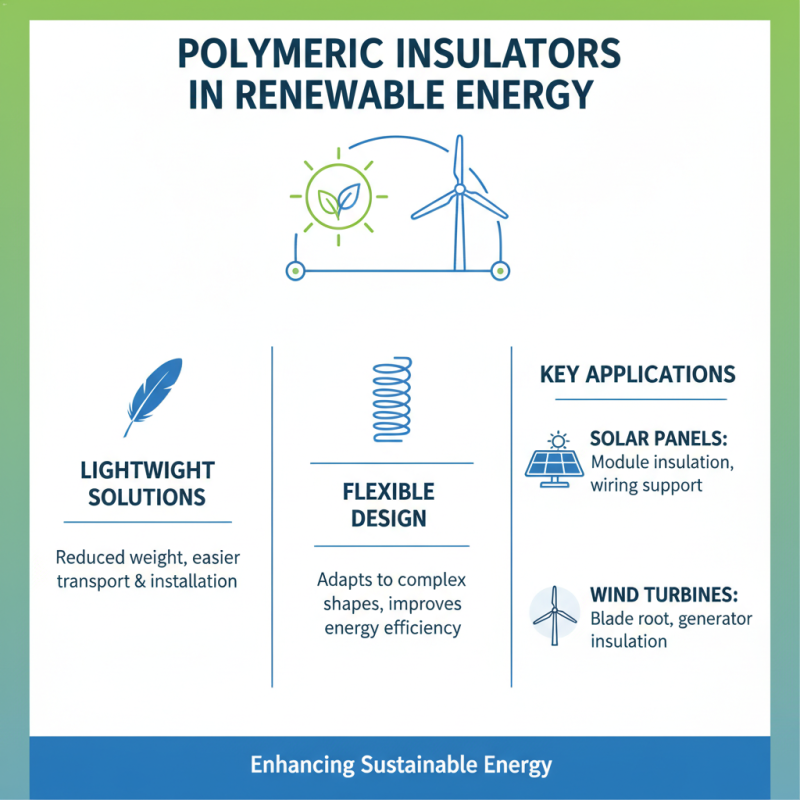
Polymertic insulators play a critical role in renewable energy systems. They offer lightweight solutions, making them ideal for various applications. These insulators are often used in solar panels and wind turbines. Their flexibility allows for innovative designs, enhancing energy efficiency.
One notable challenge is their durability under extreme conditions. High temperatures and UV exposure can degrade performance. This raises questions about long-term reliability. Engineers are exploring new formulations to improve resilience. However, balancing cost and performance remains a dilemma. Innovations are needed for better stability without increasing prices.
Additionally, the environmental impact of production can't be ignored. Sustainable materials are vital to achieving greener solutions. The industry needs to prioritize eco-friendly options. This shift is crucial for the future of renewable energy. The development of recyclability in polymertic insulators is a promising area for research. However, achieving these goals requires collaboration among scientists, engineers, and environmentalists.
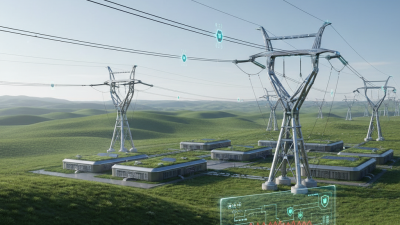
Polymertic insulators are revolutionizing electrical infrastructure. Their unique properties enhance reliability in power distribution systems. According to a report by Allied Market Research, the global market for polymertic insulators is projected to reach $3.6 billion by 2027, growing at a CAGR of 6.9%. This growth reflects the industry's shift towards more durable and lightweight materials.
These insulators are resistant to weather elements. They minimize the risk of failure during storms and other severe conditions. A study published in the IEEE Transactions shows that polymertic insulators can reduce electrical outages by up to 30% compared to traditional ceramic insulators. Their ability to withstand UV radiation and pollution also contributes to longer service life.
Tip: Regular maintenance and inspection can extend the life of polymertic insulators. Ensure that they are clean and free from debris. This simple step can help maintain their performance and reliability.
While the advantages are clear, challenges remain. Not all electrical utilities have adopted these innovative materials. Knowledge gaps exist within the industry. Some professionals may lack experience with polymertic technology, requiring targeted training programs. A strategic investment in education can bridge this gap and maximize the benefits of these advanced insulators.
This chart illustrates the top trends in polymertic insulator technology and their impact on electrical infrastructure reliability based on their importance percentage. The data highlights increased reliability and cost-effectiveness as the leading factors influencing the adoption of these advanced materials.
Polymertic insulators are evolving rapidly, driven by advancements in technology and sustainability. The focus on performance standards is crucial in meeting the increasing demands of various applications. A recent report from the International Electrotechnical Commission (IEC) highlights that polymertic insulators can outperform traditional materials, showing superior electrical properties and resilience.
Innovations in design often emphasize lightweight materials. Reducing weight enhances transport efficiency. A study indicates that using advanced composites can cut the weight of insulators by up to 30%. This shift not only benefits installation but also extends durability under harsh environmental conditions.
Tip: When exploring these innovations, consider the lifecycle assessments of materials. It is essential to evaluate not just performance but also long-term environmental impact.
As we anticipate the future of polymertic insulators, attention to performance standards will be critical. Standards define safety, reliability, and efficiency. Industry experts believe that compliance will drive innovation. However, adhering to new regulations can be challenging, necessitating ongoing education and adaptation within the industry.
Tip: Engage in continuous learning. Staying updated with standards can foster better design and application practices.
| Trend | Description | Application Areas | Performance Standards |
|---|---|---|---|
| Bio-Based Polymers | Increasing use of biodegradable polymers for environmental sustainability. | Electric utilities, renewable energy systems. | ASTM D6400 for compostability. |
| Nano-Enhanced Insulators | Utilization of nanomaterials to improve thermal and electrical properties. | High voltage applications, telecommunications. | IEC 60243 for electrical strength. |
| Smart Insulator Systems | Integration of IoT technology for real-time monitoring and diagnostics. | Smart grids, industrial applications. | ISO 55000 for asset management. |
| Lightweight Composite Materials | Development of lighter materials that maintain high strength and durability. | Aerospace, automotive, and electric transportation. | ASTM D3039 for tensile properties. |
| Thermal Management Solutions | Enhanced thermal conductivity materials for better heat dissipation. | Electronics cooling, energy storage systems. | IEC 60754 for decomposition of gases. |