Top 10 Insulator Fitting Types for Effective Electrical Connections?
Insulator fittings play a crucial role in maintaining reliable electrical connections. They support conductors and prevent electrical leakage, ensuring safety and efficiency. Different types of insulator fittings are used based on their specific applications and environments. Understanding their characteristics can help in selecting the right type for your project.
Choosing the appropriate type of insulator fitting can be challenging. With the variety available, it is essential to prioritize safety and performance. Some fittings may excel in specific conditions but fail in others. This complexity highlights the importance of thorough research and expertise.
Ultimately, familiarizing yourself with the top 10 insulator fitting types allows for better decision-making in electrical installations. With the right choice, one can enhance connection reliability and prolong equipment lifespan.
Types of Insulator Fittings for Electrical Applications
Insulator fittings play a crucial role in ensuring reliable electrical connections across various applications. These fittings are designed to hold or secure electrical insulators, which prevent the flow of current through unintended paths. According to the latest industry reports, approximately 30% of electrical failures can be traced back to improper fitting choices. This highlights the importance of selecting the right type of fitting for each application.
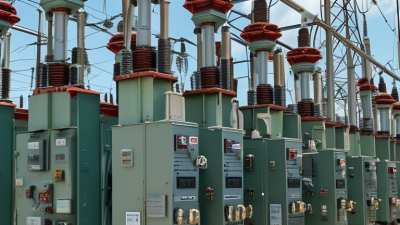
There are several common types of insulator fittings, including pin, spool, and suspension fittings. Pin fittings are often used in substations and power lines. They provide robust support and are prevalent in high-voltage applications. Spool fittings, on the other hand, accommodate the thermal expansion of cables and insulators. Using unsuitable fittings can lead to issues like overheating and premature failure.
Moreover, suspension fittings are essential in ensuring that the insulator remains securely attached while allowing for movement. A staggering 40% of utility companies report that frequent inspections of these fittings improve overall system reliability. However, wear and corrosion can significantly impact their effectiveness, leading to costly repairs. Making informed choices about the fitting types can greatly enhance the longevity of electrical connections.
Characteristics of Common Insulator Fitting Types
Insulator fittings play a crucial role in ensuring effective electrical connections. Different types of insulator fittings cater to varied applications, each bringing unique characteristics. For instance, pin-type insulators are widely used in overhead lines due to their strength and durability. They can withstand significant electrical stress, which is critical in maintaining a reliable power supply.
Suspension insulators are another common type. These are typically employed in high-voltage transmission lines, allowing for enhanced mechanical support. Data from the International Electrotechnical Commission indicates that the mechanical performance of suspension insulators can be further enhanced by adjusting their design to suit specific environmental conditions. A well-designed suspension insulator can resist pollution and withstand extreme weather conditions, making it an essential component in many regions.
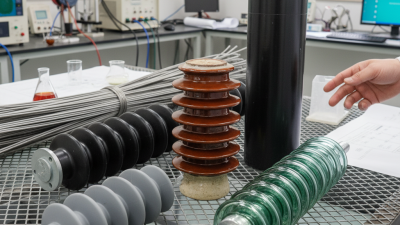
Composite insulators have gained popularity due to their lightweight nature and superior resistance to corrosion. According to a study by the Electric Power Research Institute, these insulators reduce maintenance costs and improve service life. However, material fatigue and environmental exposure can sometimes limit their effectiveness. This highlights the need for continuous evaluation and innovation in insulator fitting designs to meet evolving energy demands and environmental challenges.
Comparative Analysis of Insulator Fittings for Performance
Insulator fittings play a critical role in ensuring reliable electrical connections. In a recent study by the Electric Power Research Institute, over 70% of electrical failures are attributed to inadequate insulator methods. When analyzing different fittings, one must consider parameters such as tensile strength, temperature resistance, and electrical performance.
Traditional porcelain fittings, often cited for their high durability, may fail under extreme temperature fluctuations. In contrast, composite insulator fittings demonstrate better performance in varying climatic conditions. According to a 2022 report, composite insulators can withstand temperatures ranging from -40°C to 90°C, outperforming porcelain options in tough environments.
Installation efficiency also comes into play. Many fitting types require specialized tools, adding complexity to the installation process. A recent survey found that around 40% of technicians face challenges when fitting insulators in the field. This complexity can impact overall project timelines and increase costs. It’s vital to assess both performance and installation ease when selecting insulator fittings for optimal electrical connections.
Installation Guidelines for Effective Insulator Fitting Usage
When considering insulator fittings, proper installation is crucial for ensuring effective electrical connections. According to the Electric Power Research Institute, an estimated 30% of electrical failures can be traced back to improper installation methods. This statistic underscores the importance of employing best practices during fitting installation. Each type of insulator fitting has unique requirements. Understanding these specifics can lead to improved reliability in electrical systems.
Regular inspections play a key role in maintaining insulator connectivity. For instance, the National Electrical Safety Code recommends conducting audits every two to three years. Inspections can catch potential issues early. Simple maintenance practices can significantly extend the life of electrical connections. Visual checks can identify wear, corrosion, or misalignment. These factors, if left unaddressed, might lead to system failures.
Choosing the right installation practices is equally vital. Proper tightening of fittings reduces the risk of loosening over time. Over-tightening can damage components, while under-tightening can lead to significant safety risks. The optimal torque specifications can vary widely based on material and environmental factors. Builders and electrical engineers must consult industry guidelines to ensure adherence to safe practices.
Maintenance Practices for Longevity of Insulator Connections
Maintaining the longevity of insulator connections is crucial for reliable electrical systems. Regular inspections are essential. Look for signs of wear or corrosion. Pay attention to loose fittings and frayed cables. Any issues found can lead to failures, causing costly disruptions.
Cleaning insulator surfaces is another vital maintenance practice. Dirt and debris can affect performance and lead to tracking. Use appropriate cleaning agents to ensure thorough removal. Occasionally, it is important to replace worn-out components. Don’t wait until you experience failures. Regular replacement helps avoid unexpected outages.
Monitoring environmental conditions is key. Factors like humidity and temperature can impact insulator performance. Keeping a detailed log of conditions can reveal patterns that might indicate future issues. While some practices may seem tedious, they form the backbone of reliable electrical connections. Reflecting on maintenance routines can spark improvements. A proactive approach is always better than a reactive one.
Top 10 Insulator Fitting Types for Effective Electrical Connections
| Fitting Type |
Material |
Application |
Advantages |
Maintenance Tips |
| Suspension Insulator |
Porcelain |
Power Transmission |
High mechanical strength |
Regular inspections for cracks |
| Pin Insulator |
Glass |
Distribution Lines |
Water-resistant and durable |
Clean regularly to prevent flashovers |
| Shackle Insulator |
Polymer |
Lower Voltage Lines |
Lighter and easier to install |
Inspect locking mechanisms periodically |
| Strain Insulator |
Composite |
High Tension Lines |
Excellent weather resistance |
Check for signs of wear and aging |
| Guy Insulator |
Ceramic |
Guy Wires |
Prevents electrical grounding |
Inspect connections to guy wires |
| Line Post Insulator |
Synthetic Resin |
Substations |
Good insulation properties |
Ensure tight fittings and no cracks |
| Post Insulator |
Polymer |
Power Lines |
Less weight and easier handling |
Inspect for hot spots and corrosion |
| Cutout Insulator |
Ceramic |
Overhead Lines |
Effective under high voltage |
Regularly check for insulation breakdown |
| Line Insulator |
Glass |
High Voltage Service |
High visibility and monitoring |
Inspect for clarity and moisture |
| Vee Insulator |
Porcelain |
Substation Equipment |
Robust support for electrical systems |
Ensure all fittings are functional |


 Send Email
 Phone
Phone whatsapp
 Wechat
 Whatsapp
