10 Essential Tips for Choosing a Substation Transformer
Choosing the right Substation Transformer is crucial for utility operations. It impacts energy efficiency and system reliability. A well-selected transformer can minimize energy losses and enhance performance.
When faced with various options, engineers often overlook critical factors. They may prioritize cost over quality or fail to consider load requirements. Such decisions can lead to long-term issues, including operational inefficiencies.
Understanding the specifications and requirements is essential. Factors like voltage levels and capacity must not be underestimated. Careful evaluation of the transformer’s construction and maintenance needs also plays a significant role. A poorly chosen transformer can result in unexpected failures and costly repairs. Knowledge and experience are vital in making this choice.
Understanding the Role of Substation Transformers in Power Distribution
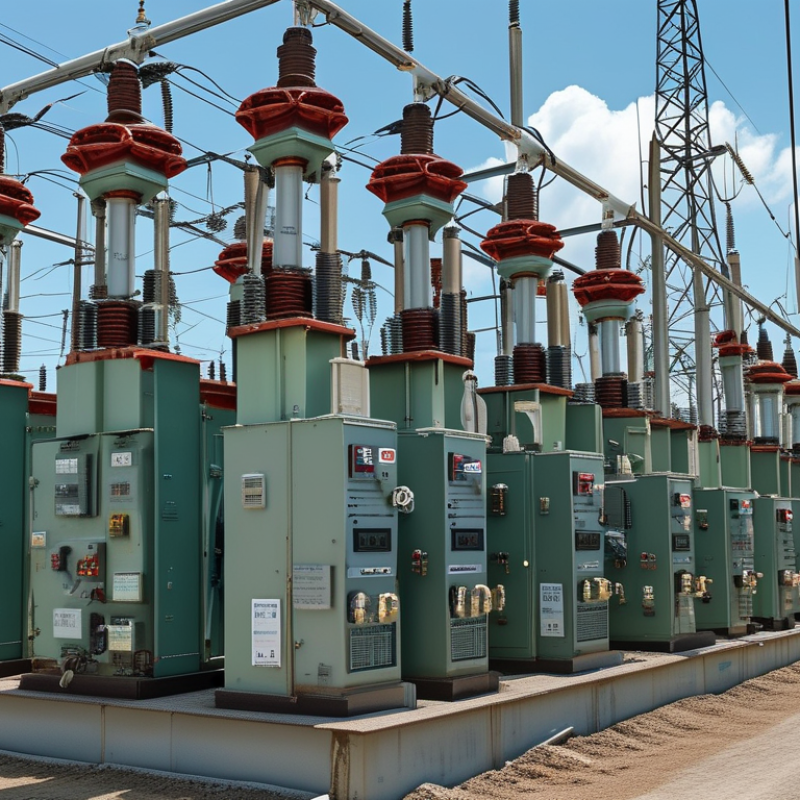
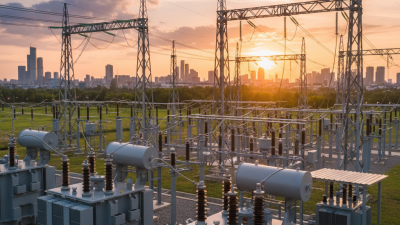
Substation transformers play a crucial role in power distribution. They step down high voltage electricity from transmission lines to a usable level for local distribution. This process ensures that residential and commercial areas receive the necessary power efficiently and safely. Without these transformers, the risk of power failures would increase across the grid.
When selecting a substation transformer, consider its capacity and efficiency. The right transformer minimizes energy loss during distribution. However, many overlook the importance of maintenance and monitoring. Regular checks help prevent unexpected failures and optimize performance. Additionally, ensuring that transformers meet local codes is vital. Ignoring these regulations can lead to safety hazards.
Materials and design choices also impact the transformer's reliability. For example, using high-quality insulation significantly enhances longevity. Yet, some providers may cut costs, compromising performance. While chasing the best deal, remember that a transformer’s quality directly affects its operation. Being mindful of these factors helps create a more resilient power distribution system in the long run.
Key Specifications to Consider for Substation Transformer Selection
Choosing the right substation transformer is critical for reliable power distribution. Various key specifications play a significant role in this decision. Consider factors like voltage rating, power capacity, and cooling methods. According to industry reports, improper selection can lead to up to 20% operational inefficiencies.
Cooling methods vary widely. Oil-immersed transformers offer excellent thermal regulation. However, dry-type transformers are gaining traction due to their safety and lower maintenance needs. Evaluate your site conditions carefully. Make sure to match the cooling type with your environment.
Pay attention to voltage rating. The National Electric Manufacturers Association (NEMA) suggests using transformers rated higher than the maximum expected load. This helps prevent overload. Another essential specification is efficiency. The global average efficiency for transformers is about 98%. Selecting one with higher efficiency can reduce energy losses significantly. Always consult with professionals to cross-check your specifications.
10 Essential Tips for Choosing a Substation Transformer
Evaluating Load Requirements and Their Impact on Transformer Sizing
When evaluating load requirements for substation transformers, accuracy is crucial. Understanding how different load types affect transformer sizing ensures reliability in operations. Reports indicate that up to 30% of urban substations experience overloads due to miscalculated load demands. This mismanagement often leads to inefficiencies and potential equipment failures.
Load requirements can vary significantly. Continuous loads often dictate the transformer size more than intermittent loads do. The IEEE 55 standard states that a transformer must accommodate at least 125% of the continuous load to ensure longevity and performance. However, this can result in oversized equipment, leading to increased capital costs. Planning for future load growth is essential, yet it can be difficult to predict accurately.
Dynamic loads can complicate sizing even further. A report from the International Energy Agency found that approximately 20% of electrical loads fluctuate in high-demand areas. Accurately analyzing these patterns is key to avoiding significant overestimations. If load forecasting is inaccurate, it can result in excess capacity that ultimately wastes energy. Proper analysis can ensure that the selected transformer not only meets today’s demands but also anticipates future requirements effectively.
Exploring Efficiency Ratings: Importance of Losses in Transformer Choice
Choosing a substation transformer requires careful consideration of efficiency ratings. Efficiency directly impacts operational costs. A study from the Electric Power Research Institute (EPRI) shows that energy losses account for up to 2.5% of total electricity generation. This highlights the significance of selecting a transformer with low losses.
Transformers typically experience two types of losses: no-load losses and load losses. No-load losses occur even when the transformer is not supplying power, primarily from core losses. Load losses happen when the transformer is under load, often due to resistance in the windings. Research indicates that improving transformer efficiency by just 1% can result in savings of thousands of dollars annually in a medium-sized utility.
Moreover, utilities should consider the lifecycle cost of transformers. While a more efficient transformer may have a higher initial price, the long-term savings can be substantial. The International Energy Agency (IEA) reports that investing in higher-efficiency transformers can cut operational costs by 30% over their lifetime. It’s important to weigh these factors carefully. Adopting high-efficiency models could ultimately help in reducing emissions too, an aspect not to be overlooked.
10 Essential Tips for Choosing a Substation Transformer - Exploring Efficiency Ratings: Importance of Losses in Transformer Choice
| Transformer Type |
Efficiency Rating (%) |
No-Load Loss (W) |
Load Loss (W) |
Weight (kg) |
| Oil-Immersed Transformer |
98.5 |
250 |
400 |
1200 |
| Dry-Type Transformer |
98.0 |
300 |
350 |
800 |
| Cast Resin Transformer |
97.5 |
350 |
300 |
750 |
| Three-Phase Transformer |
98.8 |
200 |
450 |
1500 |
| Single-Phase Transformer |
97.0 |
400 |
300 |
600 |
Assessing Environmental and Site Conditions for Transformer Performance
Choosing the right substation transformer involves careful consideration of environmental and site conditions. Location plays a critical role in the transformer's performance and longevity. For instance, areas with high humidity or frequent rain may require transformers with better insulation. If a transformer is placed near water bodies, it should have features that resist moisture to prevent failures.
The soil type at the installation site can impact the transformer's foundation and heat dissipation capabilities. Rocky or unstable soil may necessitate additional engineering solutions. Nearby vegetation and wildlife also factor into the assessment. Trees may obstruct airflow, while animals can cause damage. It's essential to take these elements into account to avoid future complications.
Weather extremes can pose significant risks. Transformers in regions prone to floods might need elevated platforms. Regular inspections and maintenance can help identify issues early. Reflecting on the specific environmental factors can lead to more informed decisions. It's crucial to ask questions about the site's characteristics and potential challenges.





 Send Email
 Phone
Phone whatsapp
 Wechat
 Whatsapp
