
 Send Email
 Phone
Phone whatsapp
 Wechat
 Whatsapp

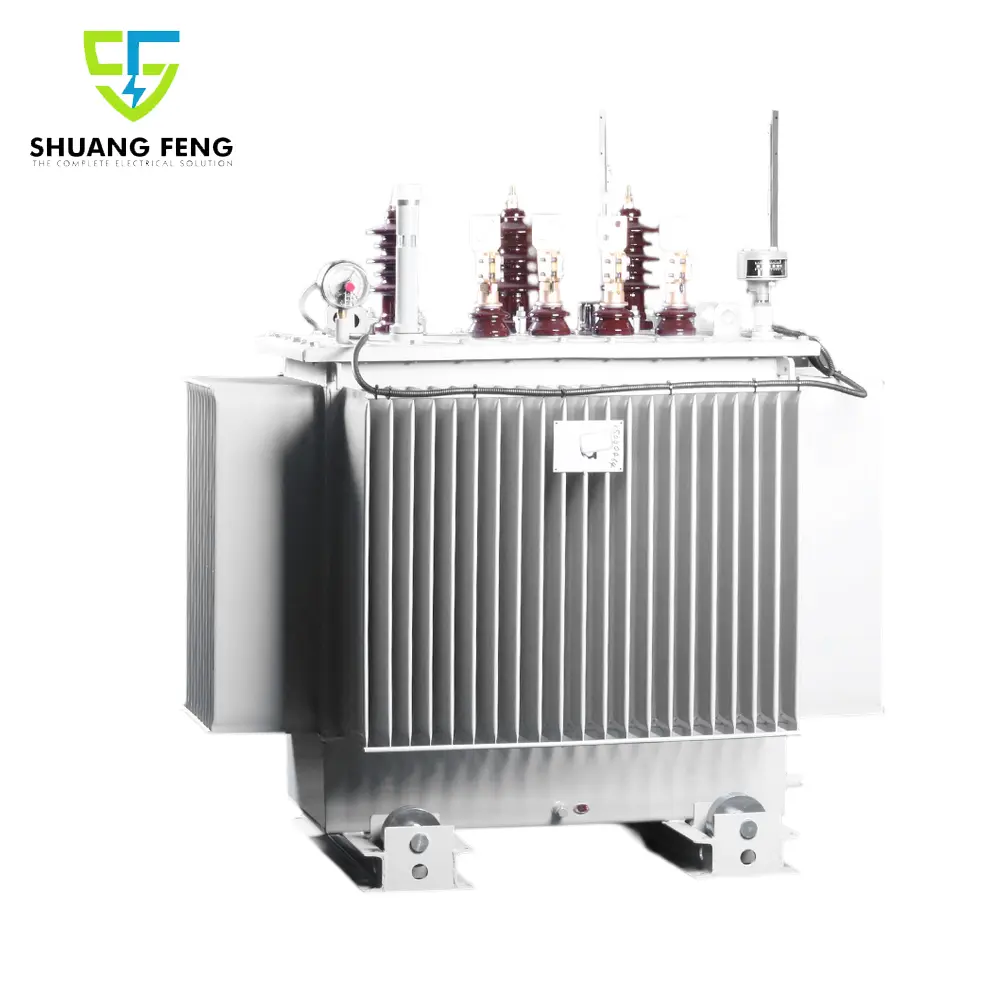
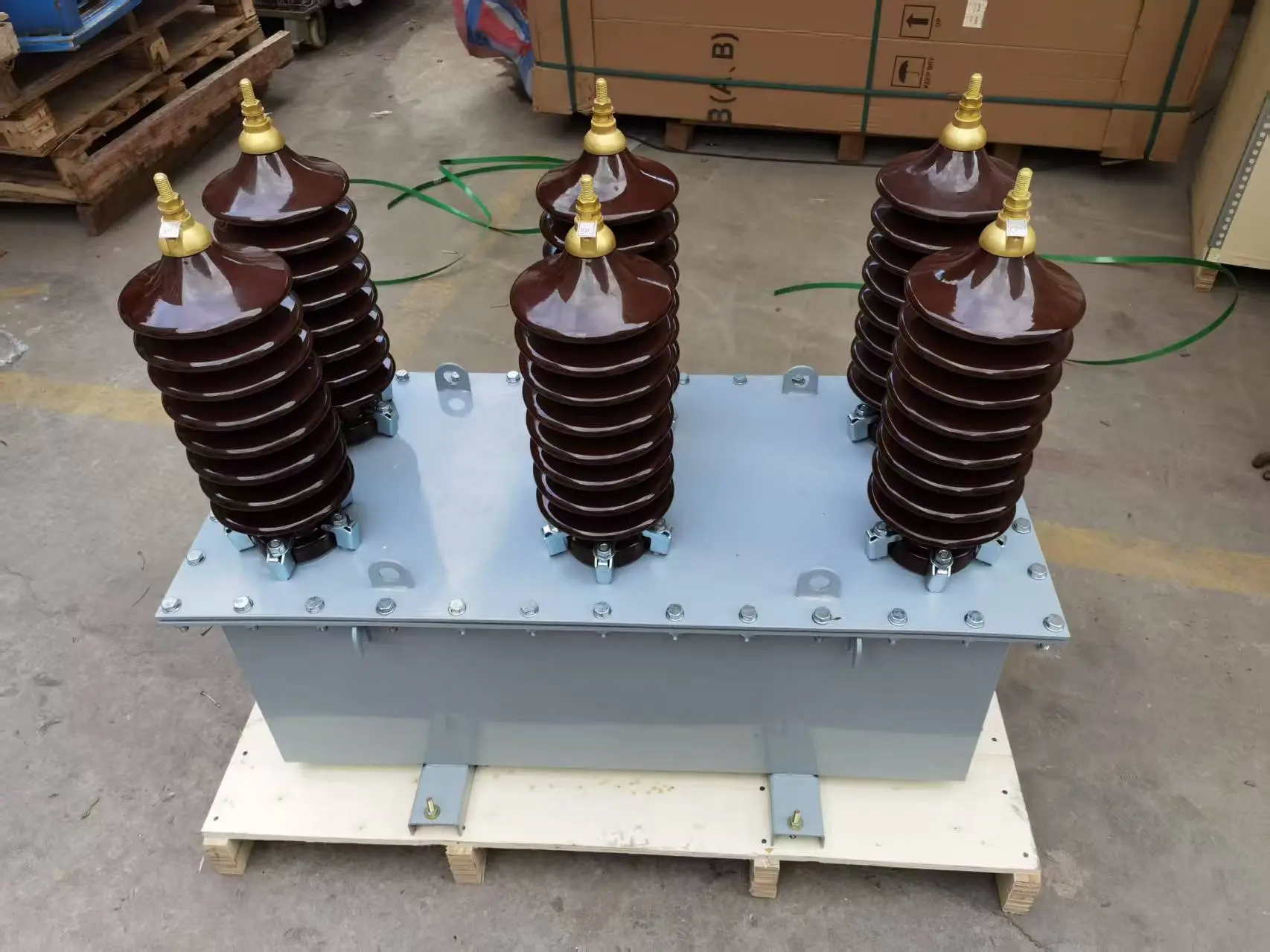


How often does the insulating oil inside an oil-immersed transformer need to be replaced?
Transformers play a crucial role in the power system. To ensure their optimal performance, various components need to work together, and insulating oil is particularly important among them. It is used for both insulation and heat dissipation. However, over time, the quality of this oil may deteriorate, which could lead to faults and safety hazards. Therefore, it is very important to understand the testing and replacement cycle of transformer insulating oil.
Insulating oil not only prevents electrical breakdown between conductive components, but also dissipates the heat generated during operation. The oil absorbs heat from the windings and cores of the transformer and transfers it to the radiator or cooling system. Moreover, the oil can prevent the intrusion of moisture and contaminants, as these substances may damage the integrity of the transformer.
Regular testing of the insulation oil in transformers is of vital importance for assessing their condition and performance. Technicians can conduct various tests to evaluate the dielectric strength, moisture content, acidity, and dissolved gas analysis (DGA) of the oil. The dielectric strength indicates the oil's ability to withstand electrical stress, while moisture content may lead to insulation failure. The acidity level can indicate the presence of degradation products, and DGA helps to detect potential faults within the transformer.
Typically, insulating oil should be tested at least once every three years, although more frequent testing may be warranted based on the transformer's operating conditions, age, and previous test results. For instance, transformers operating in harsh environments or those that have experienced faults may require annual testing to ensure the oil remains effective.
The question of how often insulating oil needs to be replaced is not straightforward, as it depends on several factors, including the results of oil testing, the age of the transformer, and the operating conditions. Generally, insulating oil does not need to be replaced frequently if it is well-maintained and tested regularly. However, if testing reveals significant degradation, such as low dielectric strength or high moisture content, it may be necessary to replace the oil.
In many cases, if the purchasers can regularly test and maintain the oil, the transformer can operate continuously for 20 to 30 years without the need for a complete oil replacement. However, if the oil shows severe contamination or deterioration signs, it may be necessary to replace it earlier. Additionally, if the transformer stops operating due to maintenance or upgrade, replacing the insulating oil at this time is also a favorable opportunity to ensure its optimal performance.