
 Send Email
 Phone
Phone whatsapp
 Wechat
 Whatsapp

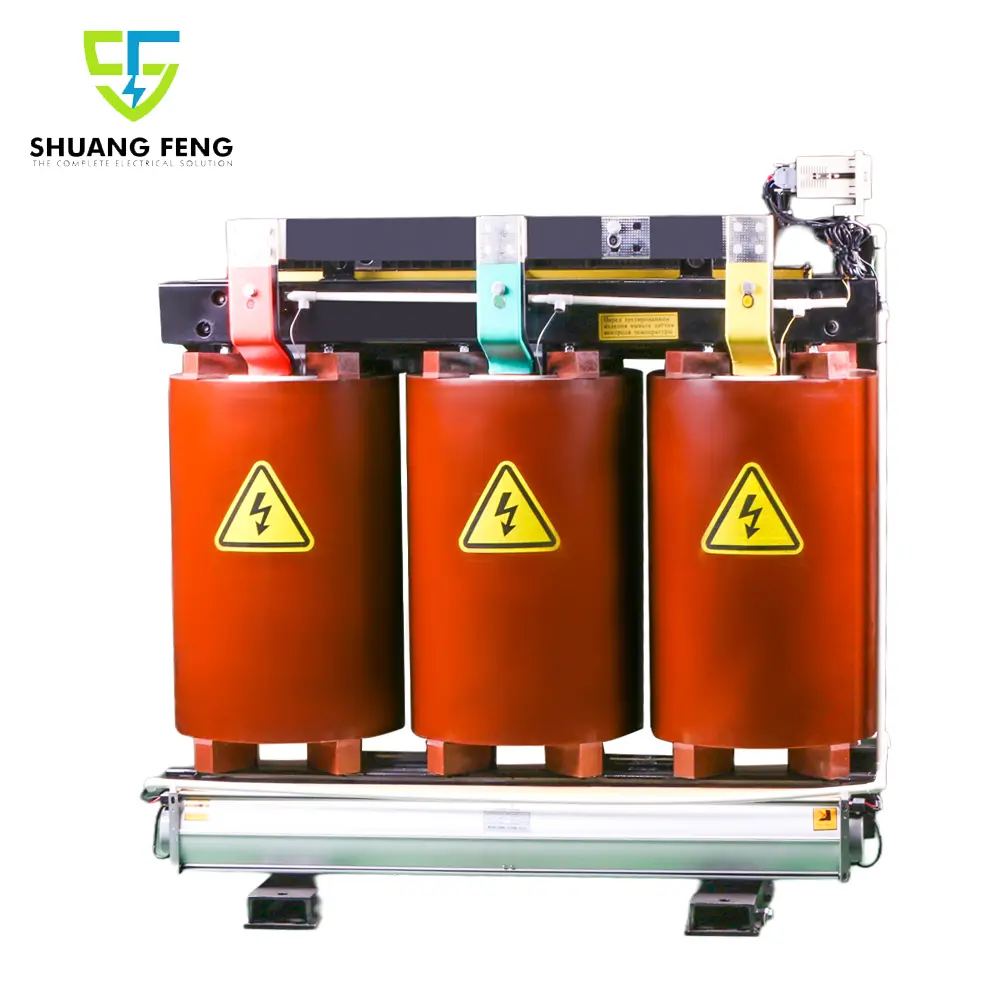


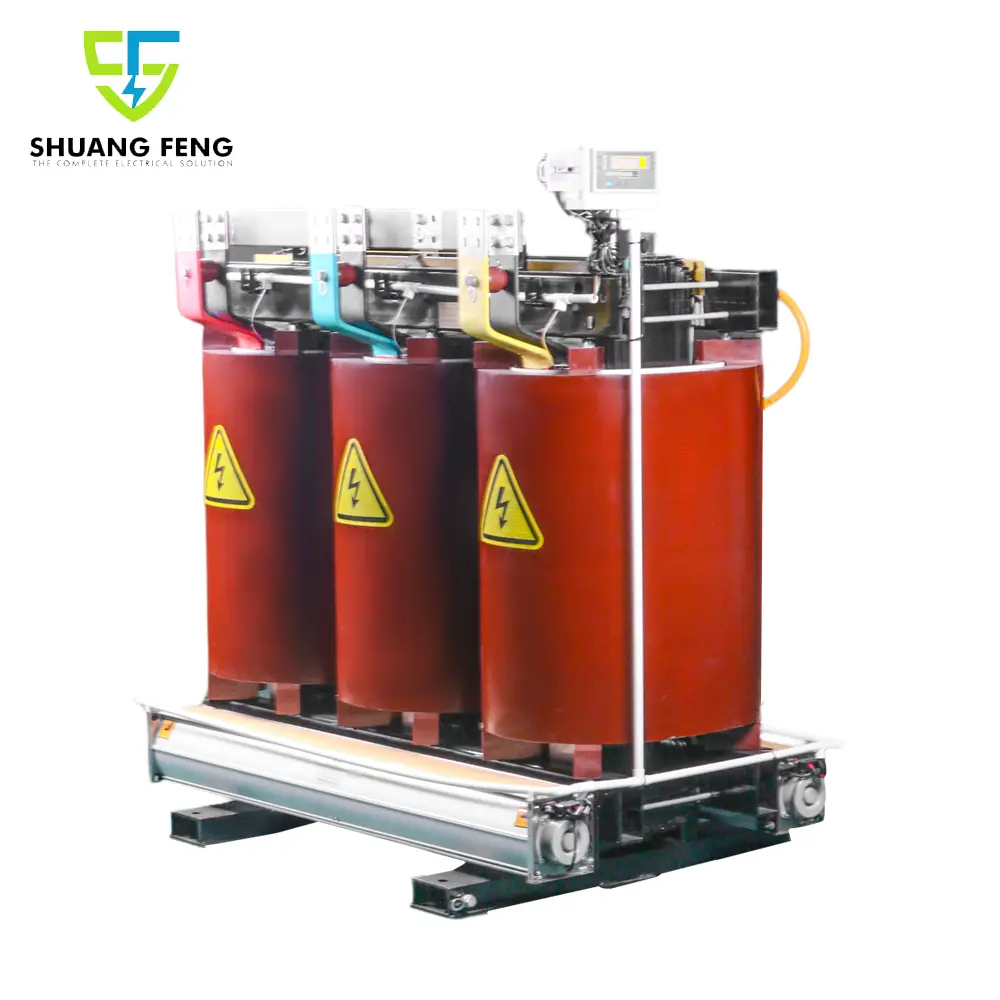
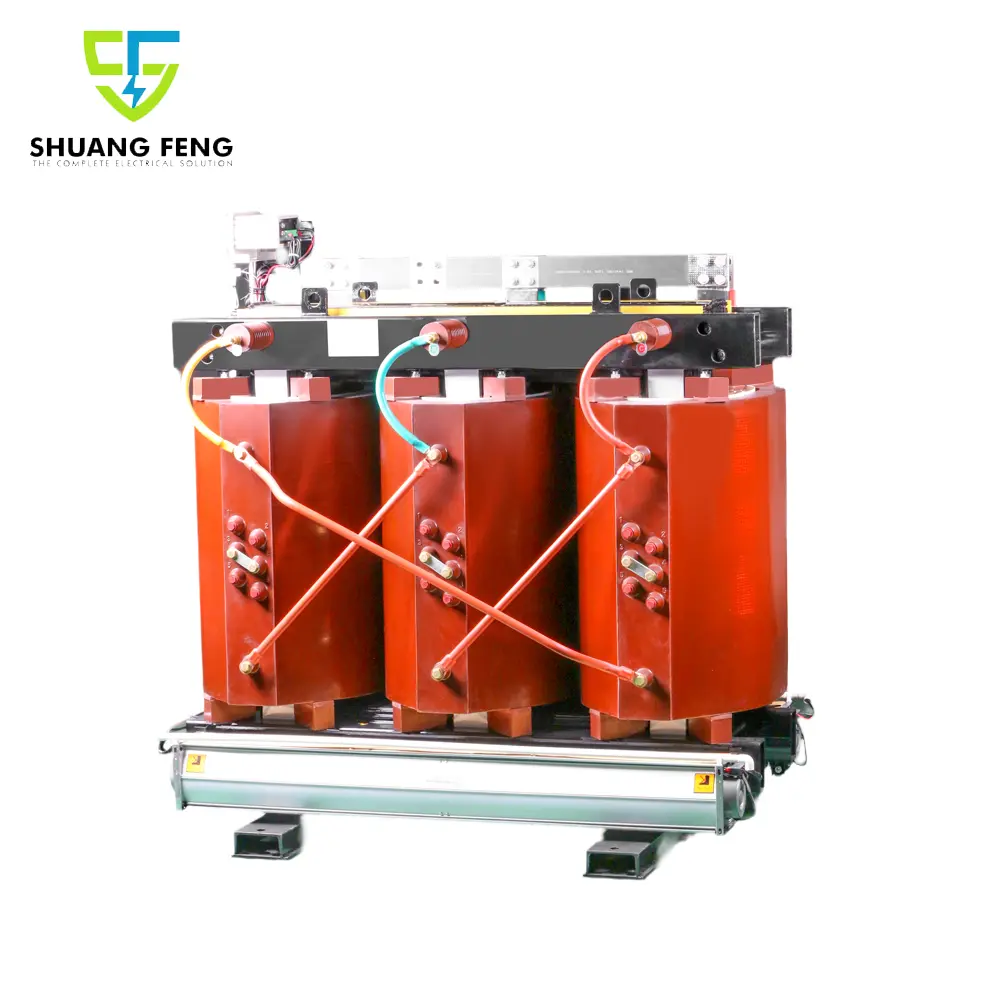
What should be done if the temperature of a dry-type transformer is too high?
Everyone knows that dry-type transformers are key components in electrical systems, as they can achieve voltage conversion without the use of liquid insulation materials. However, like any electrical equipment, dry-type transformers may also experience overheating, which can lead to reduced efficiency, damage, and even failure. If the temperature of a dry-type transformer is too high, your technicians must immediately take measures to reduce the risk. Therefore, I would like to inform the purchasers of five common cooling solutions to address the overheating problem of dry-type transformers.
1. Enhanced Airflow:
One of the simplest and most effective cooling solutions is to improve the airflow around the transformer. Your technicians need to ensure that the transformer is installed in a well-ventilated area, which can significantly reduce its operating temperature. This can be achieved by removing any obstructions that hinder the airflow, such as dust, debris, or other equipment. Additionally, installing fans or blowers helps to circulate the air more effectively, dissipate heat, and maintain optimal operating conditions.
2. Heat Sinks:
Secondly, I would like to introduce to you the heat sinks. It is a device that can absorb and dissipate the heat from the transformer. By increasing the surface area for heat exchange, the heat sinks can effectively lower the temperature of the transformer. They can be made of materials with high thermal conductivity, such as aluminum or copper, and can be directly installed on the transformer casing. This solution is particularly useful in environments where air circulation is limited or when the transformer is operating under high load for a long time.
3. Cooling Systems:
Of course, for more severe overheating issues, a specialized cooling system might be necessary. This could include water cooling systems or ethylene glycol cooling systems, in which the coolant circulates around the transformer to absorb heat. These systems can automatically adjust the flow rate based on the transformer's temperature to ensure effective cooling. Although these systems are more complex and costly, they are very effective in maintaining safe operating temperatures, especially in high-demand applications.
4. Insulation Material Upgrade:
At the same time, our dry-type transformer uses higher-grade insulation materials, which can enhance the transformer's ability to withstand high temperatures. For example, materials such as epoxy resin or thermosetting plastics can provide better thermal resistance and reduce the risk of overheating. This solution not only helps control the temperature but also extends the lifespan of the transformer.
5. Regular Maintenance and Monitoring:
The most important point is that preventive maintenance is the key to preventing overheating problems in dry-type transformers. Your technicians should conduct regular inspections to look for signs of wear, damage or dust accumulation. Additionally, implementing a temperature monitoring system can provide real-time data on the operating temperature of the transformer. If the temperature exceeds the safety limit, an alarm will alert the operators to take corrective measures to avoid damage.