Top Substation Transformer Trends to Watch in 2026?
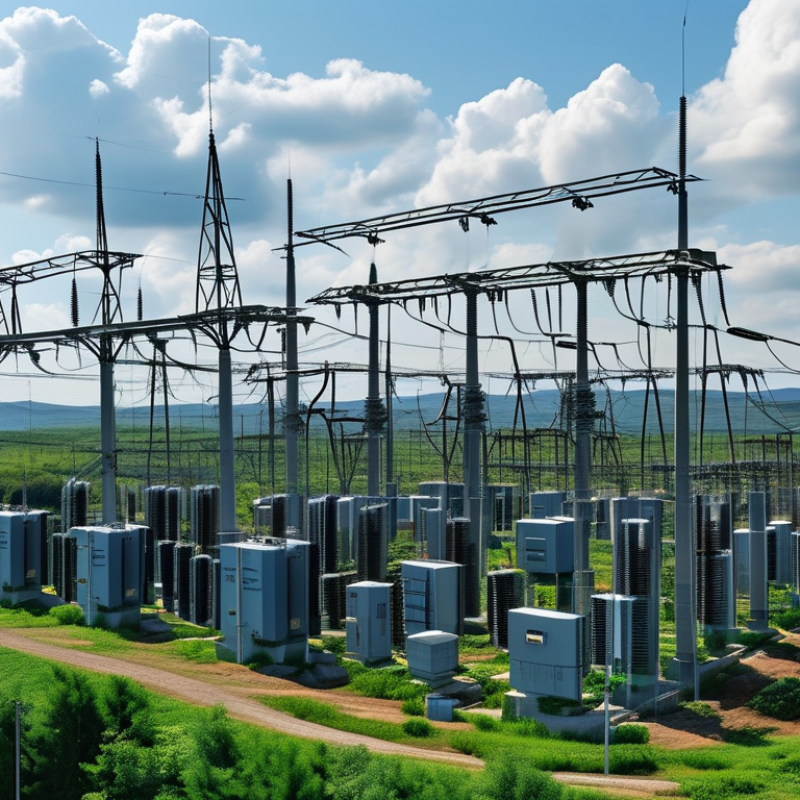
As we approach 2026, the landscape of Substation Transformers is set to undergo significant transformation. Technological advancements, energy demands, and environmental considerations are driving these trends. Utilities and companies are more concerned about efficiency, reliability, and sustainability in their operations.
The role of Substation Transformers is crucial in modern power distribution. They not only step down voltage for safe usage but also play a pivotal part in renewable energy integration. Innovations such as smart transformers are emerging. These developments will enhance monitoring capabilities and allow for better grid management.
However, the shift towards advanced Substation Transformer technologies is not without challenges. Implementation costs can be high, and aging infrastructure may hinder progress. Industry professionals must reflect on these hurdles. By focusing on research, collaboration, and investment, the sector can overcome barriers. This will ensure that reliability and efficiency goals are met, paving the way for a sustainable energy future.
Emerging Technologies in Substation Transformer Design by 2026
The landscape of substation transformer design is evolving rapidly. By 2026, several emerging technologies promise to reshape the industry. One key development is the use of advanced materials. For instance, nanocrystalline cores are gaining attention for their efficiency. They offer better performance while reducing losses significantly. This shift could enhance overall energy management in substations.
Additionally, digital monitoring systems are becoming standard. These systems allow for real-time data collection on transformer performance. Such technology improves maintenance strategies and minimizes downtime. However, the integration of digital systems also raises concerns about cybersecurity. Maintaining security is crucial, and many utilities will need to invest in robust security measures.
Another noteworthy trend is the focus on sustainability. Eco-friendly designs are increasingly sought after. This includes the use of biodegradable insulation oils and recyclable components. Still, the challenge remains in striking a balance between performance and environmental impact. It requires ongoing evaluation of new materials and their lifecycle effects. The industry must remain vigilant to adapt to these pressing issues while embracing innovation.
Top Substation Transformer Trends to Watch in 2026
| Trend |
Description |
Expected Impact |
Year of Adoption |
| Smart Transformers |
Integration of IoT for real-time monitoring and control. |
Enhanced efficiency and reduced maintenance costs. |
2026 |
| Sustainable Materials |
Use of eco-friendly insulation and cooling materials. |
Lower environmental impact and compliance with regulations. |
2026 |
| Modular Designs |
Prefabricated components for faster deployment. |
Reduced construction time and flexibility in expansion. |
2025 |
| Digital Twins |
Virtual models for simulation and predictive maintenance. |
Improved reliability and operational efficiency. |
2026 |
| AI Integration |
Advanced algorithms for load forecasting and fault detection. |
Enhanced decision-making and lower operational risks. |
2025 |
Sustainability Initiatives Driving Transformer Efficiency Improvements
The focus on sustainability is increasingly shaping the way substations operate, leading to significant improvements in transformer efficiency. In 2026, we can expect advancements in materials that enhance energy retention and minimize losses. This trend reflects a growing commitment across the energy sector to reduce carbon footprints and increase operational efficiency. New designs will prioritize lightweight materials that withstand high electrical loads while reducing ecological impact.
Moreover, innovative cooling methods are gaining traction. Traditional cooling systems often waste energy. New technologies are emerging, utilizing fluids that enhance heat dissipation without harming the environment. This shift not only improves performance but also aligns with sustainability goals. However, these advancements bring challenges. Upgrading existing infrastructure can be costly and complex. Stakeholders must evaluate the long-term benefits against immediate expenses.
As the industry pushes for sustainability, knowledge sharing becomes vital. Engineers and designers must collaborate, sharing insights on best practices and new technologies. Creating a culture of continuous improvement will be essential in overcoming obstacles. This approach fosters an environment where every decision reflects a commitment to a greener future while simultaneously enhancing transformer efficiency.
Impact of Digitalization on Substation Transformer Monitoring Systems
The rapid advancement of digitalization is reshaping substation transformer monitoring systems. According to a report from the International Energy Agency, the global investment in digital grid technologies is expected to exceed $60 billion by 2026. This transformation aims to enhance efficiency and reliability. Real-time monitoring and data analytics are critical to this evolution.
Digitalization enables predictive maintenance, reducing downtime by 20%. Sensors embedded in transformer systems collect vital data. This information is essential for detecting anomalies early. Operators can then address issues before they escalate. As a result, maintenance costs can decline significantly, with some studies suggesting up to a 30% reduction.
The integration of IoT devices into monitoring frameworks raises questions too. While they improve data sourcing, they also create cybersecurity vulnerabilities. Protecting sensitive information is becoming increasingly complex. A recent survey indicated that 40% of utility companies lack effective cybersecurity measures. Addressing these challenges will be crucial for successful digitalization in substation operations.
Market Trends Influencing Transformer Procurement Strategies
The evolving landscape of substation transformers is set to significantly impact procurement strategies in 2026. Industry reports indicate a shift towards smart grid technologies, which is driving demand for transformers that can enhance efficiency and reliability. According to a recent study, approximately 40% of utility companies are now prioritizing transformers with advanced monitoring capabilities. This trend reflects the industry's broader move towards digitalization.
Another notable trend is the increasing focus on sustainability. As regulations tighten, many companies are exploring eco-friendly transformer options. Data shows that over 30% of procurement strategies now consider environmental impact. The growing demand for green technologies is pushing manufacturers to innovate. However, companies must remain cautious. Pricing fluctuations in raw materials can disrupt these sustainable initiatives, leading to budgetary concerns.
Procurement teams must adapt to these trends. Collaborating with suppliers who are aligned with sustainability goals is essential. However, the reliability of available data poses challenges. Reporting inconsistencies can result in misguided decisions. Ongoing training and reliable market intelligence will be critical for making informed choices. The balance between adopting new technologies and managing costs requires careful consideration. It remains vital for organizations to stay vigilant and responsive to these trends as they evolve.
Regulatory Changes Shaping the Future of Transformer Manufacturing
Regulatory changes will fundamentally reshape transformer manufacturing by 2026. Governments globally are tightening standards on energy efficiency and emissions. These regulations aim to promote renewable energy usage and reduce carbon footprints. Manufacturers must adapt to these evolving requirements to remain competitive.
New lifecycle assessment criteria are being introduced. This pushes companies to consider not just production, but the entire lifespan of their transformers. Sustainable practices, such as recyclable materials and energy-efficient designs, will be essential. However, implementing these changes often leads to increased costs and production complexities that not all manufacturers are prepared to handle.
The shift toward digitalization is also influenced by regulatory pressures. Smart transformers equipped with advanced monitoring systems are gaining traction. Data analytics can optimize performance and compliance. However, the transition to smarter systems involves difficulties, such as initial setup costs and the need for skilled personnel. Companies will need careful planning to balance regulatory demands with economic viability.
Top Substation Transformer Trends to Watch in 2026
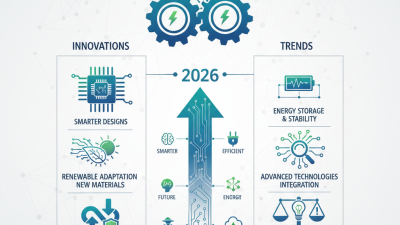
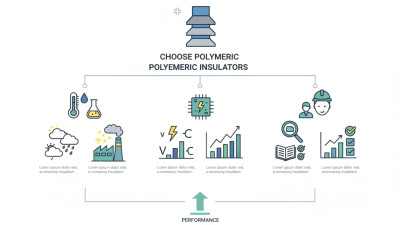
The chart presents key trends in substation transformers anticipated for 2026, highlighting the increasing importance of regulatory compliance, smart grid integration, and sustainability initiatives. These factors are shaping the future landscape of transformer manufacturing.



 Send Email
 Phone
Phone whatsapp
 Wechat
 Whatsapp
