How to Choose the Right Brace Bolt for Your Project?
Choosing the right brace bolt for your project is crucial for stability and safety. Industry expert Dr. Emily Carter, a structural engineer, emphasizes, “The right brace bolt makes all the difference in load management.” When selecting a brace bolt, factors such as material, diameter, and length play vital roles. Each project’s unique requirements demand careful consideration.
Many professionals overlook the environmental conditions where the brace bolt will be used. For instance, corrosion resistance is critical in humid or coastal areas. Additionally, the compatibility of the brace bolt with other materials can impact overall structural integrity. These details are not always obvious but are necessary for a successful outcome.
Sometimes, it may be tempting to go for the cheapest option. However, cheaper bolts can lead to costly failures. Investing in high-quality brace bolts ensures longevity and reliability. It’s worth taking the time to research and reflect on choices. Ultimately, the safety of the structure depends on the right components being used.

Understanding Brace Bolts: Types and Applications
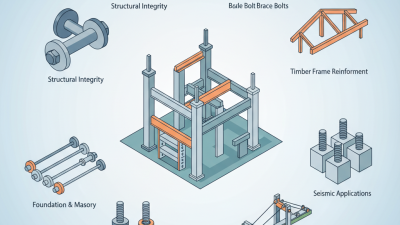
Brace bolts are essential components in various construction and engineering projects. They provide support and stability in structural applications. The right type of brace bolt can enhance safety and performance. In terms of types, there are different classifications, such as tension and shear bolts, each with distinct applications.
Tension bolts are predominant in structures that require pulling forces. They are commonly used in bridges and towers. According to the American Institute of Steel Construction, incorrect bolt selection can lead to structural failures. On the other hand, shear bolts are used to resist shear forces, ideal for connections and joints. The choice between these two types is crucial and should be guided by the specific forces encountered in a project.
The materials and coatings of brace bolts also influence their performance. High-strength steel is a popular choice, offering durability and resistance to corrosion. However, the cost can be a concern for budget-conscious projects. A study by the American Society of Civil Engineers states that selecting the proper material can significantly impact the longevity of a structure. Therefore, understanding the nuances of brace bolts and their applications can prevent costly mistakes and ensure construction integrity.
Factors to Consider When Selecting Brace Bolts
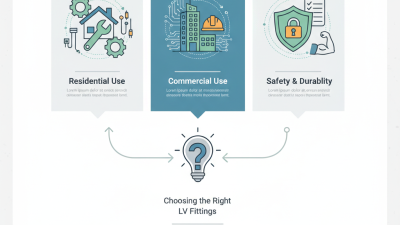
Choosing the right brace bolt is essential for structural integrity. Several factors can influence this decision. First, consider the load requirements of your project. Know the weight and stress your bolts will endure. This ensures safety and durability.
Material is another crucial aspect. Bolts come in various materials like steel, stainless steel, or alloys. Each material has its strengths and weaknesses. For instance, stainless steel is resistant to corrosion but might cost more than regular steel. Think about your environment. A wet environment might need corrosion-resistant options.
It's essential to pay attention to size. The diameter and length impact how well the bolt will perform. Using the wrong size can lead to failure. Look at standards for your industry. Sometimes, what seems fitting might not meet specific regulations. A thorough analysis will prevent mistakes in the long run.
Material Choices for Brace Bolts: Strength and Corrosion Resistance
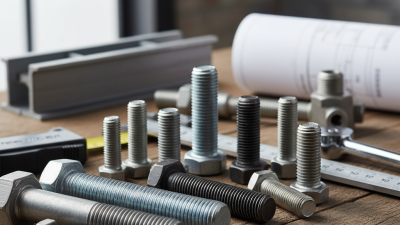
Choosing the right material for brace bolts is crucial for any construction project. Strength and corrosion resistance are two key factors to consider. Steel bolts are a popular choice due to their high tensile strength. They can handle significant weight and stress, making them ideal for structural applications. However, standard steel may not always be suitable for outdoor or marine environments.
For projects exposed to moisture, stainless steel is a reliable alternative. It offers excellent corrosion resistance, extending the lifespan of the structure. Yet, stainless steel can be more expensive and may be less tested in extreme conditions. Another option is to consider coatings, such as zinc plating, which can mitigate rust. While coatings can provide temporary protection, they may wear off over time, requiring maintenance or replacement.
Beyond material choice, it's essential to evaluate the project specifics. Think about load requirements and the environment. Consulting with a structural engineer can provide valuable insights. Always factor in long-term costs; sometimes a cheaper option may lead to higher maintenance expenses. This deliberation ensures your project remains safe and durable.
How to Choose the Right Brace Bolt for Your Project? - Material Choices for Brace Bolts: Strength and Corrosion Resistance
| Material Type |
Strength (Yield Strength in MPa) |
Corrosion Resistance |
Weight (kg/m) |
| Carbon Steel |
250 |
Moderate |
0.78 |
| Stainless Steel |
210 |
High |
0.80 |
| Alloy Steel |
450 |
Moderate |
0.90 |
| Aluminum |
310 |
High |
0.27 |
| Titanium |
900 |
Very High |
0.44 |
Sizing and Thread Considerations for Optimal Performance
When selecting a brace bolt, sizing is crucial for ensuring a secure fit and optimal performance. Start by measuring the diameter of the hole where the bolt will be inserted. A well-fitted bolt prevents wobbles and failures during operation. Consider using calipers for an accurate measurement. If the diameter varies, you may need several sizes to test which works best.
Thread considerations play a significant role too. The type and pitch of the threads can affect how the bolt engages with nuts or the material itself. Coarse threads generally offer better resistance to stripping and are easier to install. Fine threads provide greater tension but can be more prone to damage. Verify compatibility with the materials you are using.
Improper sizing or thread mismatch can lead to serious issues down the line. A bolt that is too small will fail under pressure, while one that is too large may not fit securely. Always think ahead about the environmental factors that could influence the performance. Reflecting on past experiences can help you make a better-informed decision. What challenges have you faced before? Learning from mistakes is key to improving your techniques.
How to Choose the Right Brace Bolt for Your Project?
This chart illustrates the importance of bolt sizes and thread types in relation to their load capacity. The data reflects common sizes and their respective performance metrics.
Installation Tips for Ensuring Proper Brace Bolt Functionality
When selecting brace bolts for various projects, installation is key for functionality. Improper installation leads to failures that can undermine structural integrity. According to the National Institute of Standards and Technology (NIST), bolt failures account for a significant percentage of construction-related incidents. This indicates the need for meticulous attention during installation.
Ensure you use the correct torque settings when tightening brace bolts. Many professionals recommend following specific torque values to avoid over-tightening, which can weaken the bolt. Utilize a calibrated torque wrench to maintain accuracy and consistency. It’s also essential to inspect the bolt for any visible imperfections before installation. Small cracks or deformities can lead to catastrophic failures later on.
Another consideration is the material of the bolt itself. For outdoor projects, stainless steel or galvanized bolts may be preferable due to their corrosion resistance. The American Institute of Steel Construction (AISC) emphasizes the importance of material choice in achieving long-term durability. Furthermore, regularly check bolts for signs of wear and looseness after installation. Routine maintenance helps ensure ongoing functionality and safety for your projects.




 Send Email
 Phone
Phone whatsapp
 Wechat
 Whatsapp
