10 Best Surge Arresters for Protecting Your Electronics?
In today's tech-driven world, protecting our electronic devices is paramount. Surge arrests play a critical role in safeguarding our gadgets from sudden voltage spikes. Renowned expert in electrical engineering, Dr. Emily Stroud, emphasizes, "Understanding surge protection is crucial for every household." Her insight highlights the importance of selecting the right surge arresters.
Surge arresters can prevent costly damage to devices. They act as a first line of defense against power surges caused by lightning strikes or utility issues. Many consumers underestimate their value. It’s concerning that a significant number of households lack adequate surge protection. This oversight can lead to significant financial loss.
Choosing the best surge arresters requires careful consideration. Experts suggest looking for features like joule rating and response time for optimal safety. Understanding these specifications can make all the difference in protecting your electronics. Relying solely on generic power strips may not provide adequate protection. It’s essential to reflect on how we approach surge protection in our homes.
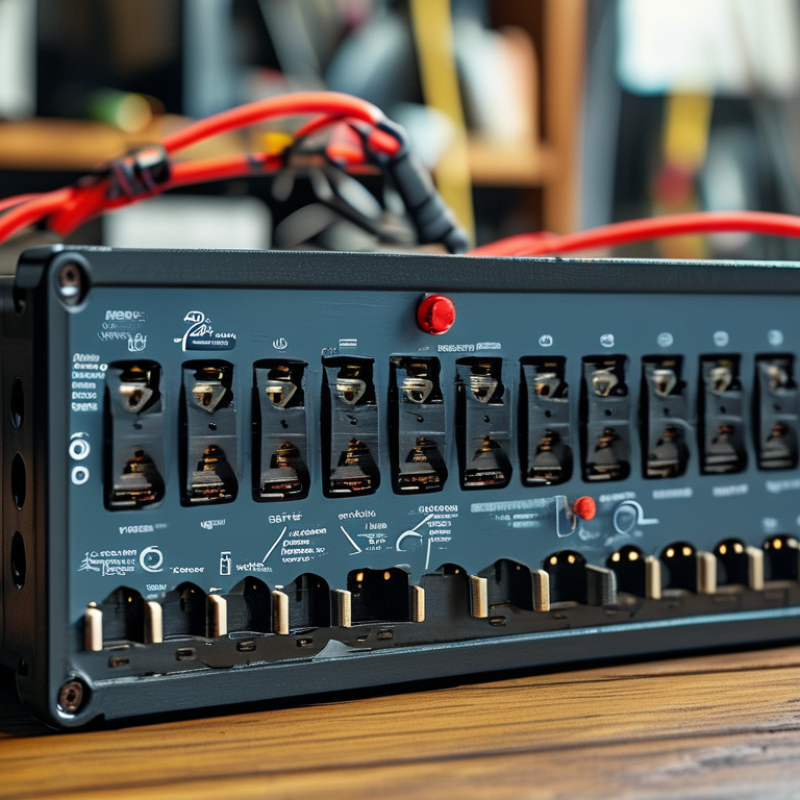
Understanding Surge Arresters and Their Importance in Electronics
Surge arresters are essential devices that protect your electronics from voltage spikes. These spikes can occur due to lightning strikes, power outages, or electrical faults. Investing in a surge arrester can save you from costly repairs or replacements of your valuable electronics. Understanding how these devices function is crucial for effective protection.
One important tip is to evaluate your needs based on your electronics. For home use, a simple surge protector may suffice. However, for more sensitive devices, consider multi-stage surge arresters for enhanced security. Always check the suppression ratings to ensure they match your devices' voltage levels.
It's easy to overlook surge protection until it’s too late. Regularly inspect your arresters for wear and aging. Replace them if they show signs of damage or if they’ve absorbed multiple surges. Being proactive can make a significant difference in safeguarding your devices from unexpected surge incidents.
10 Best Surge Arresters for Protecting Your Electronics
| Surge Arrester Model |
Max Surge Current (kA) |
Response Time (ns) |
Number of Outlets |
Warranty (Years) |
| Model A |
20 |
1 |
6 |
3 |
| Model B |
30 |
0.5 |
4 |
5 |
| Model C |
15 |
0.8 |
8 |
2 |
| Model D |
25 |
1 |
3 |
4 |
| Model E |
35 |
0.1 |
5 |
6 |
| Model F |
20 |
1.2 |
4 |
3 |
| Model G |
40 |
0.5 |
2 |
7 |
| Model H |
50 |
0.1 |
6 |
5 |
| Model I |
60 |
0.3 |
4 |
4 |
| Model J |
70 |
0.5 |
5 |
8 |
Key Features to Consider When Choosing a Surge Arrester
When selecting a surge arrester, key features play a crucial role in safeguarding your electronics. The clamping voltage is essential. It indicates the voltage level at which the arrester begins to engage. Ideally, lower clamping voltage means better protection for your devices. Look for models that operate below 400 volts for optimal safety.
Another critical feature is the energy absorption capability. This tells you how much energy the device can handle during a surge. The higher the joule rating, the more energy it can absorb before failure. Make sure to choose one that matches your electronic needs. Additionally, consider response time. A faster response time can make a difference in protecting sensitive equipment from brief but intense surges.
Lastly, ensure proper installation and location. A poorly installed surge arrester can diminish its effectiveness. Regularly checking connections and ensuring they are secure helps maintain functionality. Sometimes, even the best devices fail if not used correctly. Choose wisely, and pay attention to these details to better protect your valuable equipment.
Top 10 Surge Arresters for Home and Office Use
In today’s digital age, protecting electronics is crucial for home and office environments. Surge arresters serve as your first line of defense against voltage spikes. According to a report by the Institute of Electrical and Electronics Engineers, power surges can damage equipment and lead to costly repairs. Investing in a high-quality surge arrester can save you hundreds to thousands of dollars over time.
Many surge arresters are designed with multiple outlets, allowing users to connect various devices. This is essential when considering that an average home has about 25 connected devices. Many people overlook this aspect, leading to inadequate protection. A surge arrester's joule rating is also important; products with higher ratings generally provide better protection. It's a matter of simple math: the higher the rating, the longer it lasts during surges.
Despite advances in technology, not all surge arresters meet the necessary standards. Some may offer only minimal protection or have a lower failure rate, which compromises their effectiveness. It’s also vital to understand that surge protection doesn’t last forever. Regularly reviewing your surge arresters and considering your electronic devices' needs can help maintain optimal safety levels. Ultimately, a surge arrester is a small investment with potentially significant returns in terms of protecting valuable electronics.
Installation Tips for Optimizing Surge Arrester Performance
When installing surge arresters, proper placement is crucial.
Statistics show that up to 60% of surge damage occurs from indirect lightning strikes.
Positioning arresters close to vulnerable electronics enhances protection. They should be installed at entry points for power lines or communication lines.
This design minimizes the effect of surges entering homes and businesses.
Choosing the right type of surge arrester is vital. Different environments and system voltages require specific models.
An analysis by the Institute of Electrical and Electronics Engineers highlights that using surge protectors rated for the highest possible surge current enhances safety.
Regularly inspecting connections can also prevent potential failures. Ensure all grounding systems are effective.
Frequent maintenance checks are often overlooked.
Dust buildup and corrosion can impede performance over time.
According to electrical safety reports, 30% of surge protection systems fail due to lack of routine inspections.
Documenting installations and observations helps manage equipment longevity. Staying informed on advancements in surge protection technologies is an ongoing necessity for optimized performance.
Common Myths and Misconceptions About Surge Protection Devices
Many homeowners believe that surge protectors are foolproof. This is one of the most common myths. While these devices can safeguard your electronics, they aren’t infallible. A power surge can still potentially overwhelm even the best surge arresters. Over time, surge protectors wear out and become less effective. It's crucial to replace them periodically to ensure they function as intended.
Another misconception is that a surge protector can protect against all types of electrical disturbances. In reality, some waves or spikes may go unnoticed. For instance, lightning strikes can produce immense energy that many basic surge protectors can’t handle. Furthermore, the placement of these devices matters significantly. A poorly located surge protector may not provide the necessary protection for connected devices.
Understanding these myths allows you to make informed decisions about your electronics. Many people assume that just having a surge protector is enough. This mindset can lead to unintended consequences, like damaged equipment or costly replacements. Regular maintenance and proper usage are crucial.



 Send Email
 Phone
Phone whatsapp
 Wechat
 Whatsapp
