Best Fuse Cutouts for Global Buyers in China Market?
In the rapidly evolving landscape of electrical components, Fuse Cutouts have emerged as vital elements for reliable performance. These devices protect overhead electrical lines by disconnecting them in case of faults. As demand rises, global buyers in the China market seek the best options available, focusing on quality, durability, and efficiency.
Fuse Cutouts are essential for ensuring safety in electrical distribution systems. However, selecting the right model can be challenging. Factors such as environmental conditions and installation requirements play crucial roles. Not every product suits every situation, which can lead to significant issues if overlooked. Therefore, buyers must make informed decisions to avoid costly mistakes.
Understanding the specific needs of your electrical systems is key. This requires not only product knowledge but also a grasp of local standards and regulations. Engaging with trusted suppliers in China can provide insights into the best Fuse Cutouts tailored for diverse applications. Achieving long-lasting performance depends on combining experience with expert guidance.
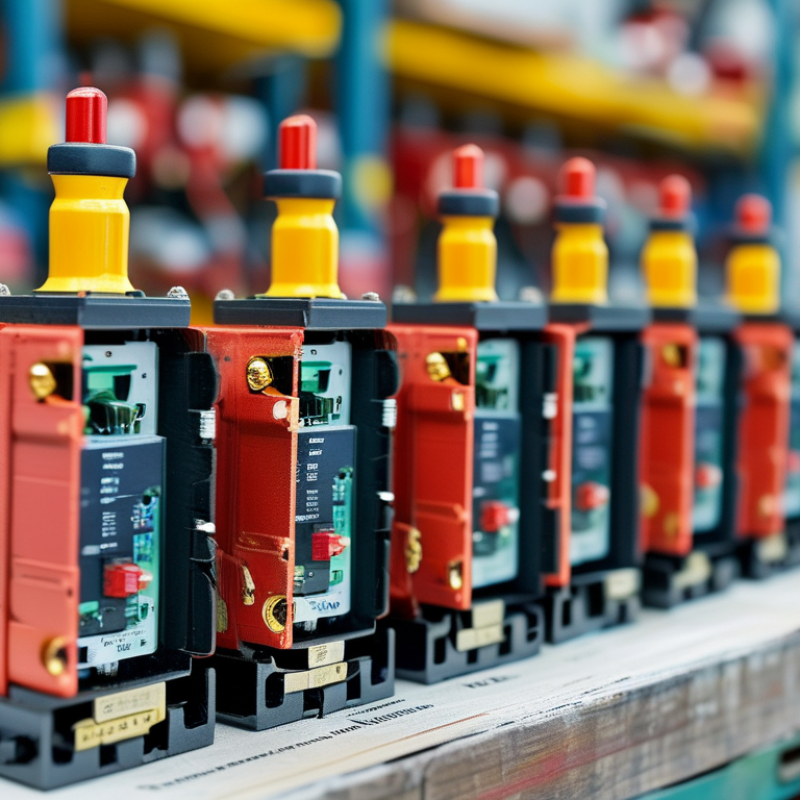
Overview of Fuse Cutouts Available in the Chinese Market
The Chinese market offers a diverse range of fuse cutouts catering to various industry needs. According to recent reports, the demand for these products has seen an annual growth rate of approximately 8%. This indicates a robust market presence, reflecting both industrial and consumer interest in reliable electrical protection equipment.
Fuse cutouts in China vary in specifications, with voltage ratings often ranging from 1kV to 36kV. Their construction typically involves porcelain insulators, which ensure durability under harsh climatic conditions. The increased use of renewable energy sources has been driving the need for advanced fuse cutout solutions. A significant portion of these cutouts is deployed in solar and wind projects throughout the country.
However, challenges persist in this sector. Quality control remains a pressing issue for many manufacturers. Reports suggest that nearly 15% of fuse cutouts sold may not meet the required safety standards. This discrepancy raises concerns over the reliability of electrical systems relying on these components, demanding further improvement in regulatory practices. Ultimately, buyers need to remain vigilant in evaluating both performance and manufacturer credibility in this evolving landscape.
Key Features to Consider When Selecting Fuse Cutouts
When selecting fuse cutouts, several key features must be considered for optimal performance. Reliability is essential. A well-designed fuse cutout should offer consistent operational efficiency, safeguarding electrical systems from overloads. It is critical to assess the material quality. High-grade materials enhance durability and resistance to environmental factors. Well-made components should withstand harsh weather conditions, reducing maintenance needs.
Another factor to focus on is the ease of installation and operation. An ideal fuse cutout should feature a user-friendly design. Installation complexity can lead to mistakes, impacting effectiveness. A simple, intuitive layout can ease the installation process, allowing for quick adjustments or replacements.
While evaluating options, the cost remains an important consideration, but it shouldn't compromise quality. Cheaper alternatives can lead to frequent failures or safety risks. Finding a balance between cost and features is a challenge. Some may overlook the long-term implications of choosing inferior products. Thoughtful consideration of these factors ensures that consumers make informed decisions in the fuse cutout market.
Best Fuse Cutouts for Global Buyers in China Market
Top Manufacturers and Brands of Fuse Cutouts in China
In the Chinese market, fuse cutouts play a critical role in ensuring electrical safety. When selecting manufacturers, quality and reliability are paramount. Many companies in China excel in producing high-quality fuse cutouts. They utilize advanced technology and engineering expertise, making them competitive in the global landscape.
While sourcing fuse cutouts, consider these factors. Look for manufacturers that have certifications and a solid reputation. It's essential to assess the materials used in production. Some manufacturers may cut costs by using lower-quality components. This can lead to failures or safety issues.
Get feedback from industry peers. Personal recommendations often provide valuable insights on performance and reliability. Researching online reviews can also highlight potential risks. Opt for products that have undergone rigorous testing. Pay attention to warranties and support services offered. Not all manufacturers provide adequate post-purchase assistance, which can lead to challenges down the line. Finding the right fuse cutout is not just about price—it’s about value, safety, and performance.
Comparative Analysis of Fuse Cutout Pricing in China
The fuse cutout market in China has seen dynamic pricing trends. Factors influencing these prices include material costs, manufacturing processes, and demand fluctuations. Buyers must navigate this landscape carefully to make informed decisions.
Recent analysis reveals that prices can vary significantly across different suppliers. Low-cost options may compromise quality, leading to higher long-term costs. Conversely, premium products often come with robust warranties and superior performance. This variance requires buyers to evaluate not just upfront costs but also reliability and durability.
In recent months, the rise of automation in production has started impacting prices. Automated systems reduce labor costs but may increase initial investments. Understanding these developments can help buyers align their purchasing strategies with market trends. Balancing cost and performance remains a challenge. Each buyer's unique needs necessitate a tailored approach to finding the ideal fuse cutout solution.
Best Fuse Cutouts for Global Buyers in China Market? - Comparative Analysis of Fuse Cutout Pricing in China
| Model |
Voltage Rating (kV) |
Current Rating (A) |
Price (USD) |
Availability |
| Model A |
15 |
100 |
25 |
In Stock |
| Model B |
20 |
150 |
35 |
Limited Stock |
| Model C |
25 |
200 |
50 |
Pre-Order |
| Model D |
30 |
100 |
40 |
In Stock |
| Model E |
15 |
50 |
20 |
In Stock |
Future Trends and Innovations in Fuse Cutout Technology
The fuse cutout market in China is evolving rapidly with technological advancements. According to a report by MarketsandMarkets, the global fuse cutout market is expected to grow at a CAGR of 6.3% from 2023 to 2030. This growth is driven by increasing demand for reliable power distribution systems.
Innovations in digital technology are transforming fuse cutouts. Smart fuse cutouts now offer remote monitoring capabilities. These features help utilities identify issues early, reducing downtime. A study revealed that integrating smart technology could lower maintenance costs by up to 25%. Additionally, advancements in materials enhance durability and safety, addressing concerns about environmental impacts.
Despite these advancements, challenges remain. The initial costs of smart installations can deter smaller utilities. The transition to digital infrastructure requires training and adaptation, which can be complex. As countries prioritize renewable energy, fuse cutout technology must keep pace. Ongoing research and development will be crucial for future enhancements.






 Send Email
 Phone
Phone whatsapp
 Wechat
 Whatsapp
