2026 Best Fuse Cutouts for Efficient Power Distribution?
Efficient power distribution is crucial in today’s energy landscape. As we look towards 2026, selecting the right equipment becomes vital. Among the various components in power distribution systems, Fuse Cutouts stand out. They play a key role in protecting electrical circuits. These devices help prevent overloads and ensure safe operations.
In recent years, innovations in Fuse Cutouts have emerged. The market now offers more options than before. However, not all Fuse Cutouts are equally effective. Some may fail under certain conditions. Others might not comply with safety standards. These inconsistencies can lead to serious consequences.
As we evaluate the best Fuse Cutouts for 2026, it's important to consider their design and reliability. Each model needs thorough testing to ensure it meets current demands. Being proactive about these choices is essential for both safety and efficiency. The right Fuse Cutouts can make a significant difference in power distribution systems.
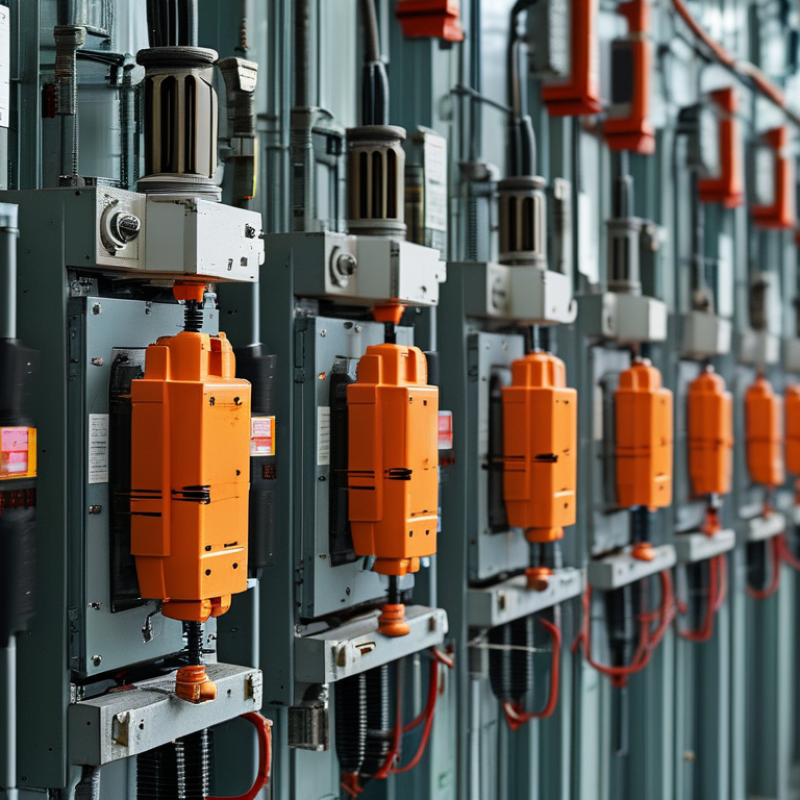
2026 Trends in Fuse Cutout Technology for Power Distribution Systems
In 2026, the landscape of fuse cutout technology is evolving to enhance power distribution systems. With the growing demand for renewable energy sources, fuse cutouts are adapting. Advanced materials are being used, increasing durability and heat resistance. This ensures reliable performance in extreme weather conditions. Innovations enable better fault detection, improving overall safety in electrical networks.
Another notable trend is the integration of IoT features. Smart fuse cutouts provide real-time data on system performance. This connectivity allows for proactive maintenance and quick response to issues. Users can analyze data patterns, promoting efficiency. However, the reliance on technology introduces complexity. Training and expertise are necessary to fully leverage these advancements.
Sustainability is a crucial element in current designs. Eco-friendly materials and energy-efficient technologies are gaining traction. Manufacturers are focusing on lifecycle assessments to minimize environmental impact. Still, challenges remain in balancing cost and sustainability. The need for reliable power distribution grows, but so does the pressure for greener solutions. Effective solutions must address this tension.
Key Benefits of Modern Fuse Cutouts in Electrical Safety and Reliability
Modern fuse cutouts play a crucial role in electrical safety and reliability. These devices protect electrical circuits from overloads and short circuits. They act as a barrier, preventing excessive currents from damaging equipment. With advancements in technology, contemporary fuse cutouts offer enhanced performance, ensuring smoother power distribution.
One key benefit of modern fuse cutouts is their ability to provide quicker fault detection. This reduces downtime and maintenance costs. The use of reliable materials also extends the lifespan of these devices. They are designed to withstand harsh environmental conditions, making them ideal for outdoor use.
Tips for choosing the right fuse cutout include considering the voltage rating and current capacity. Ensure the cutout meets your specific application requirements. Regular inspections can identify wear or damage, which is crucial for maintaining electrical safety. As technology evolves, remaining informed about new developments can lead to better decision-making. This proactive approach fosters reliability in your power distribution system.
Comparative Analysis of Top Fuse Cutouts Based on Industry Data
Selecting the best fuse cutouts for power distribution involves a careful analysis of various options. A comparative study helps identify the top performers based on industry data. Companies often prioritize reliability and efficiency. However, many options may not meet all operational needs satisfactorily.
Data reveals that materials and design significantly affect performance. Some cutouts may excel in temperature handling but fall short in electrical performance. There exist trade-offs, and understanding these nuances is essential. Regular evaluations can uncover shortcomings, leading to better purchasing decisions.
It’s crucial to assess the environment where these cutouts will operate. Factors such as humidity and ambient temperature can impact longevity and functionality. The data suggests that a one-size-fits-all approach is rarely effective. Everyone involved in power distribution shares the responsibility to remain critical and informed about their choices. This ongoing evaluation ensures optimal power management and minimizes failures.
Factors Impacting the Efficiency of Fuse Cutouts in Power Networks
The efficiency of fuse cutouts in power networks is crucial for reliable electricity distribution. Factors like load conditions, environmental influences, and design specifications can significantly impact performance. A report by the IEEE indicates that up to 30% of power loss in circuits can be attributed to inefficient fuse cutout designs.
Regular maintenance is essential for optimal functionality. Environmental conditions, such as humidity and temperature fluctuations, can cause degradation. According to various industry studies, dirt and corrosion can increase resistance, leading to power loss. Operators should monitor these factors closely to ensure system efficiency.
Tips: Regular inspections can help identify issues before they escalate. Consider using advanced materials for fuse cutouts. These materials often resist environmental stress better than standard options. Being aware of these factors can help optimize power distribution and improve efficiency in networks.
2026 Best Fuse Cutouts for Efficient Power Distribution
This chart illustrates the performance of different fuse cutouts based on key efficiency factors such as thermal performance, operating voltage, and response time.
Future Innovations in Fuse Cutout Design and Material Science
As we look towards the future of fuse cutout design, material science plays a pivotal role. Innovations in composite materials, such as high-performance polymers, are set to enhance durability and resistance to environmental factors. Reports indicate that integrating these materials can reduce maintenance costs by up to 30%. Improved thermal properties are essential for handling increased loads in modern power distribution systems.
Fuse cutouts must adapt to evolving grid requirements. Research suggests that the transition to smart grids may demand cutouts with advanced sensing capabilities. These innovations can provide real-time monitoring of electrical flow, enhancing safety and reliability. Engineers should consider these features in upcoming designs.
**Tip:** Regular maintenance checks are crucial for optimizing the lifespan of cutouts.
Understanding trends in material usage is vital. For instance, reports show that traditional ceramics are falling behind on performance metrics. Instead, lightweight composites offer alternatives with significant benefits. Staying updated on these trends is essential for anyone involved in power distribution.
**Tip:** Invest time in research and development. This can yield innovative solutions for current challenges in power distribution.








 Send Email
 Phone
Phone whatsapp
 Wechat
 Whatsapp
