
 Send Email
 Phone
Phone whatsapp
 Wechat
 Whatsapp

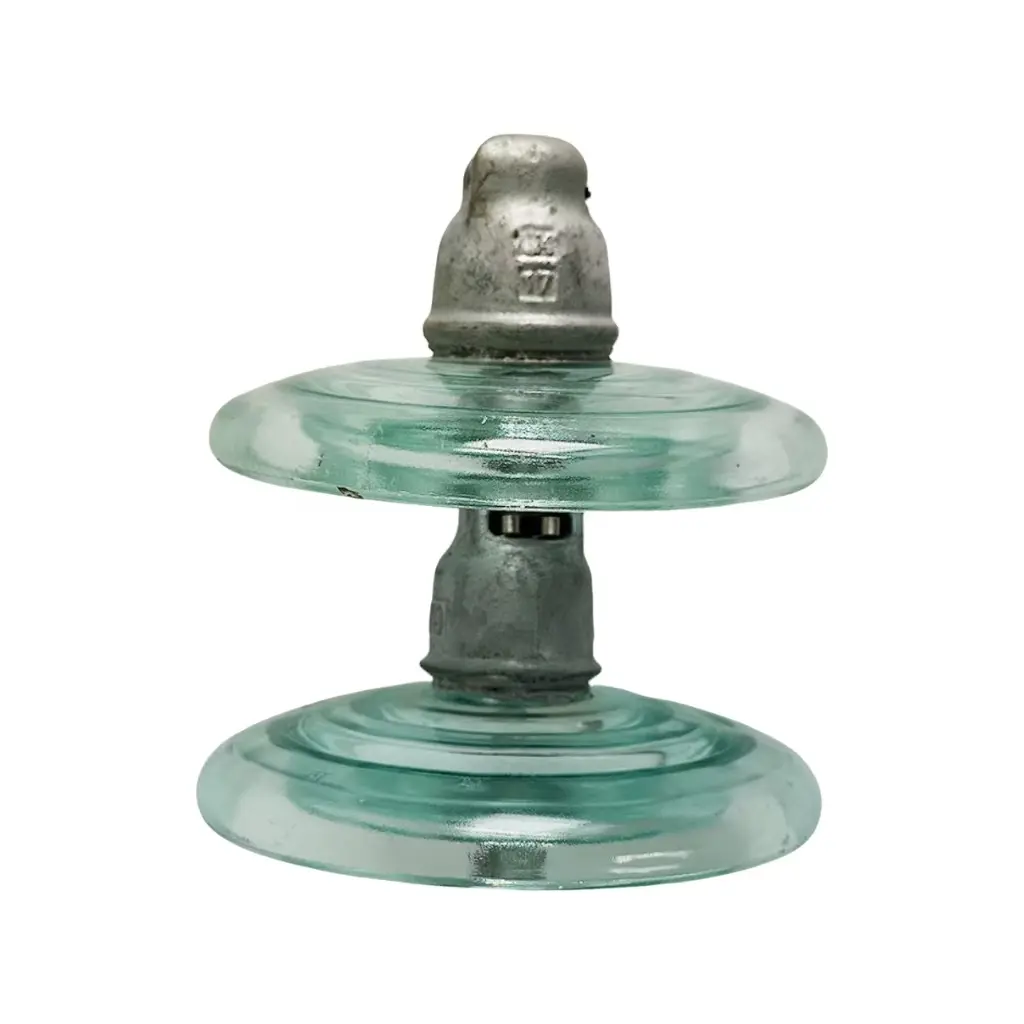
Why Composite Insulators Outperform Porcelain in Harsh Climates: The Corrosion Resistance Edge
In the demanding field of high-voltage transmission, choosing the appropriate insulator is crucial for the connection between the energized lines and the grounding structure. Insulators are generally classified into ceramic insulators and rubber insulators based on their materials. Although ceramic insulators have a long service life, in harsh climatic conditions, composite polymer insulators are increasingly dominating the market. This is mainly due to their excellent corrosion resistance.
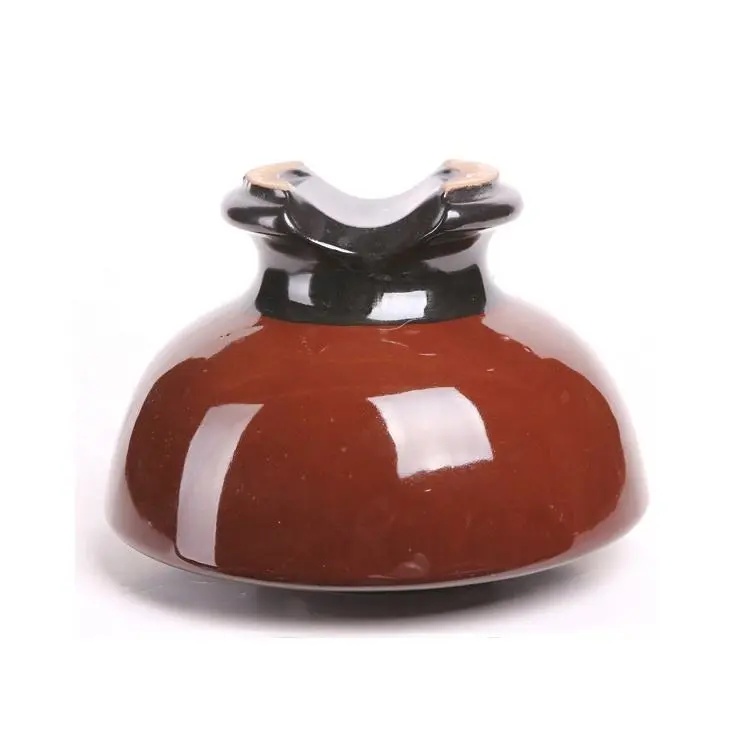
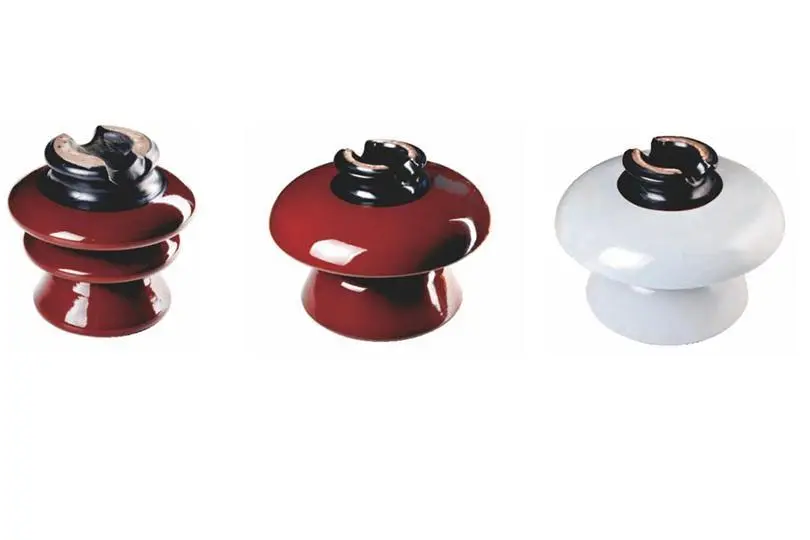
Ceramic insulators are made of ceramic materials, and their surface integrity depends on a fragile glassy glaze layer. This is precisely their weakness. In corrosive environments such as coastal areas with salt fog, industrial areas with chemical pollutants or severe acid rain, this glaze layer will deteriorate over time. Once there are gaps or cracks, the porous ceramic body beneath will be exposed, and moisture and pollutants will cause damage to the ceramic insulator. This will lead to corrosion of the cement inside the metal end fittings, resulting in the following damages:
1. Cement expansion: Absorbing moisture leads to expansion, causing the porcelain to crack from the inside.
2. Metal corrosion: Galvanized steel end fittings are eroded, weakening the mechanical connection.
3. Tracking and erosion: The combination of surface contamination and moisture leads to current leakage, causing irreversible damage to the glazed surface.
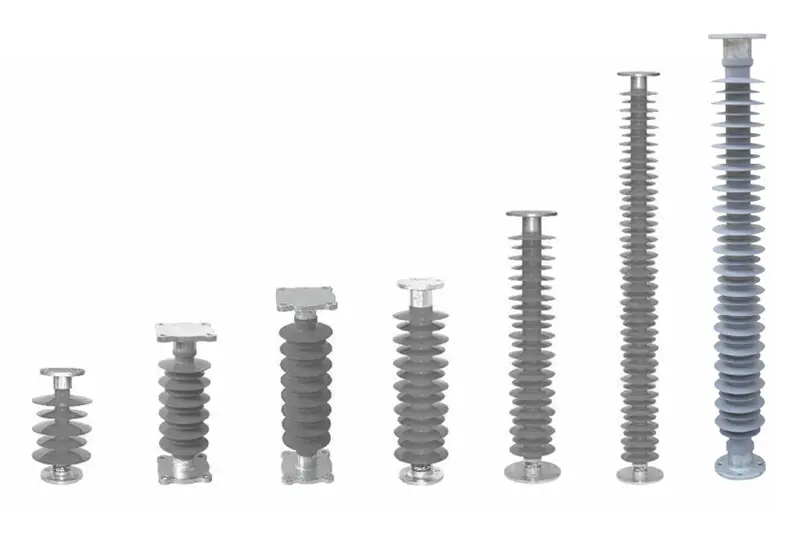
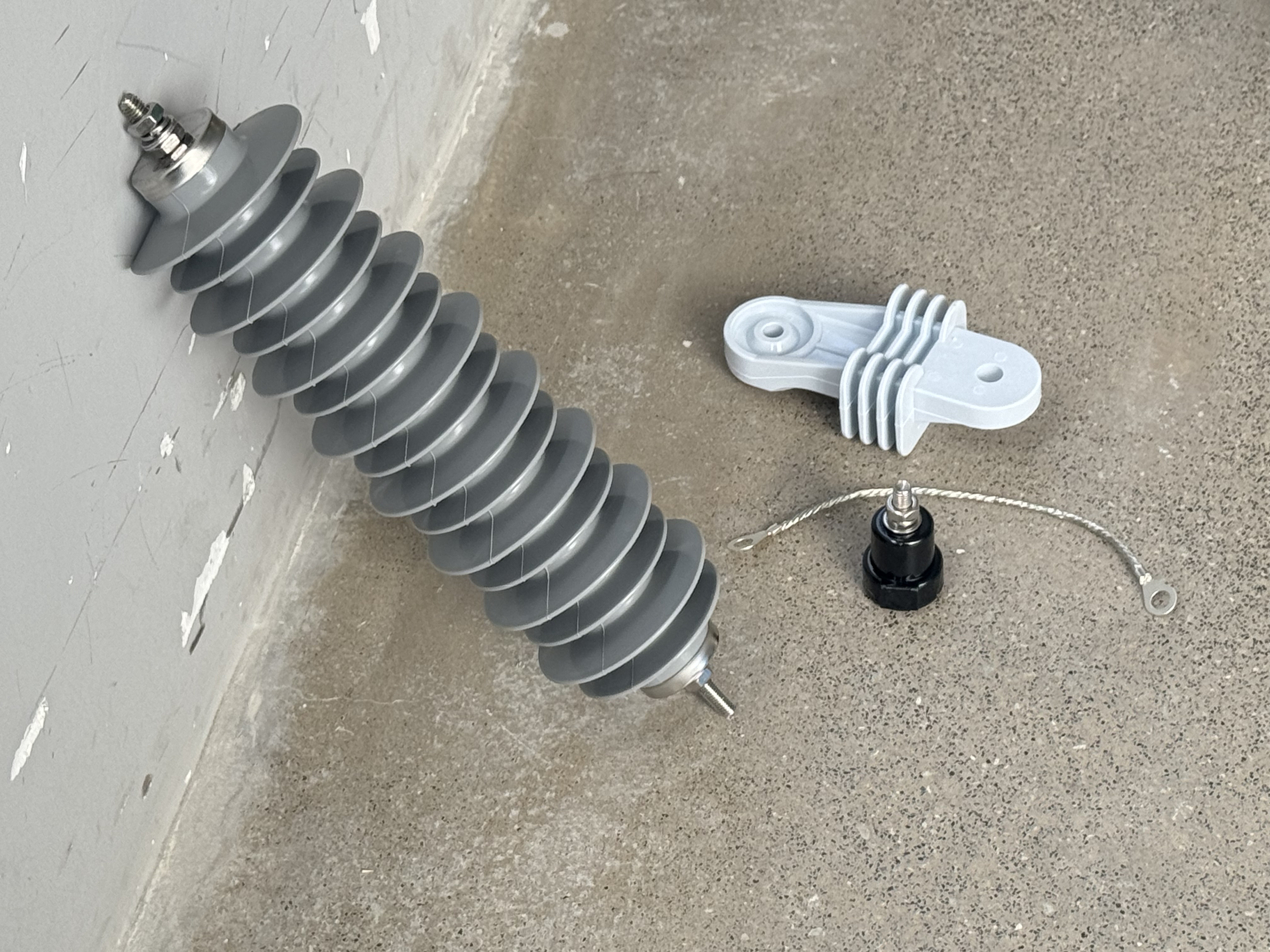
However, composite insulators are composed of a glass fiber core, a rubber shell (usually silicone rubber) and metal end fittings. Therefore, they perform exceptionally well in areas where ceramic insulators perform poorly:
1. It has non-porosity: The silicone rubber shell is an overall hydrophobic barrier. It does not absorb water or pollutants like porous ceramics.
2. Excellent hydrophobicity: Silicone rubber naturally has hydrophobic properties. Even if contaminated, water forms droplets, minimizing leakage current and preventing the formation of continuous conductive paths. It is crucial that silicone rubber can restore its hydrophobicity over time.
3. Elastic material: Rubber has strong resistance to chemical erosion from salts, acids and industrial pollutants. It also has flexibility and impact resistance, unlike fragile ceramics that are prone to cracking.
4. Protective core and fittings: The rubber shell completely encloses the glass fiber core and uses advanced technology to seal the interface with the metal end fittings. This prevents water from entering and protects these critical connections from electrochemical corrosion. The end fittings themselves are usually coated with special treatments to enhance corrosion resistance.
5. Lightweight advantage: Compared to ceramics, composite materials significantly reduce weight, thereby reducing the structural load on the tower. This is particularly important in freezing or strong wind areas, as additional weight can exacerbate stress and corrosion fatigue.
Therefore, in air with high salt content, chemical deposits or extreme freeze-thaw cycles, composite insulators can maintain their structural integrity and electrical performance for a longer time than ceramic insulators. They can resist internal and external corrosion that plagues ceramic insulators, significantly reducing maintenance work, lowering the incidence of unexpected failures, and reducing the overall cost of the life cycle.