
 Send Email
 Phone
Phone whatsapp
 Wechat
 Whatsapp

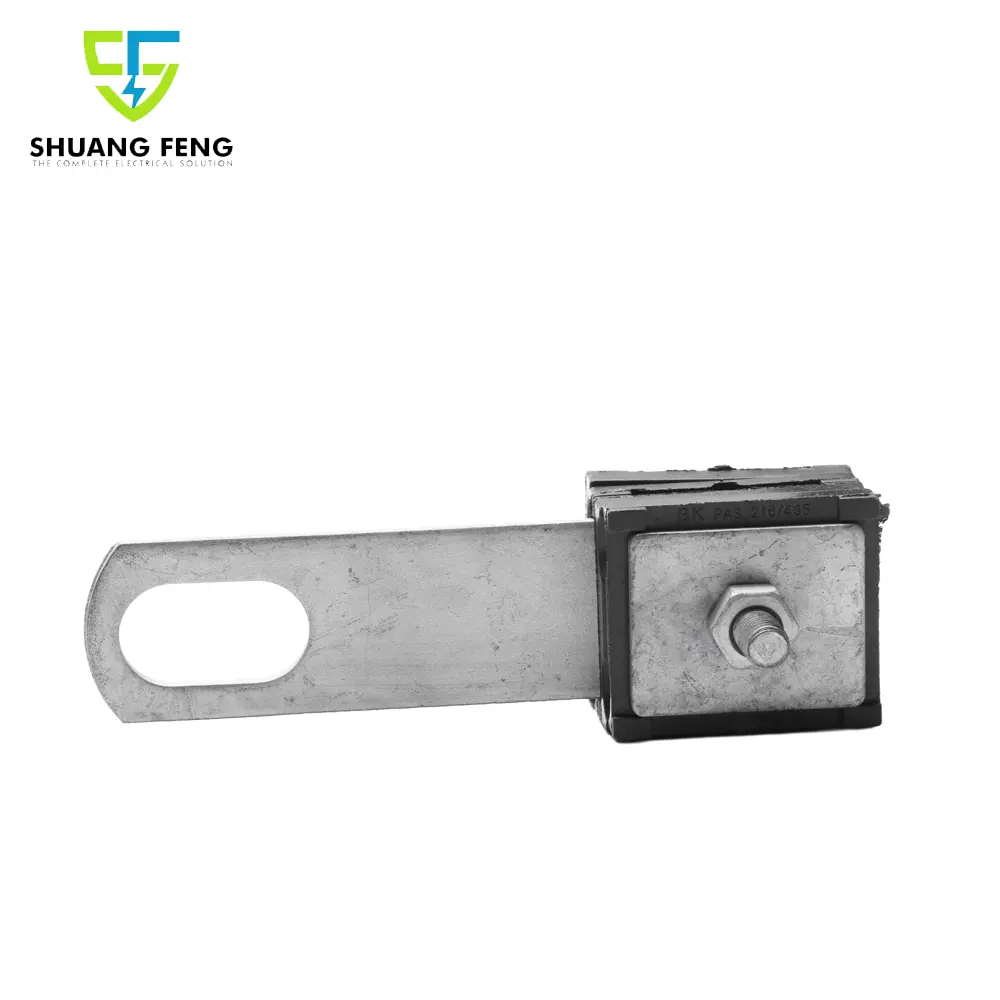
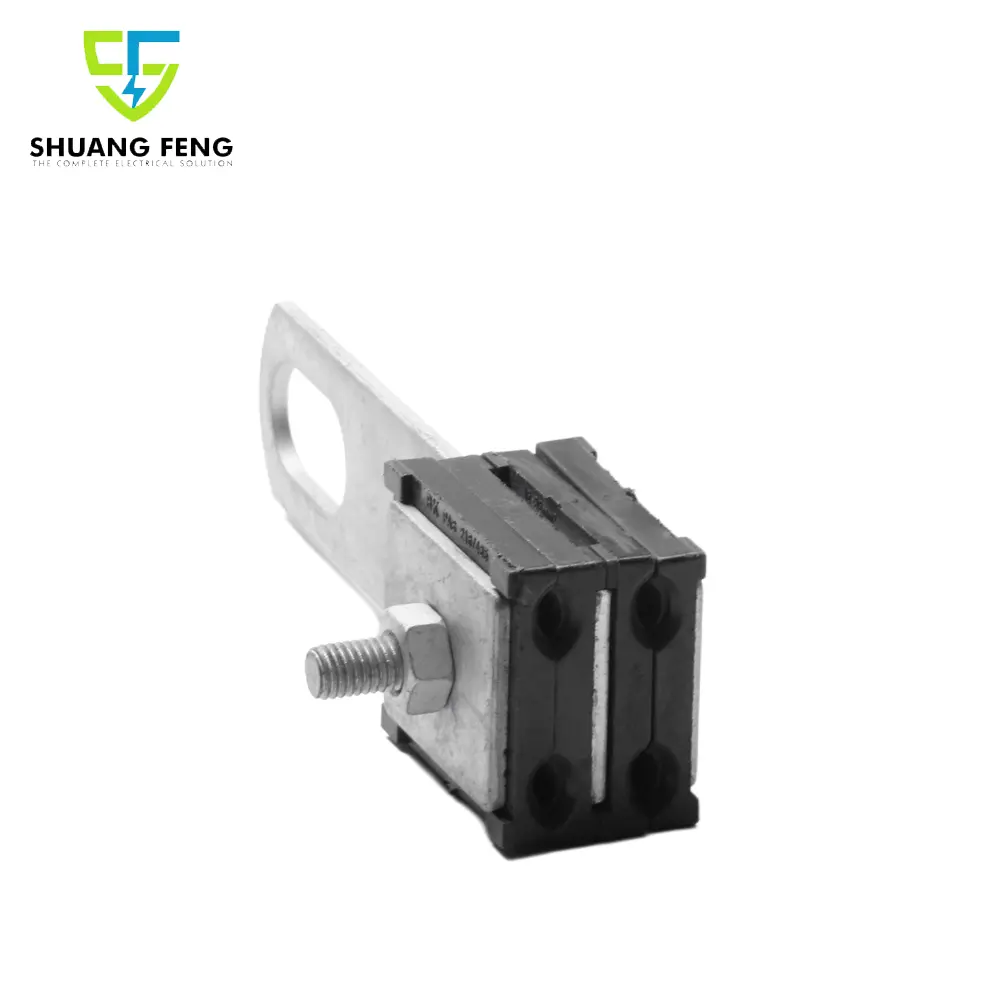
How to detect fatigue damage of tension clamps?
We all know that in the field of engineering and construction, tension clamps are used to fix cables and other components, and they usually bear various stresses. Over time, this may lead to fatigue damage. Therefore, we strongly recommend that it is very important to develop fatigue detection tools specifically for tension clamps.
Firstly, what the customers need to understand is that the fatigue damage of the tension testing fixture should be evaluated through both visual inspection and advanced monitoring technologies. Usually, people rely on visual assessment, where engineers look for signs such as wear, cracks or deformation. However, these methods may not detect the early fatigue damage. Therefore, at this point, specialized fatigue detection tools come in handy.
We all know that modern fatigue detection tools employ a variety of technologies, including ultrasonic testing, acoustic emission monitoring, and strain gauge sensors. Let me briefly introduce the functions of these three technologies to you. Ultrasonic testing can detect internal defects that are invisible to the naked eye, while acoustic emission monitoring can capture the sound waves generated when cracks form. Strain gauge sensors can measure the deformation of fixtures under stress conditions, thereby providing real-time data on stress levels.
So if users want to effectively detect fatigue damage, they must set a benchmark value for the performance of the tension clamp. This involves monitoring the fixture under normal operating conditions and recording the data of its behavior over time. Because by comparing this benchmark data with the current measurement results, your engineers can detect deviations that may indicate the beginning of fatigue damage.