
 Send Email
 Phone
Phone whatsapp
 Wechat
 Whatsapp


How does drop-out fuses Cutout work?
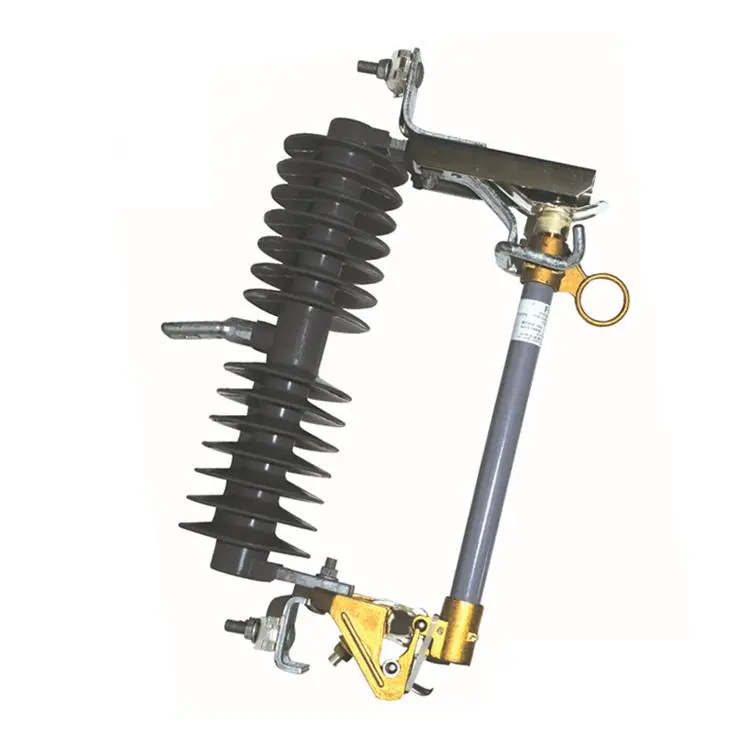
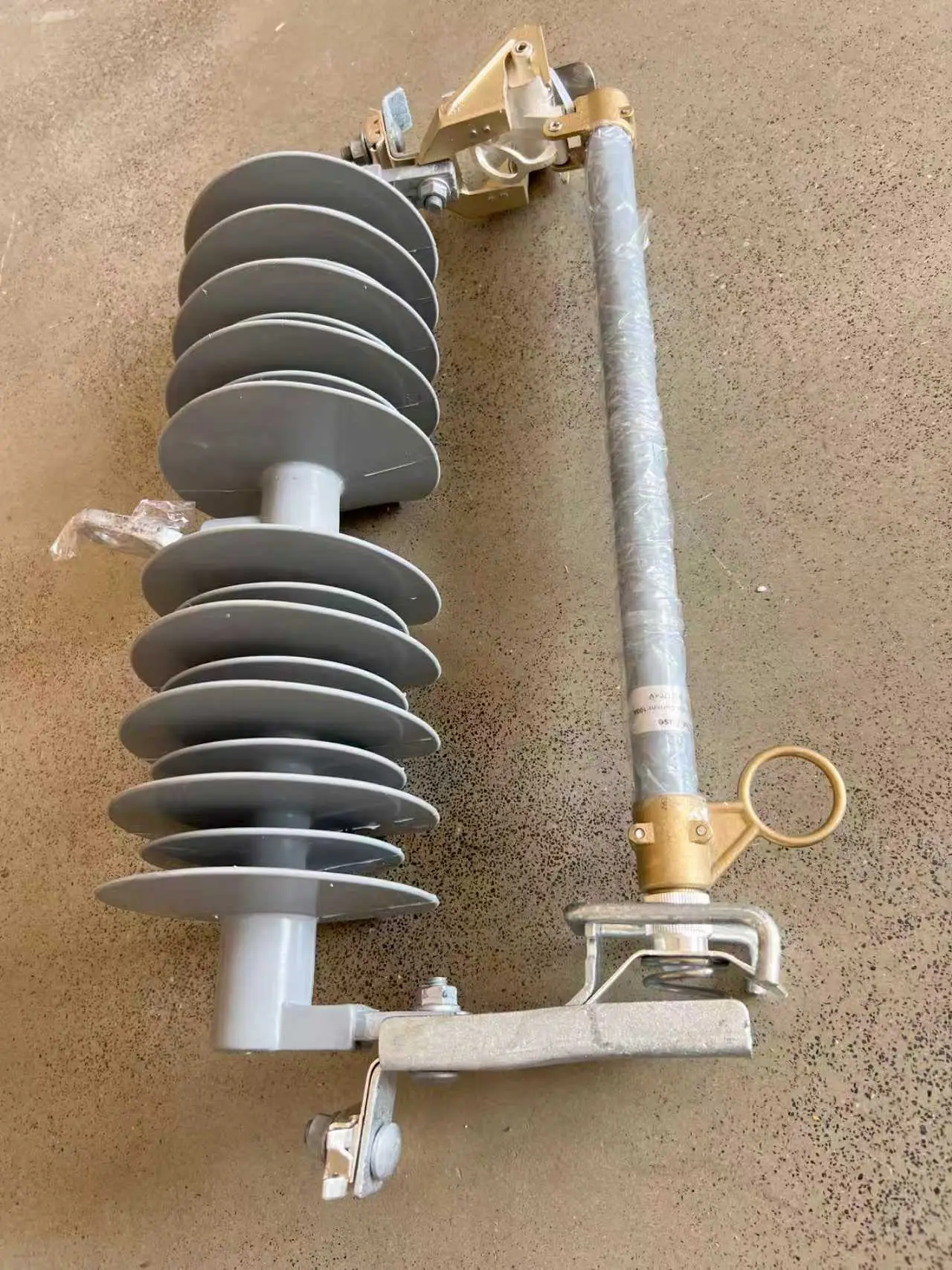
Drop-out fuses (also known as drop-out fuses) are used to protect the power grid. It mainly works by relying on the fuse inside. The core principle of drop-out fuses protecting the power grid lies in using the overcurrent melting characteristic of the fuse to trigger mechanical drop-out, thereby automatically cutting off and physically isolating the fault current.
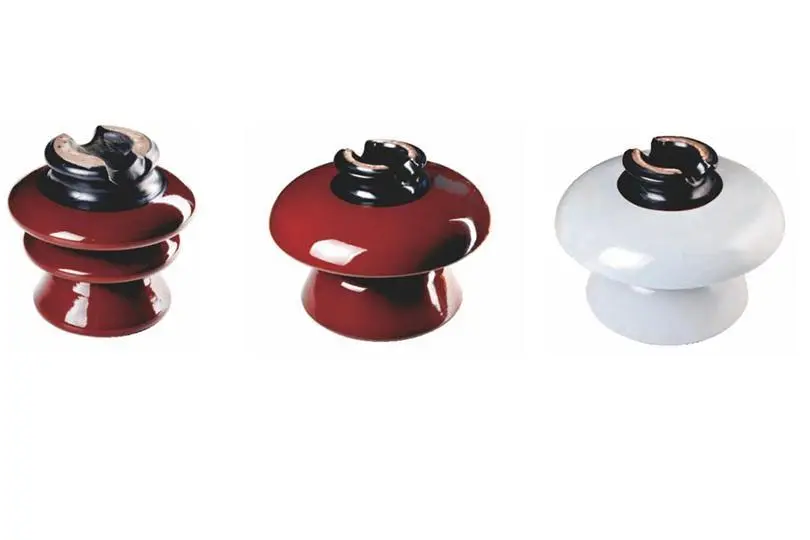
Its structure consists of insulators, static contacts, fuse tubes with internal fuses and gas-generating arc-extinguishing materials. When the power grid is operating normally, the current flows smoothly through the fuse, which tightens the entire device and keeps it in the connected state. When a short circuit or severe overload occurs in the protected line or equipment, the fault current caused by the short circuit or excessive current will heat up the fuse, and the fuse will burn out quickly. Once the fuse breaks, the trouble is not over yet, because if the current wants to continue flowing, an electric arc will be generated. At this point, the gas-producing material on the inner wall of the molten pipe decomposes under the high temperature of the arc, generating a large amount of high-pressure gas that is rapidly ejected from the pipe end, forming a strong longitudinal arc-blowing effect. This reliably extinguishes the arc and cuts off the fault current when the current crosses the zero point. The crucial action of the fuse blowing instantly releases the tension that originally tightened the fuse tube, causing the upward moving contact of the fuse tube to loosen. Under the effect of gravity and its hinged structure, the upper end of the molten pipe rotates downward and falls, hanging at the lower part of the support and becoming inclined downward.
This drop process is of vital importance: it first quickly cuts off the fault current, preventing equipment damage and the expansion of the accident; Secondly, the obvious air gap formed achieves reliable physical isolation of the fault point, ensuring maintenance safety and allowing other parts of the power grid to restore power supply. Meanwhile, the falling state itself is a direct fault indicator, telling people "This is broken" : the way the fuse pipe falls is very conspicuous and can be seen from a distance. The maintenance personnel could tell at a glance that the fuse in this area had broken. The fault occurred nearby, so they didn't have to spend a lot of time looking for the problem everywhere. They could fix it faster and shorten the power outage time. Therefore, through a series of ingenious interactions such as the fuse sensing overcurrent melting, gas generation arc extinguishing to cut off the current, and tension release triggering gravity drop, the drop insurance economically and effectively achieves overcurrent and short-circuit protection for power grid equipment (especially distribution network branches and transformers), and significantly reduces the scope of fault impact.
So, the drop safety is as follows: too much current → fuse burns out → gas blows out the arc → fuse tube falls off, power is cut off and the fault location is displayed. It has a simple structure, is inexpensive and reliable. It can quickly disconnect the fault current, prevent the burning out of valuable equipment such as transformers, and also minimize the power outage range.