
 Send Email
 Phone
Phone whatsapp
 Wechat
 Whatsapp

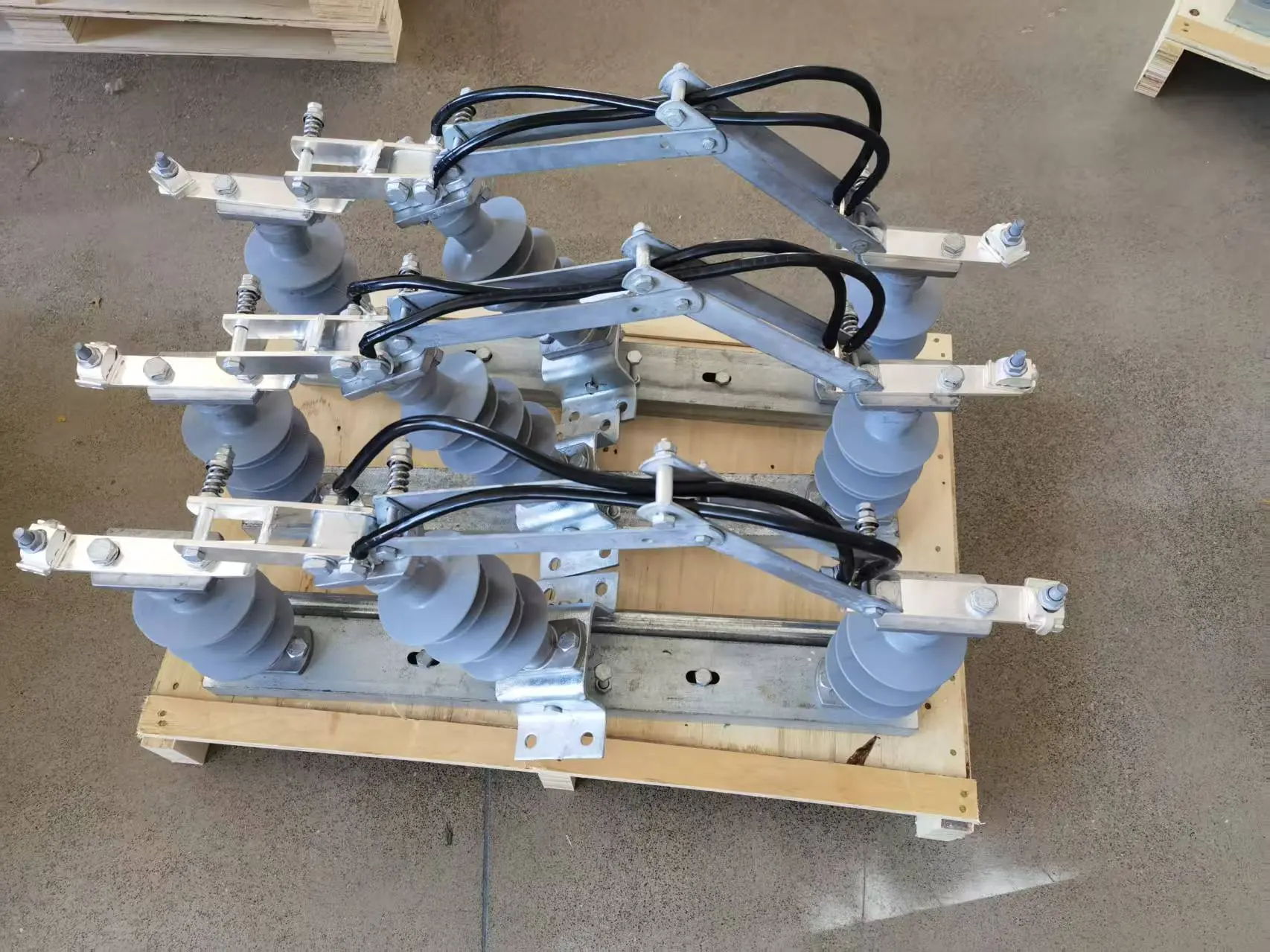
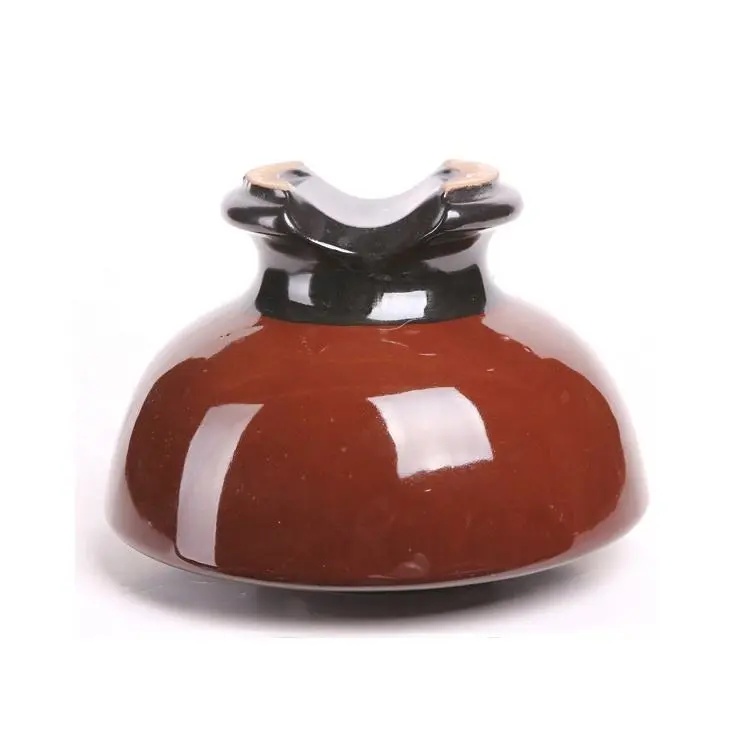
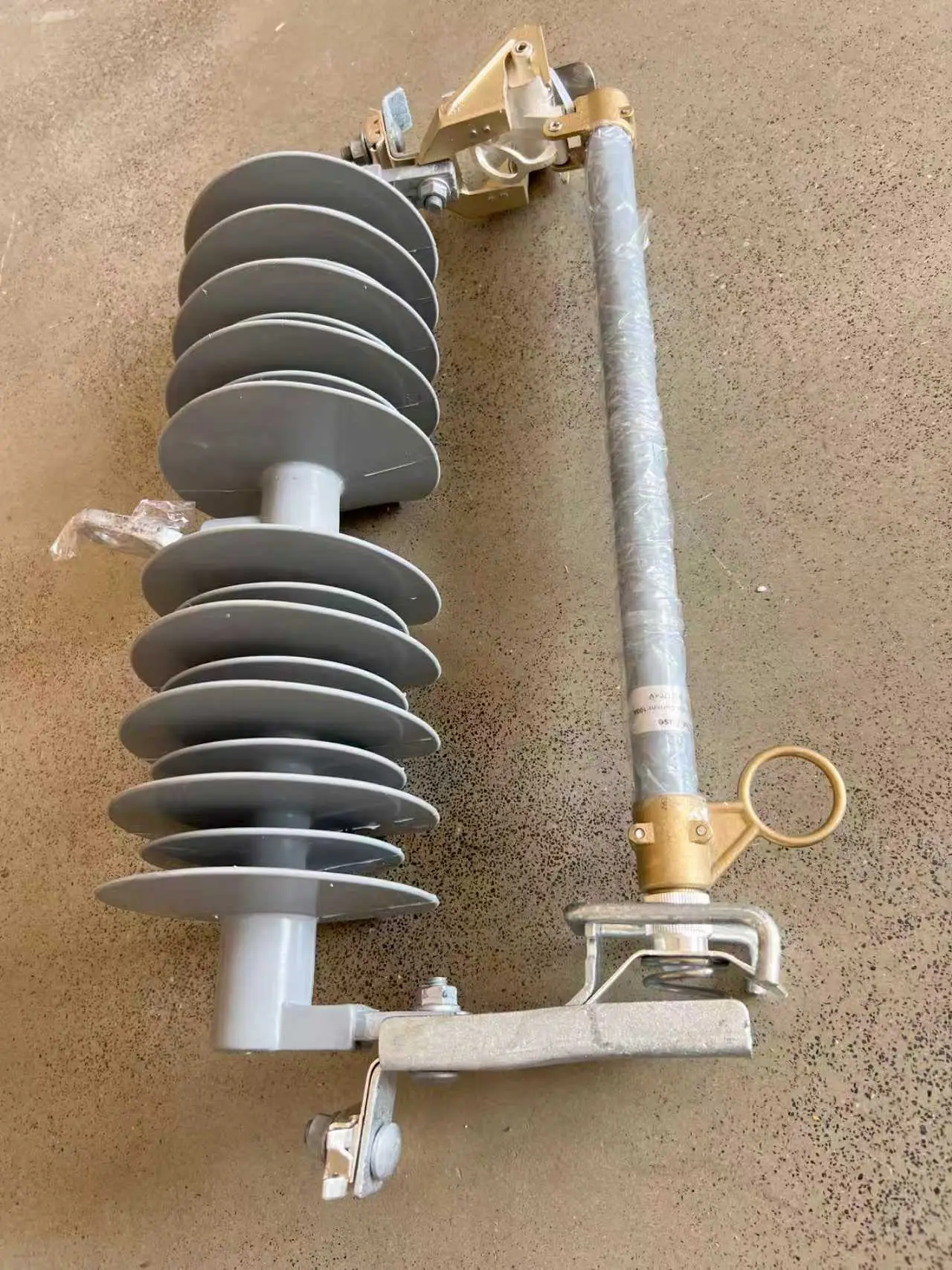
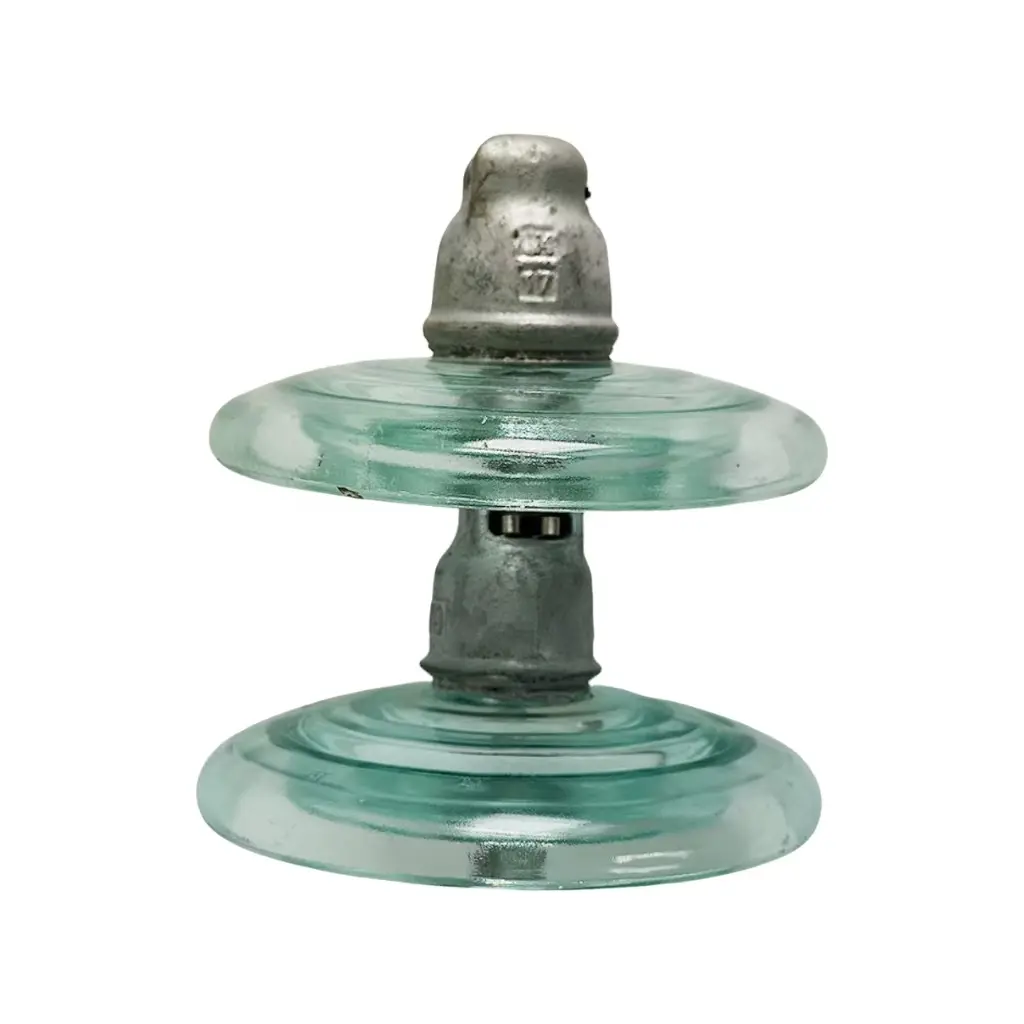
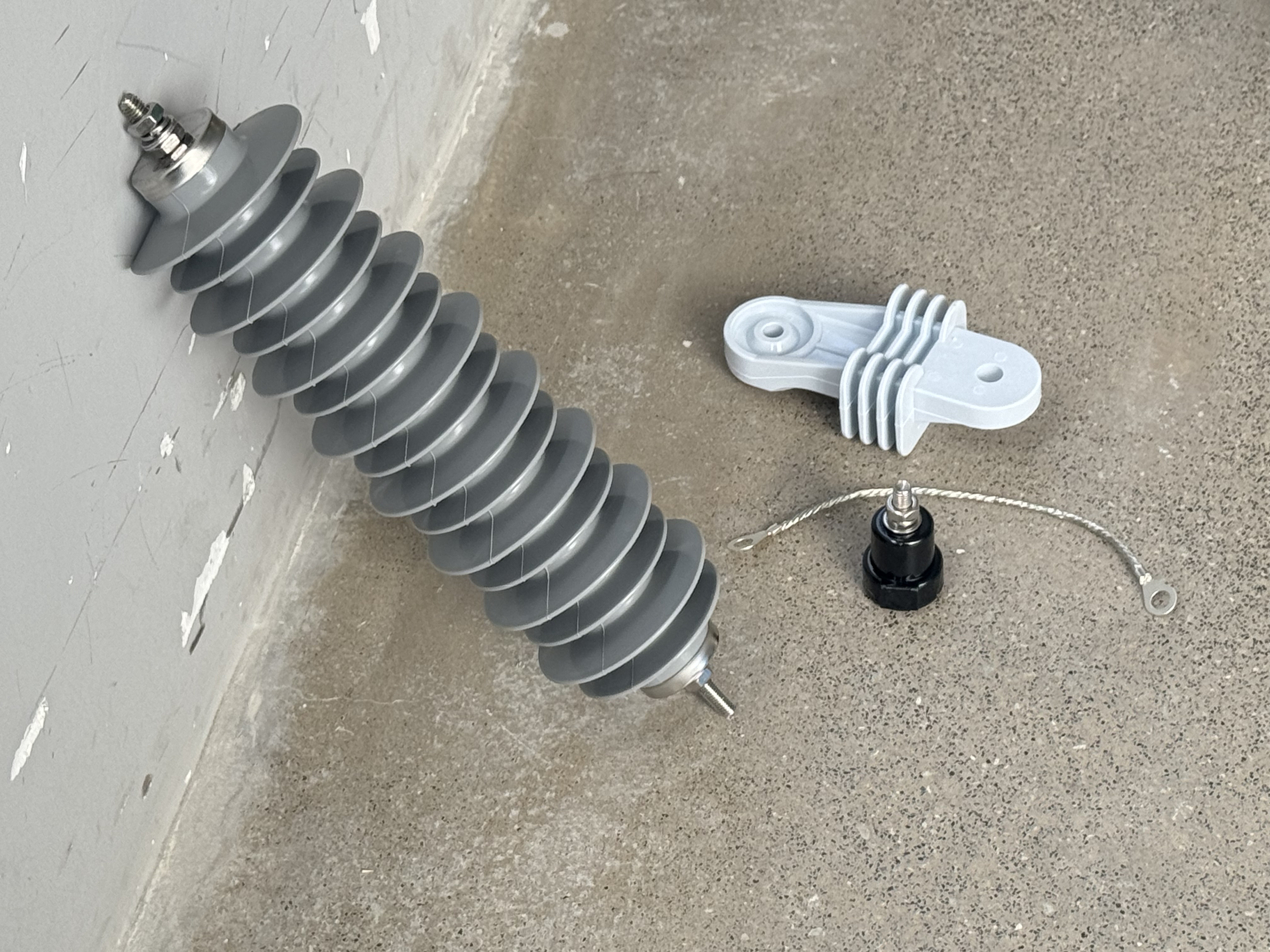
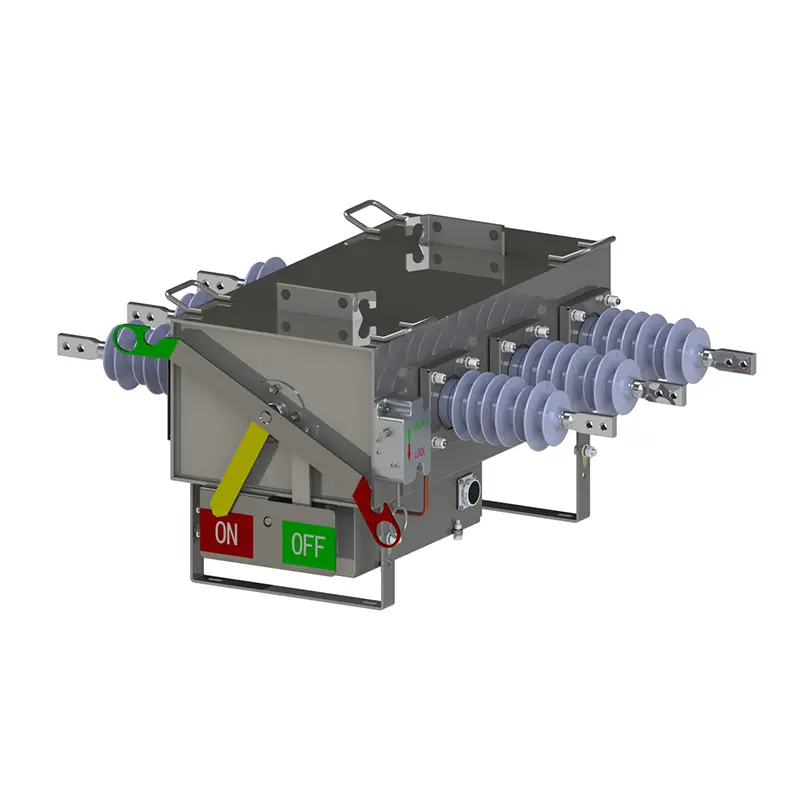
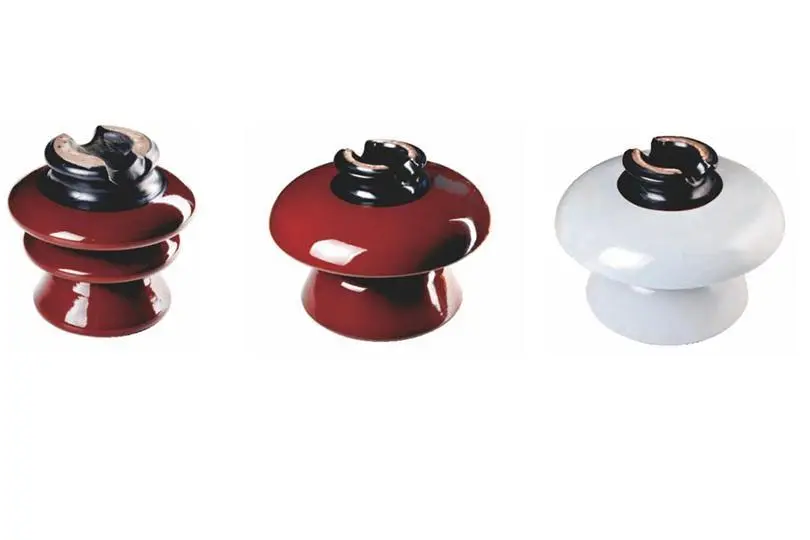
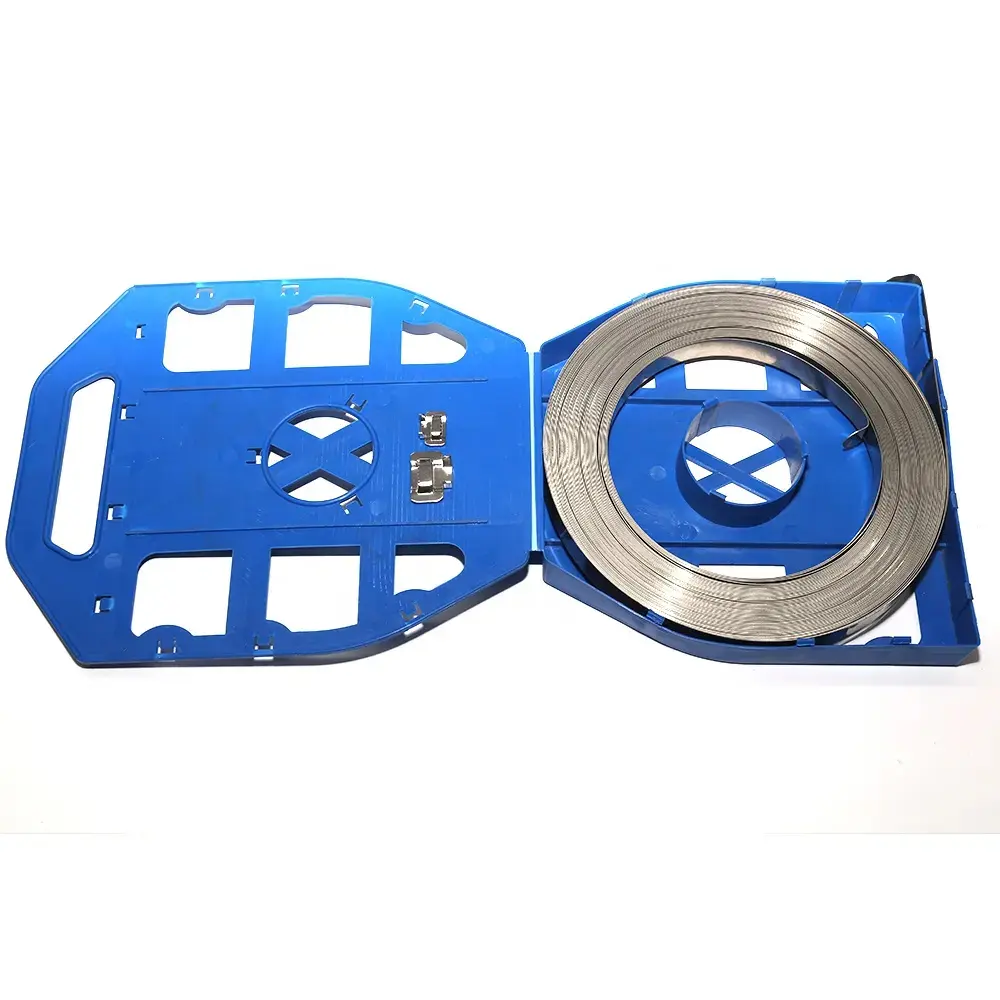
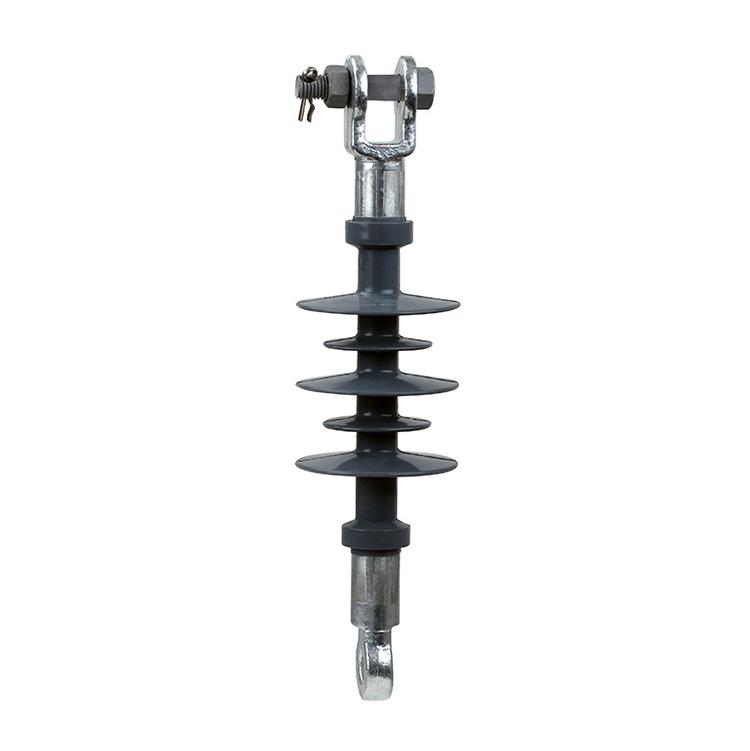
Choosing insulators made of silicone material is more conducive to the long-term operation of the power grid
Analysis of Long-Term Cost Savings of Silicone Rubber Disc Insulators:
Although traditional porcelain or glass disc insulators often have a lower initial purchase price, a comprehensive cost-benefit analysis shows that silicone rubber composite disc insulators can save more costs over the long term. The key lies in evaluating the entire lifespan of the insulator, which typically exceeds 50 years.
The main advantage of silicone rubber is its extraordinary durability and long service life. Silicone rubber has an extremely strong resistance to environmental erosion, and its resistance to ultraviolet radiation, extreme temperatures, pollution, and salt spray is far superior to that of fragile ceramics. This brings the following benefits:
1. Significantly reduced maintenance costs: The hydrophobic surface of silicone rubber actively repels water and contaminants, greatly reducing the accumulation of dirt. This greatly reduces or eliminates the need for costly, dangerous, and resource-intensive live-line cleaning of fragile porcelain and glass insulators.
2. Lower failure rate: Due to silicone rubber's stronger resistance to destructive behaviors such as impact damage, thermal shock, and inherent internal cracks in brittle materials, its failure rate during operation is significantly reduced. This avoids high costs associated with unplanned outages, emergency repairs, replacement parts, and labor costs.
3. Extended service life: While porcelain insulators may last 25 to 30 years, silicone rubber insulators typically operate reliably for over 50 years, effectively doubling the asset life and delaying the capital expenditure required for replacement.
4. Further operational advantages enhance savings:
(1) Lighter weight: Easier and faster installation, reducing labor costs and potentially saving on support structure costs.
(2) Superior performance in polluted environments: Excellent anti-pollution performance improves grid reliability in harsh environments, preventing costly flashovers and outages.
(3) Total cost of ownership calculation: Although the initial cost of each silicone rubber insulator may be 1.5 to 2 times that of traditional insulators, the almost non-existent maintenance, significantly reduced failure rate, and doubled service life will bring significant net savings over decades. Research and practical application experience show that the complete life cycle cost savings of silicone rubber insulators compared to traditional insulators can reach 30% to 40% or even higher, especially in harsh environments.
Therefore: Choosing silicone rubber disc insulators is a strategic high-return investment for the long-term reliability and cost-effectiveness of the power grid. Although the initial cost is significantly higher, it will soon be compensated for by extremely low maintenance requirements, greater reliability, reduced outage costs, and an exceptionally long service life. For power companies committed to optimizing life cycle expenditures and maximizing network uptime, silicone rubber composite insulators offer compelling and well-documented long-term savings.