How to Choose the Right Low Voltage Switchgears for Your Electrical System?
Choosing the right Low Voltage Switchgears for your electrical system is crucial. According to the International Electrotechnical Commission (IEC), nearly 30% of electrical failures stem from inadequate switchgear selection. In today's market, the importance of understanding specifications can't be overstated. Patrick Sullivan, a renowned expert at the Institute of Electrical and Electronics Engineers, emphasizes, "Selecting the right Low Voltage Switchgears can significantly enhance system reliability and efficiency."
Most people underestimate the complexity involved in switchgear selection. It's more than just fitting specifications. Factors like installation environment, expected load, and maintenance needs play critical roles. Improper choices can lead to inefficiencies and even safety hazards. In his report on switchgear reliability, Sullivan notes that poorly chosen equipment can decrease system lifespan by up to 25%. The consequences can be severe.
It's essential to approach this choice with careful consideration. Evaluating options based on performance, cost, and safety features is vital. However, many professionals overlook the lasting impacts of their decisions. An informed choice can lead to long-term savings and enhanced performance. Neglecting this responsibility could result in regrets down the line. Emphasizing due diligence in selecting Low Voltage Switchgears is not merely a suggestion; it's a necessity that shapes the future of electrical systems.
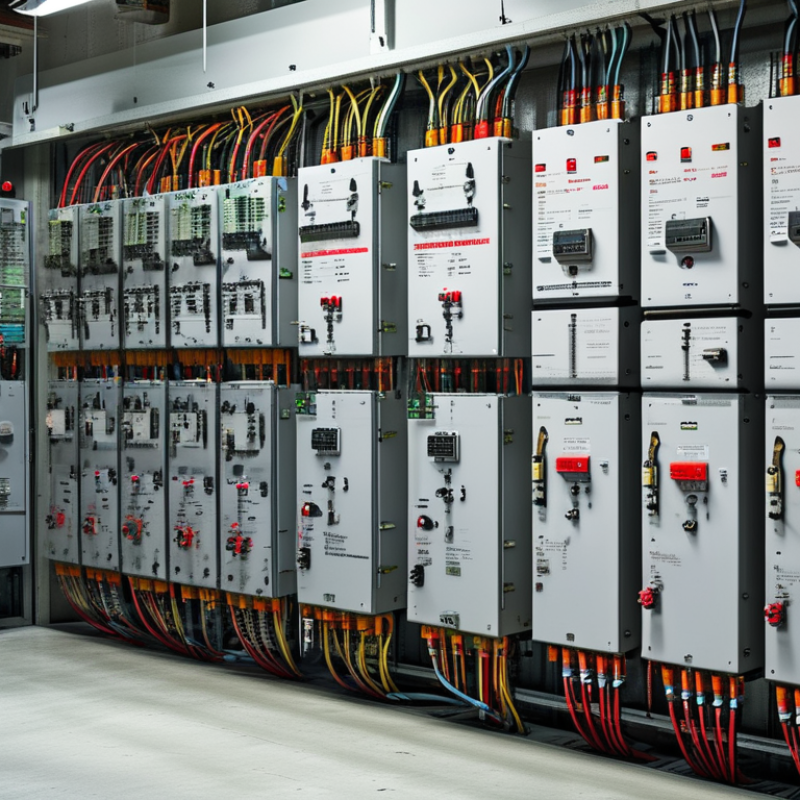
Understanding Low Voltage Switchgears and Their Importance in Electrical Systems
Low voltage switchgears play a crucial role in electrical systems. They control and distribute electric power, ensuring safety and reliability. Understanding their function can help you select the right components for your setup. These switchgears protect electrical circuits from overloads and faults, which is vital for preventing damage and maintaining system integrity.
Choosing the right low voltage switchgear can feel overwhelming. There are many factors to consider. Pay attention to the application and load requirements. Evaluate the protection ratings and operational features. Sometimes, complexity leads to mistakes. Ensure all specifications match your system's needs before making a decision.
**Tips:** Focus on the environment where the switchgear will be used. Indoor and outdoor units have different requirements. Consider future expansions or modifications in your planning. Think about durability and maintenance needs. Regular inspections are essential to avoid disruptions. A wise choice saves time and resources in the long run. Be mindful of the balance between cost and quality.
Key Factors to Consider When Selecting Low Voltage Switchgears
Choosing the right low voltage switchgear requires careful consideration of several key factors. One crucial aspect is the current rating. Ensure the switchgear can handle the maximum load. This requires accurate load calculations for your system. A mismatch can lead to overheating and failures.
Another essential factor is the environmental conditions where the switchgear will be installed. Will it face humidity or extreme temperatures? Understanding the local climate helps in selecting materials that resist corrosion and withstand heat.
Durability matters.
Corroded or damaged switchgear can cause significant safety hazards.
Finally, consider the ease of maintenance. Some switchgears offer easier access to components for routine checks. This can save time and costs in the long run.
Reflect on your team's expertise as well. Their proficiency with certain models can influence long-term maintenance success. Choose wisely.
Types of Low Voltage Switchgears and Their Applications
Low voltage switchgears play a crucial role in electrical systems. They are designed to manage and distribute electrical power safely and efficiently. Each type of switchgear serves different applications, impacting performance drastically.
There are several main types of low voltage switchgears, including air-insulated and metal-enclosed designs. Air-insulated switchgears are cost-effective and ideal for indoor settings. Their structure allows easy maintenance and is suitable for many small to medium installations. On the other hand, metal-enclosed switchgears offer enhanced safety. They protect components in industrial environments, ideal for high-traffic areas.
In addition, modular switchgears can adapt to changing needs. They allow for easy expansion, making them flexible. However, choosing the right type requires careful consideration of your specific application. Evaluating your system's unique requirements is essential. Failing to do so may lead to unnecessary costs or safety risks. Always consult with professionals for guidance tailored to your context.
Evaluating Technical Specifications and Standards for Switchgears
When it comes to selecting low voltage switchgears, understanding technical specifications and standards is crucial. According to industry studies, nearly 80% of system failures stem from improper switchgear selection. One key specification to evaluate is the short-circuit withstand rating, which indicates how much current the switchgear can handle during a fault. The IEC 62271-200 standard outlines the safety and performance of switchgear, indicating that compliance is non-negotiable for reliable operation.
Comparing features is essential. Consider the rated operational current, insulation type, and environmental conditions. A report from the International Electrotechnical Commission (IEC) states that incorrect current ratings can lead to overheating and failure. Ensure that the switchgear can handle your system's maximum demand.
Tips: Always verify if the switchgear adheres to the latest standards. This can help you avoid potential hazards. Regular maintenance checks can also identify issues before they become serious problems. Investing in quality switchgear may save costs in the long run, as it reduces operational risks. Remember, safety and reliability should always be your priorities.
Best Practices for Installation and Maintenance of Low Voltage Switchgears
When installing low voltage switchgears, several best practices stand out. First, ensure proper space allocation. Adequate space allows for efficient operation and maintenance. This space should be free of clutter and allow for easy access. Many systems fail due to insufficient room for airflow. This can lead to overheating, reducing lifespan and reliability.
Regular maintenance is crucial for optimal performance. Schedule inspections at least once a year. During these checks, examine connections and test system functionality. Identify any signs of wear or potential failures early. Sometimes, neglecting small issues can result in larger problems over time. For instance, a minor fault could lead to unexpected shutdowns.
Training personnel is another key aspect. All staff working with switchgears should understand basic operations and safety protocols. It's important for them to be aware of potential hazards. Knowledge gaps can lead to accidents or system failures. Encourage questions and discussions to foster a culture of safety and awareness. Each step taken towards quality installation and maintenance pays off significantly in performance and reliability.
Low Voltage Switchgears Performance Comparison




 Send Email
 Phone
 whatsapp
 Wechat
 Whatsapp
