Ultimate Guide to Lightning Surge Arrester for Global Buyers?
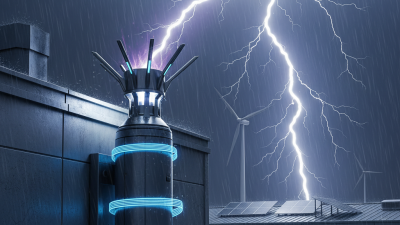
In today's world, the demand for reliable electrical safety solutions is paramount. A Lightning Surge Arrester is essential for protecting electrical systems from surge damage. These devices mitigate the risks posed by lightning strikes and transient voltage events, ensuring the longevity of electrical equipment.
Understanding the nuances of Lightning Surge Arresters can be overwhelming. Various types, features, and specifications exist, making informed decisions challenging for global buyers. Knowledge gaps and misinformation can lead to poor choices, resulting in costly replacements. We aim to bridge these gaps and provide valuable insights.
Investing in high-quality Lightning Surge Arresters brings peace of mind. A well-installed arrester can save significant repair costs. It's vital to prioritize reliability and trusted manufacturers. While the options are abundant, discerning which product suits specific needs remains a crucial endeavor worth reflecting on.

Understanding Lightning Surge Arresters: Types and Applications
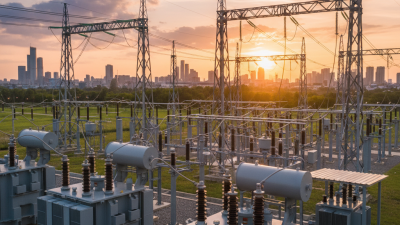
Lightning surge arresters are essential for protecting electrical systems from the destructive power of lightning. They come in various types, each suited for specific applications. For example, rod-based arresters are typically used for overhead power lines. They intercept lightning strikes and divert the energy safely to the ground. In contrast, valve-type arresters are often utilized for substations and electrical equipment.
Choosing the right type of lightning surge arrester requires careful consideration. Factors can include the voltage levels involved, the installation environment, and potential exposure to lightning. A non-renewable energy site might use different arresters than a residential area. Understanding these differences is crucial for effective protection.
Environmental conditions can also affect arresters' performance. In coastal areas, salt corrosion may shorten their lifespan. Regular inspections and maintenance are needed to ensure reliability. These details matter because failing to address them can lead to equipment damage or failure. It raises a question: are we doing enough to protect our assets? Each choice carries weight, influencing both safety and costs.
Key Specifications and Standards for Lightning Surge Arresters
When selecting lightning surge arresters, it's vital to understand key specifications and standards. These electrical devices protect systems from voltage spikes caused by lightning strikes or switching events. According to the IEEE Std 142-2007, surge protectors should be rated for specific current ratings, voltage, and energy absorption capabilities. Surge arresters must also comply with IEC 61643-1, which outlines performance requirements for low voltage applications.
It’s essential to consider the features of these arresters. Look for devices that have a high discharge capacity and fast response time. A report from the International Electrotechnical Commission suggests that devices with a response time under 1 nanosecond are most effective in mitigating surge events. Additionally, a well-documented maintenance history can enhance reliability. Regular testing helps in identifying potential issues before they lead to failure.
Evaluate the installation environment too. Surges can vary based on geographical location and climate conditions. High-risk areas need enhanced protections. Understanding local regulations and industry standards can guide appropriate choices. Integration with existing systems may be complex, and consultation with experts can provide clarity. Assessing each component's compatibility before installation can prevent future headaches.
Market Trends and Demand Forecast for Lightning Surge Arresters
The demand for lightning surge arresters is on the rise globally. This growth is primarily driven by increasing weather extremes and enhanced infrastructure projects. More industries are recognizing the importance of protecting equipment from electrical surges. In rural and urban areas alike, the need for reliable surge protection is critical. As power systems become more complex, the surge arrester market expands.
Market trends indicate a shift toward advanced materials and technologies. Industry experts observe a growing interest in eco-friendly solutions. Manufacturers are focusing on creating more efficient products that meet sustainability goals. However, challenges remain. Many consumers still lack awareness of the benefits that lightning surge arresters offer. Misunderstandings about installation and maintenance further complicate the market landscape.
Moreover, cost still weighs heavily on purchasing decisions. Customers may hesitate to invest in proper protection, viewing it as an extra expense. Education and outreach can bridge this gap—showing the long-term savings from preventing damage. Understanding the local climate risks can also guide informed choices. As the market evolves, it is essential for buyers to stay updated and make well-researched decisions.
Installation Guidelines and Best Practices for Optimal Protection
When installing a lightning surge arrester, following best practices is crucial for optimal protection. A well-placed arrester can prevent electrical surges from damaging sensitive equipment. According to a report by the Institute of Electrical and Electronics Engineers (IEEE), proper installation can reduce damage risk by up to 70%.
One key guideline is ensuring the arrester is located as close to the equipment as possible. This minimizes the length of conductive paths, which can increase risk during a surge. Furthermore, use quality grounding techniques, as improper grounding can render the arrester ineffective. Avoid using multiple grounding points that could create a potential difference, causing surges.
When selecting surge protectors, consider their voltage rating and energy absorption capabilities. Not all devices are equipped to handle high-energy spikes. Research has shown that units rated for higher energy absorption significantly reduce equipment failures.
Maintain signage to remind staff about the presence of surge arresters. Awareness can prevent accidental tampering. Regular inspections should also be scheduled to check for wear or damage. Conducting these inspections ensures peak performance and accountability throughout the facility.
Case Studies: Real-World Impact of Surge Arresters in Various Industries
Surge arresters play a crucial role in protecting sensitive equipment across various industries. In the manufacturing sector, for example, a factory experienced severe issues with electrical surges that damaged their machinery. Implementing surge arresters significantly reduced downtime. This strategic investment resulted in increased productivity and fewer costly repairs.
The telecommunications industry also showed remarkable improvements. A data center faced frequent disruptions due to lightning strikes. After installing surge arresters, they recorded a 70% decrease in outages. Customer satisfaction rose, demonstrating the arresters' value in maintaining service reliability.
However, not all installations are seamless. Some companies initially underestimated the need for surge protection. They faced challenges due to improper installation or insufficient specifications. This highlights the importance of thorough evaluations and expert consultations. Addressing these issues can enhance the effectiveness of surge protection systems and prevent future complications.



 Send Email
 Phone
 whatsapp
 Wechat
 Whatsapp
