
Project closure is a critical yet often overlooked aspect of project management. Efficiently closing a project can significantly impact overall success. One tool that can streamline this process is the Termination Kits. These kits provide essential resources and guidelines for project managers.
In our exploration of the top 10 termination kits, we focus on their importance. Effective termination kits offer checklists, templates, and best practices. They assist in documenting lessons learned and ensuring proper handover. This minimizes miscommunication and enhances the chances of future success.
However, selecting the right termination kit can be challenging. Some kits may lack comprehensive details or be overly complex. It's essential to evaluate them based on specific project needs. Proper assessment can help identify which termination kits provide real value in ensuring smooth project closures.

Effective project closure is essential for overall success. Termination kits play a vital role in this process. They provide essential tools and templates to finalize, reflect, and document a project's outcomes. A well-structured termination kit can simplify the closure phase, ensuring all loose ends are tied up.
When creating a termination kit, it's important to include various components. These might consist of a project closure checklist, a performance evaluation form, and a lessons learned document. Each element helps capture key insights and informs future projects. It’s common to overlook these aspects, leading to incomplete closures.
*Tip: Regularly review your termination kit. Adjust it based on the unique needs of each project. This will enhance its effectiveness.*
Learning from past projects is crucial. Encourage team members to share their experiences, both positive and negative. While it’s easy to celebrate successes, understanding failures can foster growth.
*Tip: Schedule reflection sessions after project closures. This practice will enhance team communication and project outcomes.*
Incorporating a termination kit into your project management process can greatly improve efficiency. Make sure all team members are familiar with its contents. This familiarity helps in navigating the closure phase seamlessly.
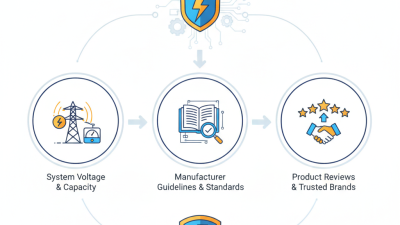
When selecting a termination kit for project closure, several key features must be prioritized. First, look for comprehensive documentation tools. Thorough documentation aids in knowledge transfer and reduces future learning curves. A study by the Project Management Institute (PMI) indicates that projects with well-documented closure processes improve stakeholder satisfaction by up to 25%.
Next, assess the usability of the kit. An intuitive interface ensures that all team members can engage effectively, regardless of their technical skills. User experience matters; a complicated tool might lead to errors or omissions during closure. According to industry surveys, 60% of project failures are tied to inadequate communication, which can be alleviated by user-friendly resources.
Consider data archiving features. Proper archiving of project data is essential for compliance and future reference. A report by McKinsey highlights that companies with structured data management systems save 30% in project delivery time. Effective termination kits simplify this process, yet many teams overlook this aspect, risking potential setbacks.
When it comes to project closure, having the right termination kit can make a significant difference. These kits streamline the process, ensuring efficiency and clarity. They typically include essential documents, templates, and checklists, aiding project managers in closing projects effectively.
One tip is to ensure proper documentation. This enables teams to reflect on project challenges and successes. Create a checklist of all necessary deliverables before project completion to avoid missing critical steps. Consider feedback from team members to identify any gaps in your process.
Additionally, maintaining open communication with stakeholders throughout the closure phase can prevent misunderstandings. It’s crucial to discuss outcomes honestly, fostering trust. Use surveys or informal discussions to gather opinions on project execution. This can reveal insights that help improve future projects, promoting continuous growth.
| Kit Name | Key Features | Included Components | User Rating | Price (USD) |
|---|---|---|---|---|
| Basic Termination Kit | Essential tools for closing small projects | Closure checklist, templates, and archive tools | 4.5 | 29.99 |
| Advanced Termination Toolkit | Includes advanced project management tools | Risk assessment forms, final report templates | 4.8 | 55.00 |
| Team Collaboration Kit | Focus on team feedback and collaboration | Feedback forms, post-mortem analysis tools | 4.6 | 39.99 |
| Financial Closure Kit | Specialized for financial reporting and closure | Budget reconciliation forms, audit checklists | 4.7 | 49.99 |
| Compliance Closure Kit | Ensures all legal and compliance checkboxes are ticked | Compliance verification templates, legal forms | 4.9 | 65.00 |
| Quality Assurance Kit | Focus on project quality assessments | Quality checklists, assessment tools | 4.4 | 44.99 |
| Environmental Compliance Kit | Tools to assess and report environmental impacts | Environmental impact forms, reporting templates | 4.6 | 50.00 |
| Communication Closure Kit | Emphasis on notifying stakeholders and communications | Communication plans, stakeholder update templates | 4.5 | 34.99 |
| Lessons Learned Kit | Focus on capturing lessons for future projects | Lessons learned templates, reflection tools | 4.7 | 39.99 |
Effective project finalization relies heavily on the use of termination kits. These kits streamline processes and reduce the chaos often associated with project closure. According to industry data, nearly 60% of projects fail to achieve their goals due to disorganized closure methods. A well-structured termination kit can mitigate these risks significantly.
Key components of termination kits include documentation templates, checklists, and communication plans. These elements ensure that all necessary information is captured. A recent study by the Project Management Institute highlighted that projects with clear closure procedures have a 25% higher likelihood of meeting their original objectives. However, teams often neglect the importance of revisiting lessons learned. Failure to do so can lead to repeating mistakes in future projects, thereby compounding inefficiencies.
Utilizing termination kits effectively requires a mindset shift. Teams must prioritize collaboration and transparency during the finalization process. Engaging stakeholders early can help gather insights and feedback for future improvements. Observations indicate that project leaders who encourage open dialogue see a 40% increase in team satisfaction during closures. Emphasis on this collaborative approach can reduce the tendency to overlook vital details, ultimately leading to more successful project completions.
Implementing termination kits effectively can be challenging. Many project managers fail to recognize common pitfalls. Research indicates that up to 70% of project closures encounter issues due to lack of planning. Effective termination kits ensure a smooth end, yet many overlook essential components.
One frequent mistake is inadequate documentation. About 60% of project teams neglect to compile comprehensive records. This omission leads to confusion and potential disputes later. Clear documentation is vital for knowledge transfer. It bridges gaps between teams, fostering continuity and understanding.
Another issue is insufficient stakeholder communication. Studies show that 65% of projects suffer from poor engagement at closure. Keeping stakeholders informed prevents feelings of exclusion. It is crucial to keep everyone in the loop. Regular updates can enhance trust and clarity. Recognizing these flaws can improve project closure outcomes. Acknowledging them is the first step toward sustainable improvements.