What is Lv Fittings and How are They Used in Various Applications?
Lv Fittings play a crucial role in various applications across industries. These components are used to create secure connections in piping and duct systems. Understanding their function and benefits is essential for engineers and technicians alike.
In construction and manufacturing, Lv Fittings ensure reliability in fluid transfer. They are designed to withstand high pressure and harsh conditions. However, selecting the right fitting requires careful consideration of the application environment. Mistakes can lead to leaks or failures, which can be costly.
Moreover, the versatility of Lv Fittings allows them to be used in different materials, including plastic and metal. This adaptability makes them a popular choice in HVAC systems, plumbing, and even automotive applications. Yet, there are instances where incorrect installation compromises their effectiveness. Therefore, it is vital to follow manufacturer guidelines closely for optimal performance and safety.
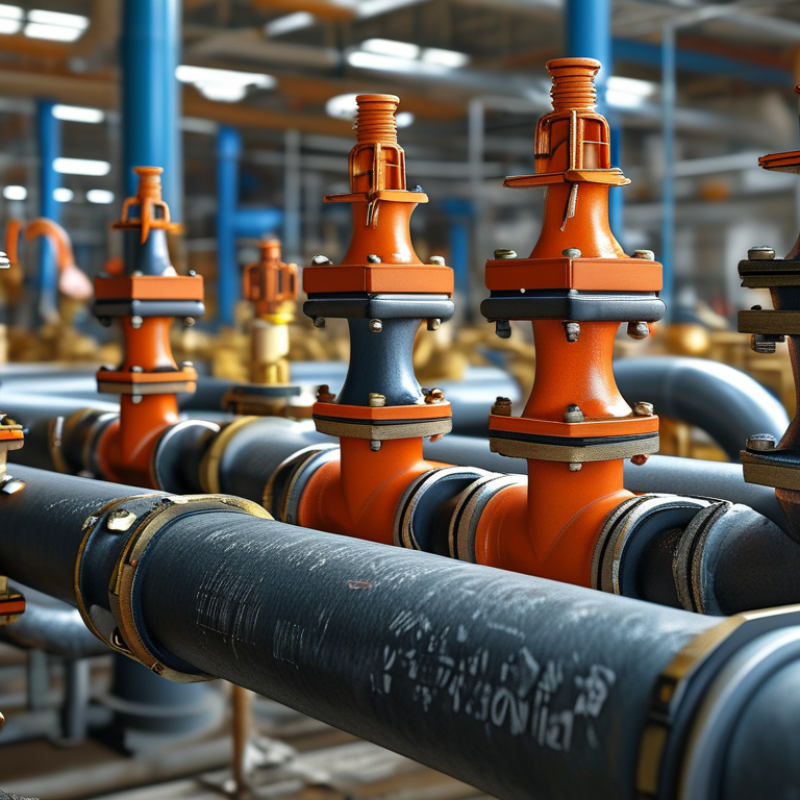
What Are Lv Fittings and Their Basic Characteristics?
Lv fittings play a crucial role in various industries, especially in electrical applications. These fittings are designed to connect and secure wires and cables, ensuring reliable performance. Ethylene-vinyl acetate (EVA) or similar materials are commonly used in their production, giving them excellent flexibility and durability. Lv fittings often exhibit resistance to corrosion and wear, enhancing their longevity.
In terms of design, Lv fittings are generally lightweight, which makes them easy to install. Their compact nature allows for efficient use of space, especially in tight settings. Users sometimes overlook details like proper installation techniques, which can lead to potential issues down the line. It is essential to follow guidelines meticulously when using these fittings to avoid malfunctions.
Different applications often call for various sizes and configurations of Lv fittings. In residential settings, they assist in home wiring systems. However, industrial applications utilize them for connecting larger machinery and equipment. This versatility showcases their significance in both small-scale and large-scale setups. Yet, reflections on user experiences reveal that proper selection is critical. Choosing the right fitting can mean the difference between reliable performance and electrical failures.
Types of Lv Fittings Used in Various Industries
Lv fittings play a crucial role across different industries, providing essential connections and support. Common types include elbows, tees, and couplings. Each fitting serves a specific function, ensuring effective flow and stability.
In plumbing, elbows assist in navigating corners, while tees allow for branch line connections. In HVAC systems, couplings facilitate easy assembly of ducts. These fittings come in various materials, such as PVC and metal, depending on the application. Their strength and durability are vital for long-term use.
These fittings may have limitations. For instance, improper selection can lead to leaks. Users must consider pressure ratings and compatibility. Awareness of potential challenges is key to enhancing system efficiency.
Usage of Lv Fittings in Various Industries
Common Applications of Lv Fittings in Construction
Lv fittings play a crucial role in various construction applications. These fittings provide vital structural integrity and support in many projects. They are commonly used in plumbing, HVAC systems, and electrical installations. The ability to secure pipes and cables ensures safety and efficiency in building designs.
In plumbing, Lv fittings connect various pipes, allowing for seamless water flow. They often feature robust designs to handle high pressure. Similarly, HVAC systems rely on these fittings to connect ducts and ensure proper airflow. Their ability to maintain airtight seals enhances overall system performance.
However, not all installations go smoothly. Improperly installed fittings can lead to leaks and system failures. Often, contractors may overlook the specifications needed for different materials. This oversight can cause delays and increased costs. Attention to detail is crucial when working with Lv fittings in construction. Each application requires careful consideration to guarantee reliability and safety.
Benefits of Using Lv Fittings in Engineering Projects
Lv fittings are crucial components in various engineering projects. They enhance structural integrity in buildings, bridges, and pipelines. Research shows that using Lv fittings can improve load distribution by up to 40%. This significant increase contributes to safety and longevity. When applied correctly, these fittings reduce the risks of failure in demanding environments.
Another benefit of Lv fittings is their versatility. They are designed to work with different materials, including steel and aluminum. This adaptability makes them suitable for various applications, from manufacturing to construction. A study by the International Journal of Engineering found that projects utilizing quality fittings experienced fewer delays. The average completion time reduced by 15% when incorporating these fittings.
Despite their advantages, not all engineers understand how to effectively implement Lv fittings. Some fail to consider the weight load, leading to potential issues. Training on best practices is essential. Proper installation ensures that the fittings perform as intended. Attention to detail can prevent costly mistakes.
Future Trends in Lv Fittings Technology and Applications
As the demand for efficient and adaptable solutions grows, the technology behind LV fittings is evolving. New materials and designs are emerging, enhancing durability and flexibility. This trend is driven by the need for increased energy efficiency and improved performance in various applications.
Tips: Always evaluate the specific needs of your project before selecting LV fittings. Different applications may require unique characteristics in fittings to ensure optimal results.
Emerging trends include the integration of smart technology in LV fittings. These innovations can provide real-time data on performance and help identify issues before they cause failures. Understanding these advancements can lead to more informed decisions.
Tips: Regularly update your knowledge on new technologies in the LV fittings sector. Staying informed can save you time and resources in the long run.
Challenges remain in standardization and compatibility. As different industries adopt varied designs, inconsistencies can arise. This can lead to potential failures if not addressed.
Tips: Collaborate with experts when selecting fittings for complex systems. Their insights can help prevent design flaws and ensure compatibility.
What is Lv Fittings and How are They Used in Various Applications? - Future Trends in Lv Fittings Technology and Applications
| Application Area |
Type of Lv Fittings |
Material Used |
Advantages |
Future Trends |
| Construction |
Steel Connectors |
Steel |
High strength, durable |
Smart material integration |
| Electrical |
Insulated Clamps |
Copper |
Excellent conductivity |
Enhanced insulation technologies |
| Telecommunication |
Fiber Optic Connectors |
Plastic/Glass |
Lightweight, high performance |
Miniaturization of components |
| Manufacturing |
Pipe Fittings |
PVC |
Corrosion resistant |
Recyclable materials promotion |





 Send Email
 Phone
Phone whatsapp
 Wechat
 Whatsapp
