Leave Your Message
Online Inuiry
53d365b3-6f89-4893-96a3-d70d895f9b81Wechat
27d442a5-5d9b-4e33-a816-996fe42856d8Whatsapp
6503fd048f54d46697

Top Fuse Cutout Manufacturers in China for Global Buyers

Choosing reliable Fuse Cutouts in China requires more than comparing unit prices. Global buyers must examine design quality, factory discipline, testing records, and after-sales support. A cutout may look simple, yet its porcelain body, fuse-holder contact, hinge, and arc-quenching parts decide how safely it performs outdoors.

John D. McDonald, an IEEE Fellow and recognized power systems specialist, once noted, “Protection works only when it is correctly applied, installed, and maintained.” This principle matters when evaluating Chinese manufacturers. A responsible supplier should explain voltage ratings, breaking capacity, creepage distance, material selection, and applicable IEC requirements. Buyers should also request routine test reports, type-test evidence, sample photographs, and traceable production information.

The strongest manufacturers usually provide more than a catalogue. They show real testing equipment, controlled assembly lines, weathering checks, and inspection points for every batch. Look closely at contact pressure and hardware finish. Small defects can become serious failures after years of heat, rain, dust, and switching stress.

Still, no supplier is perfect. Some websites present impressive certifications but provide limited technical detail. That deserves questions, not immediate rejection. Factory audits, independent testing, and sample evaluation reduce uncertainty. Shipping damage and inconsistent documentation can also create avoidable delays.

This guide compares leading Chinese Fuse Cutouts manufacturers for international buyers. It considers product range, customization, quality control, export experience, communication, and practical reliability. The goal is not to praise every supplier. It is to help readers make a careful decision based on evidence, field conditions, and long-term service expectations.
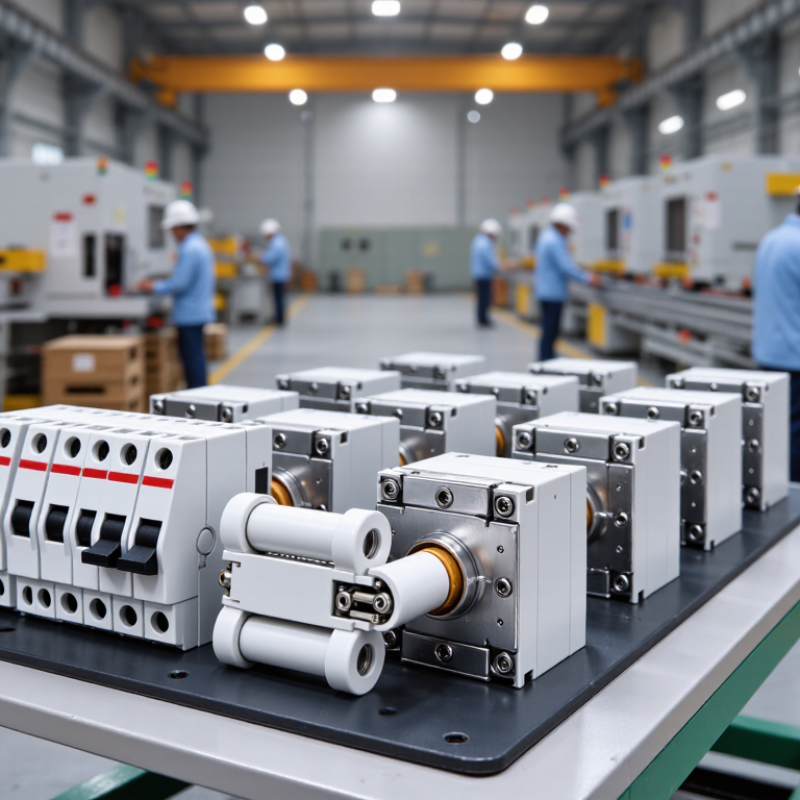
Top Fuse Cutout Manufacturers in China for Global Buyers

What Is a Fuse Cutout and Why China Is a Major Manufacturing Hub

A fuse cutout is a pole-mounted protective device for medium-voltage distribution lines. It combines a fuse link with a hinged carrier and insulating body. During a fault, the fuse melts and interrupts excessive current. The carrier then drops open, creating a visible isolation point for maintenance crews. Unlike a circuit breaker, it usually does not reset automatically. That simplicity remains valuable in rural feeders, transformers, and overhead networks.

China is a major manufacturing hub because its electrical supply chain is highly concentrated. Ceramic insulators, fiberglass components, copper contacts, zinc hardware, and testing equipment are available within short production distances. Experienced factories can offer customized voltage ratings, creepage distances, mounting designs, and fuse-link options. For global buyers comparing top fuse cutout manufacturers in China, production capability matters more than catalog size. Reliable suppliers should provide routine test records, material traceability, salt-spray results, and clear drawings. Field inspections often reveal small weaknesses, such as rough contact surfaces or loose hardware. These details may affect service life.

Tips: Ask for samples before bulk orders. Check current ratings, breaking capacity, insulation levels, and weather resistance. Request independent test evidence when project risks are high. Do not choose only by price. A cheaper enclosure may crack under sunlight, while a poorly plated contact can heat during normal load. Even strong manufacturers can miss details, so factory audits and third-party inspections remain worthwhile.

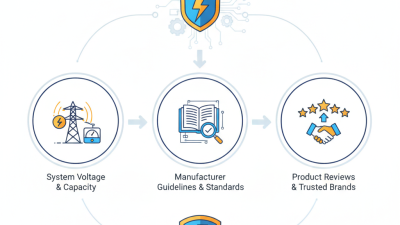
Key Criteria for Choosing a Reliable Chinese Fuse Cutout Manufacturer

Choosing a reliable Chinese fuse cutout manufacturer requires more than comparing unit prices. Start with product fit. Confirm voltage class, continuous current, interrupting capacity, insulation level, and mounting dimensions. These details must match the network, not just the purchase order.

Ask for recent type-test reports and routine-test records. Check whether testing follows the standards required in the destination market. Review contact materials, fuse tube construction, polymer or porcelain insulation, and corrosion protection. A good manufacturer can explain why each material was selected. Factory experience matters. Request evidence from similar installations, including climate, altitude, and service duration. Photos help, but traceable project records are stronger.

Audit production controls before signing a contract. Inspect incoming material checks, assembly stations, torque control, sealing, and final inspection. Serial numbers should connect each unit to test data. Confirm spare-part support, packaging for humid sea transport, and realistic lead times. Clear drawings prevent costly misunderstandings.

Do not rely on polished brochures alone. Visit the factory, or use an independent inspection service. No audit is perfect. A supplier may pass a sample inspection while still having weak process discipline. That risk deserves discussion. Ask how nonconforming units are isolated and corrected. Also examine communication during technical changes. A reliable partner reports problems early, even when the news is inconvenient. Small warning signs matter. Price should remain important, but predictable quality, documentation, and responsive support usually protect the total project cost better.

Leading Types of Fuse Cutout Manufacturers in China

China’s fuse cutout manufacturing base serves distribution networks, renewable projects, and industrial substations. Global buyers should evaluate manufacturer types, not only quoted prices. The IEA’s Electricity 2024 report projects global electricity demand growth of about 3.5% annually through 2026. That growth increases demand for dependable medium-voltage protection.

Porcelain fuse cutout manufacturers remain common for traditional overhead lines. Their products tolerate ultraviolet exposure and offer familiar field maintenance. Polymer-insulated manufacturers focus on lighter products, better contamination performance, and easier installation. Expulsion fuse cutout specialists usually supply cost-effective protection for distribution transformers and feeder lines. Current-limiting fuse manufacturers target installations requiring faster fault interruption and reduced equipment stress. Each type has different testing requirements.

Look beyond catalogs. A credible supplier should provide routine-test records, type-test evidence, material traceability, and ratings aligned with IEC 60282-2 or applicable local standards. The IEA’s Electricity Grids and Secure Energy Transitions report estimates that annual grid investment must exceed 600 billion dollars by 2030 to meet global needs. That pressure may encourage rushed sourcing. It should not replace engineering review. Ask for salt-fog results, mechanical endurance data, creepage distances, and verified short-circuit ratings. Factory audits add useful evidence, although they cannot replace independent testing. One practical weakness remains: some manufacturers present impressive laboratory data but limited outdoor operating history. Buyers should request installation references from similar climates and network voltages.

Top Fuse Cutout Manufacturers in China for Global Buyers

Common medium-voltage rating classes for dropout, loadbreak, polymeric-insulated, and porcelain-insulated fuse cutouts

Chinese fuse-cutout suppliers commonly configure products for 10 kV, 20 kV, and 35 kV distribution systems, corresponding broadly to 12 kV, 24 kV, and 40.5 kV maximum equipment-voltage classes. Actual current ratings, interrupting capacity, insulation level, and operating mechanism vary by product design and should be confirmed against the manufacturer’s datasheet. Reference framework: GB/T 11022 and IEC medium-voltage equipment voltage-class conventions.

Quality Standards, Certifications, and Export Capabilities to Check

For global buyers, a Chinese fuse cutout manufacturer should prove more than low pricing. The IEA’s Electricity Grids and Secure Energy Transitions report estimates that annual grid investment must reach nearly USD 600 billion by 2030. Reliable distribution hardware is becoming more important, not less. Buyers should request test reports against IEC 60282-2, IEEE C37.41, or the project’s required national standard. These documents should state rated voltage, interrupting capacity, temperature rise, and short-circuit performance.

Certifications deserve careful checking. ISO 9001 supports controlled production, but it does not certify every fuse cutout. The ISO Survey 2022 recorded more than 1.2 million ISO 9001 certificates worldwide, showing its broad use, but also its limited purchasing value alone. Ask for the certificate scope, issuing body, expiry date, and factory address. Independent type-test reports are stronger evidence. Small details matter. A factory should also explain porcelain or polymer insulation tests, contact alignment, zinc-plated hardware, and routine inspection records.

Export capability appears in the paperwork and the packaging. Request sample commercial invoices, packing lists, origin documents, and evidence of previous shipments to similar voltage markets. Products should carry clear ratings, batch numbers, wiring instructions, and traceable test records. Check whether the manufacturer can provide local-language manuals and replacement parts. My practical concern is simple: some suppliers present excellent certificates but weak after-sales discipline. A video audit, sealed sample inspection, and witnessed factory test can expose that gap. No checklist is perfect; field conditions still challenge laboratory results.

How Global Buyers Can Compare Suppliers and Place Secure Orders

Global buyers comparing top fuse cutout manufacturers in China should look beyond catalog photos. Ask for factory registration, product standards, test reports, and recent inspection records. A serious supplier can explain voltage ratings, interrupting capacity, creepage distance, and material choices in plain language. Request samples from the same production line used for bulk orders. Check porcelain or polymer housings for cracks, uneven glazing, loose hardware, and poor labeling. Measure dimensions against the approved drawing. Small mismatches can delay installation. They can also reveal weak process control. Video calls help, but they do not replace independent inspection. This is where many buyers become too optimistic.

Compare suppliers with one written specification sheet. Include rated voltage, current, fuse-link compatibility, terminal material, packaging, tolerances, and delivery terms. Ask how nonconforming units are isolated and recorded. Review payment details carefully. Use a company account matching the legal supplier name, and confirm bank changes through a second verified channel. A staged payment plan can reduce exposure, especially for first orders. Consider a pre-shipment inspection with photos, serial records, carton counts, and electrical test results. Clarify whether the inspection covers every unit or a sample. Do not accept vague promises. Secure orders also require clear documents: quotation, pro forma invoice, drawings, test certificates, packing list, and agreed remedies for defects. I would still keep a small contingency budget. Production schedules sometimes slip, even with capable factories. Reliability is demonstrated over repeated shipments, not one polished sample.

Top Fuse Cutout Manufacturers in China for Global Buyers - How Global Buyers Can Compare Suppliers and Place Secure Orders

Comparison Dimension What to Check Evidence to Request Buyer Action
Voltage and current ratings Confirm the cutout’s rated maximum voltage, continuous current, frequency, and insulation levels match the distribution system. Common product families include 15 kV, 27 kV, and 38 kV classes, with 100 A or 200 A continuous-current options; actual ratings vary by design. Datasheet showing complete ratings, including power-frequency withstand and lightning-impulse withstand values. Compare the full rating set against the project specification, not just the nominal voltage or product category.
Interrupting capability Check the rated interrupting current and the specified test conditions. Interrupting capacity is design-specific and should not be inferred from voltage or current rating alone. Published rating and type-test report identifying the tested model or design family and applicable test standard. Confirm the rating is suitable for the available fault current at the installation point.
Applicable standards Identify which standards the offered design is tested or specified against. Relevant references can include IEEE C37.41 for design tests, IEEE C37.42 for specifications, and IEC 60282-2 for expulsion fuses. Standard numbers and editions, test-laboratory details, and complete reports rather than a general statement of compliance. Check that the standard and edition match the contract, utility requirements, and destination market.
Construction and materials Review the insulator material, mounting hardware, contacts, fuse-holder construction, and corrosion protection. Material choice and finish should suit the operating environment. Bill of materials or technical description, material certificates where relevant, and product drawings. Specify environmental conditions such as coastal exposure, pollution level, temperature range, and altitude.
Interchangeability and dimensions Check mounting dimensions, terminal arrangement, fuse-link compatibility, and required accessories. Products with similar ratings may not be mechanically interchangeable. Dimensioned drawings, interface details, compatible fuse-link information, and accessory list. Obtain engineering approval for drawings before production, especially for replacement or retrofit projects.
Quality control and traceability Assess incoming-material checks, in-process inspection, routine testing, final inspection, and lot identification. Quality-management documentation, inspection and test plan, sample routine-test records, and traceability format. Agree on inspection points, acceptance criteria, record retention, and any pre-shipment inspection before placing the order.
Production capacity and lead time Verify current capacity for the specified design, order quantity, and accessories. Lead time depends on configuration, materials, and production scheduling. Written production schedule, capacity confirmation, and milestone dates for sample approval, production, and dispatch. Use a dated delivery schedule in the purchase contract and define how delays will be communicated.
Export packaging and logistics Confirm protection against impact, moisture, corrosion, and handling damage, as well as packing suitable for the shipping route. Packing specification, package dimensions and weights, and pre-shipment packing photographs. Agree on Incoterms, shipping documents, cargo insurance responsibility, and any required export markings.
Commercial and payment security Check that the contracting party, invoice details, beneficiary account, and company documents are consistent and verifiable. Signed quotation and sales contract, verified banking details, and a pro forma invoice matching the agreed specifications. Verify any bank-detail change through an independent contact channel. Tie payment milestones to documented order and inspection stages.
Warranty and after-sales support Clarify warranty duration, coverage, exclusions, spare-parts availability, and the process for handling defects. Written warranty terms, claims procedure, and contact details for technical support. Include the warranty start date, remedy options, and response expectations in the purchase agreement.
Order release checklist Ensure the final specification, approved drawings, quantity, accessories, delivery terms, inspection requirements, and payment terms are aligned. Approved purchase order, signed technical documents, inspection plan, and confirmed shipping schedule. Release production only after all technical and commercial documents have been reviewed and approved.